Boureima Amadou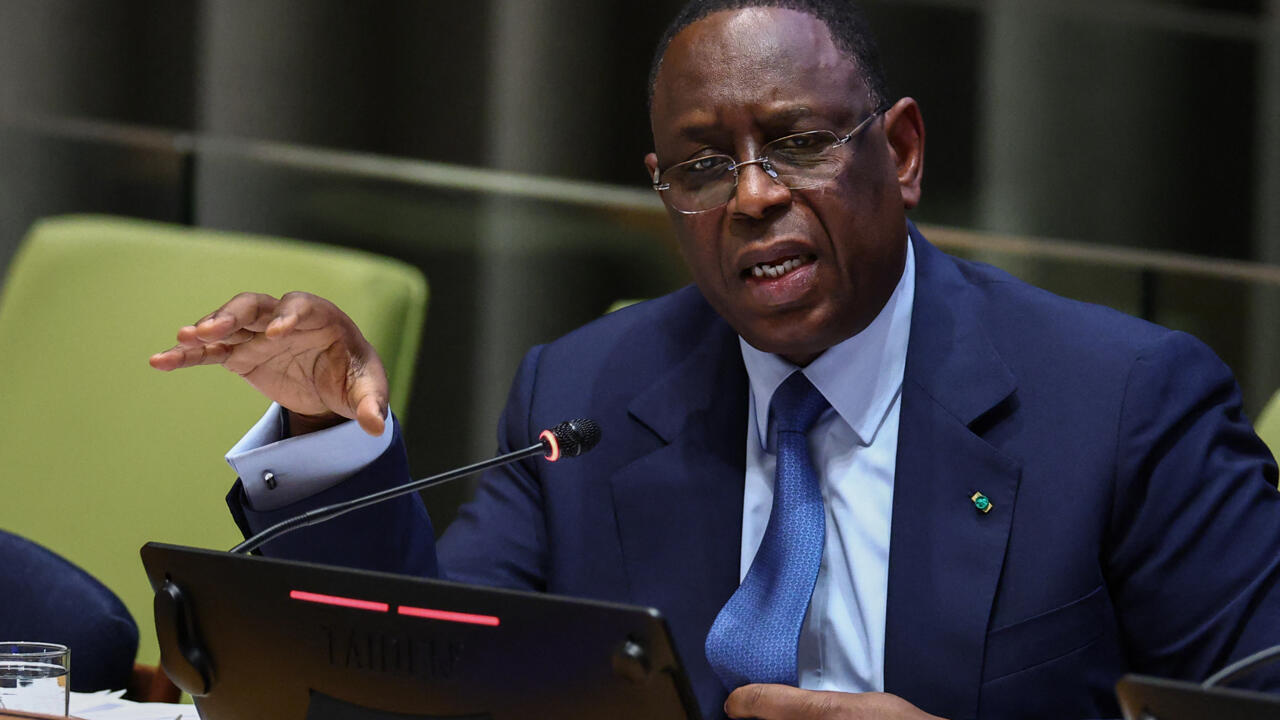
The diplomatic landscape in Dakar witnessed a remarkable shift this week when Senegal officially endorsed the candidacy of former President Macky Sall for the position of United Nations Secretary-General. Just three days after hosting Sall at the presidential palace, President Bassirou Diomaye Faye announced on July 20 the nation’s full backing for his predecessor’s campaign, mobilizing the entire diplomatic machinery to present it as a national priority.
This strategic reversal marks a significant turning point in Senegal’s foreign policy, particularly following the reservations expressed earlier in March. The backing also enhances Sall’s bid by securing the endorsement of the very state he governed for twelve years. But what factors drove this decision? Could it further strain the already tense relationship between Faye and his former Prime Minister, Ousmane Sonko?
From opposition to full backing: the evolution of Senegal’s stance
The shift in Senegal’s position is all the more striking given the initial reluctance expressed in March, as well as its past opposition within the African Union. At the time, Senegal had not openly supported Sall’s candidacy, reflecting a complex political dynamic that has since evolved. The full diplomatic and institutional mobilization orchestrated by Faye signals a clear commitment to positioning Sall as a unifying figure for the country.
By aligning behind Sall, Faye is not only elevating Senegal’s diplomatic profile but also reinforcing the legitimacy of Sall’s international ambitions. This move could be interpreted as an attempt to consolidate national unity, especially in light of the political divisions that have marked recent years.
Diplomatic calculus and internal tensions
The endorsement comes at a delicate moment in Senegal’s political landscape. While the decision may strengthen Sall’s candidacy on the global stage, it risks deepening the rift between Faye and Sonko, his former Prime Minister and a prominent political figure. Sonko, who has been a vocal critic of Sall’s legacy, may see this endorsement as a direct challenge to his own political ambitions.
Analysts suggest that Faye’s move could be a calculated effort to distance himself from the contentious legacy of his predecessor while positioning himself as a statesman capable of unifying the nation. However, the timing and manner of this endorsement raise questions about its long-term impact on Senegal’s domestic politics.
What’s next for Senegal’s diplomatic strategy?
The full mobilization of Senegal’s diplomatic apparatus underscores the high stakes involved in Sall’s candidacy. With the backing of the state, Sall can now present himself as the official candidate of Senegal, a move that significantly bolsters his international standing. The question remains whether this diplomatic victory will translate into broader political consolidation at home or further exacerbate internal divisions.
As the world watches, the next steps in this unfolding narrative will reveal much about the future of Senegal’s diplomacy—and its political cohesion.

 Mariama Hamani