Boureima Amadou
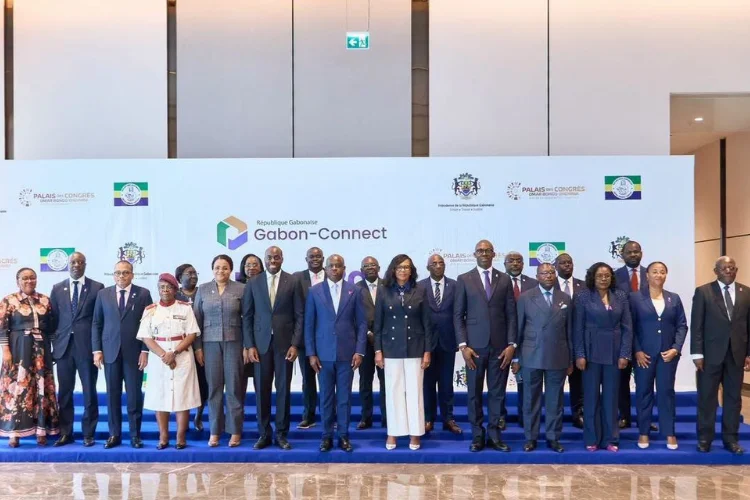
The Gabonese capital is at a crossroads. In a bold move, the country is turning to China to overhaul its public administration, redefining the future of governance in Central Africa. This strategic shift marks a decisive turning point — one that could reshape how the nation operates and competes on the global stage.
From oil dependence to institutional strength: Gabon’s bold pivot
Gabon is no stranger to cooperation with China, a partnership long centered on infrastructure projects like roads, dams, and public facilities. But now, the scope is expanding. The Gabonese government is seeking more than just investment — it wants institutional transformation. By embracing China’s administrative model, Libreville aims to reduce red tape, boost efficiency, and lay the groundwork for a new era of economic diversification beyond oil.
This shift isn’t just about streamlining procedures. It’s about building a performance culture within the civil service, a core pillar of the new collaboration. The goal? A government that works smarter, faster, and more transparently — a critical factor in attracting foreign investors and securing long-term stability.
Three pillars of change: Digitalization, performance, human capital
The Gabonese administration’s roadmap is built on three key areas of reform:
- End-to-end digital transformation of public services: Eliminating paperwork, speeding up approvals, and improving citizen access through integrated digital platforms.
- Operational performance culture: Introducing metrics, accountability systems, and continuous improvement frameworks inspired by China’s state-led efficiency models.
- Human capital development: Training and exchange programs for senior civil servants, designed to instill modern governance skills and leadership practices aligned with national priorities.
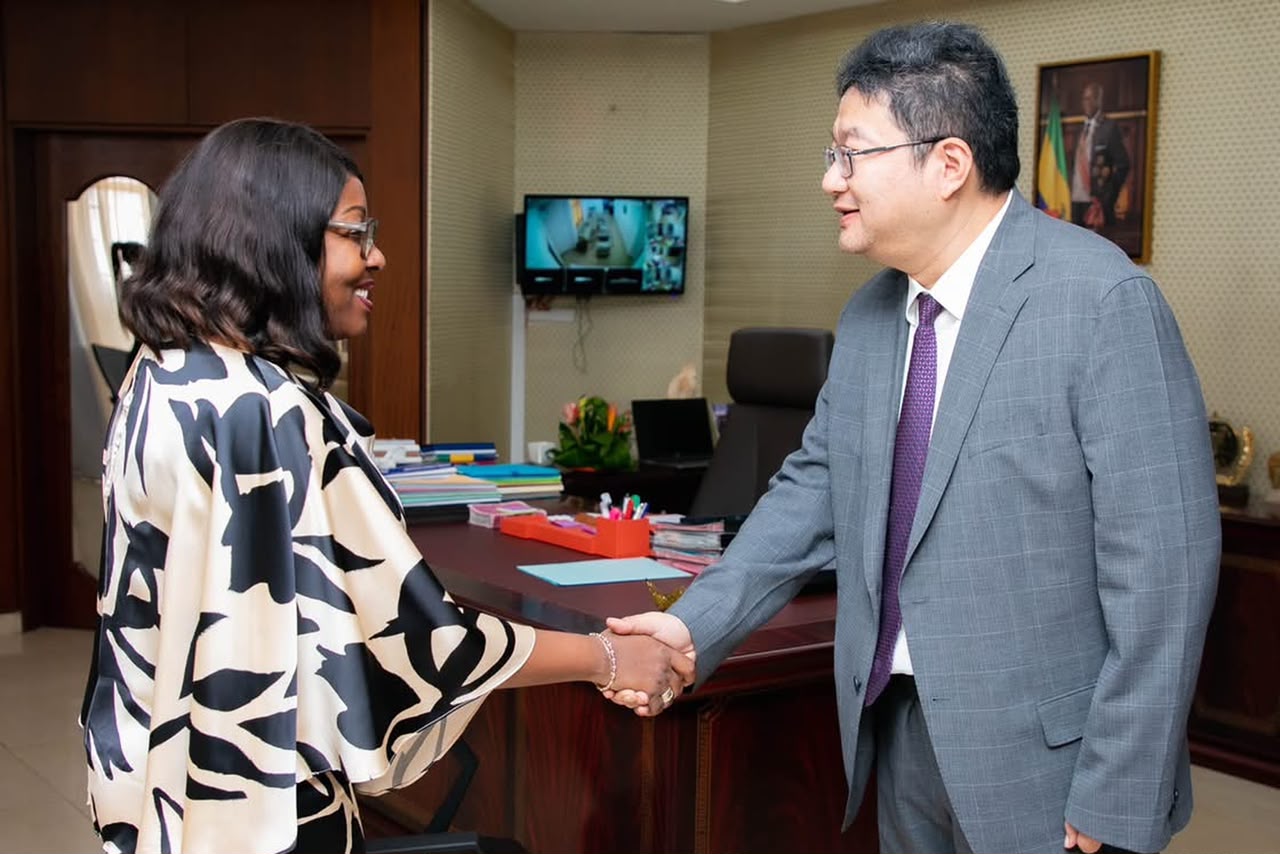
According to the Ministry of Public Service, these reforms are not just theoretical — they are actionable. Discussions have moved from vision to planning, with both sides focused on turning principles into practice. Yet, specifics remain under wraps. No official timelines, funding amounts, or program names have been disclosed following the October 2026 meeting between Gabon’s Minister of Public Service and China’s Ambassador to Gabon.
Why now? China’s global leadership meets Gabon’s economic ambition
The timing reflects a convergence of interests. At the 2024 FOCAC summit in Beijing, China pledged over $50 billion in development support across Africa over three years. While these funds are not earmarked exclusively for governance, Gabon sees an opportunity to channel expertise — not just capital — into its reform agenda. The FOCAC platform, established in 2000, has long been the cornerstone of China-Africa dialogue. Now, its role may expand from infrastructure financing to institutional capacity-building.
For China, the move strengthens its influence in the Congo Basin, where Gabon plays a strategic role. For Gabon, the partnership offers a chance to transition from a resource-dependent economy to one built on efficiency and innovation. The message is clear: a high-functioning government is not just an asset — it’s a prerequisite for growth.
What’s next? From talks to action in Gabon’s administration
The journey ahead will test both commitment and execution. While no public roadmap has been released, insiders confirm that technical teams are already at work. The next phase will hinge on two critical factors:
- Alignment with national priorities: Gabon insists that any training or technology transfer must reflect its unique development goals — not just replicate foreign models.
- Measurable outcomes: The public will demand results. Reduced processing times, fewer bureaucratic hurdles, and improved service delivery will be the benchmarks of success.
One thing is certain: Gabon is no longer waiting for change to happen. It’s actively seeking it — and China’s administrative expertise has become the key to unlocking a new chapter in the nation’s governance story.


 Mariama Hamani