Mariama Hamani
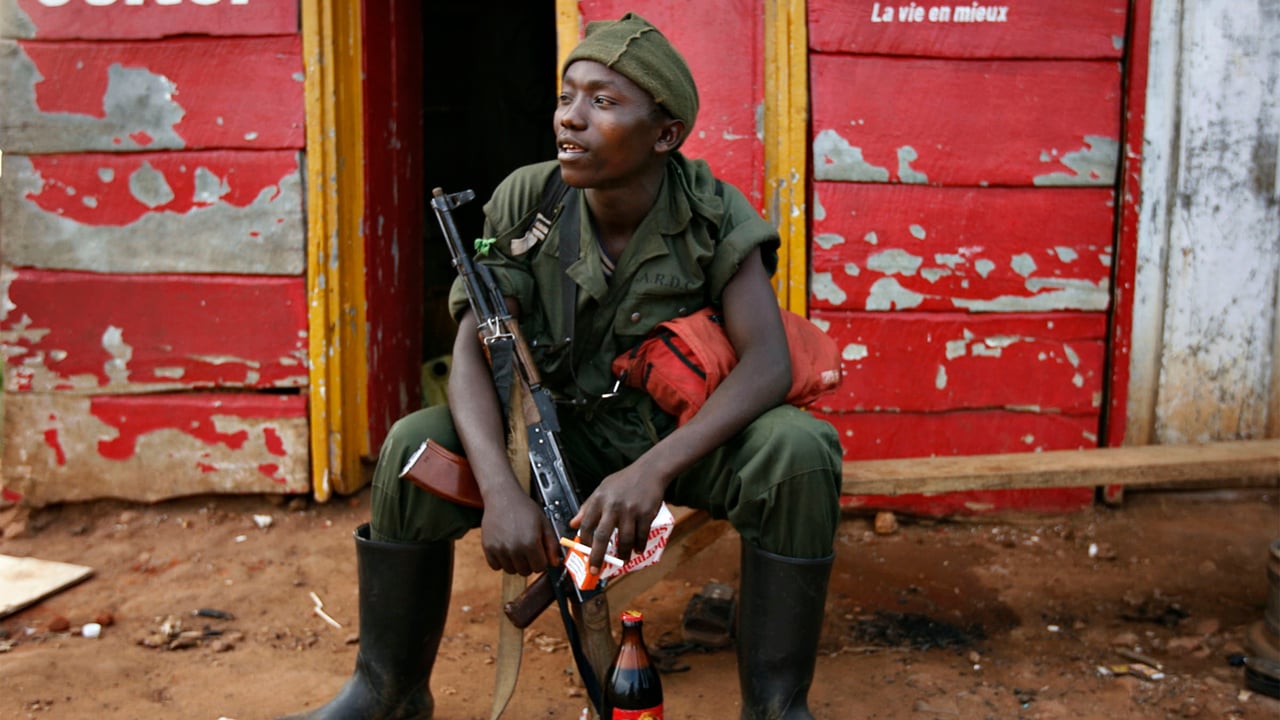
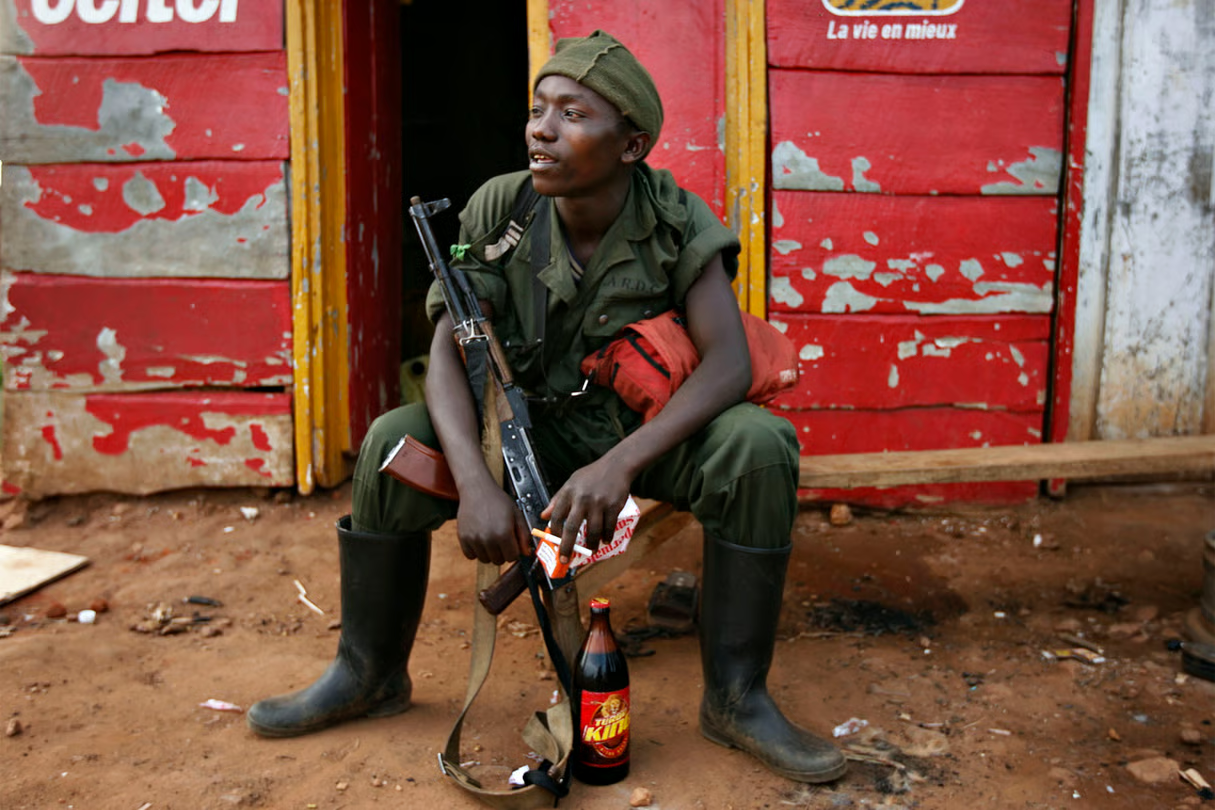
A once-fragmented rebellion in the Democratic Republic of Congo has transformed into a formidable force, and the turning point came not from the barrel of a gun, but from the taps of an illegal beer trade. Recent investigations reveal how the M23 insurgency shifted from sporadic skirmishes to systematic wealth accumulation by exploiting the region’s lucrative black-market beer industry.
The M23’s strategic pivot toward the beer industry
Analysts tracking the group’s financial evolution have pinpointed a deliberate pivot: the takeover of the informal brewing sector as a primary revenue stream. In cities like Goma and Rutshuru, where state control is weak, the M23 began imposing “taxes” on local breweries and distributors. These weren’t voluntary donations—they were coercive levies disguised as protection fees, funneling millions into the group’s coffers.
The tactic proved devastatingly effective. By 2023, beer trade profits accounted for nearly 40% of the M23’s documented income, eclipsing contributions from traditional sources like mineral smuggling or cross-border trade. This financial windfall coincided with a dramatic escalation in the group’s military capabilities, allowing it to launch sustained offensives that reshaped the conflict landscape.
How the illegal beer trade operates in Eastern Congo
The mechanics of this shadow economy are surprisingly sophisticated. Local brewers, operating without licenses or oversight, produce a popular sorghum-based beer under the radar. This informal sector thrives in areas where government presence is minimal, creating fertile ground for exploitation.
Key components of the system include:
- Controlled distribution networks: M23 fighters regulate which bars and vendors receive supply, ensuring compliance and tax payments.
- Enforced price structures: Retailers must sell at fixed rates dictated by the group, often at inflated prices that maximize profits for the insurgents.
- Smuggling routes: Beer produced in unregulated facilities is frequently transported across porous borders, evading taxes and expanding market reach.
- Frontline taxation: Roadblocks and checkpoints serve dual purposes—security theater for civilians and profit centers for the rebellion.
From rebellion to economic disruptor: The M23’s expanding footprint
The beer trade didn’t just fund weapons—it transformed the M23 from a militant faction into an economic disruptor. By leveraging this revenue stream, the group began undermining legitimate businesses that play by regulatory rules, creating a parallel economy that siphons resources from local commerce while avoiding accountability.
Small breweries that once supplied communities now face impossible choices: pay M23 “taxes” and survive, refuse and face closure, or flee the region entirely. The group’s involvement has stifled innovation in the local beverage sector and forced consumers to either accept overpriced products or turn to unregulated alternatives.
Additionally, the M23’s control over beer distribution disrupts food security efforts. Sorghum, the primary ingredient in local brewing, is diverted from agriculture, exacerbating shortages in a region already grappling with food insecurity. This creates a vicious cycle: economic decline fuels instability, which in turn perpetuates the rebellion’s hold on the informal economy.
Weak governance and legal voids enable the beer-funded insurgency
Central to the M23’s success in this endeavor is the absence of state authority in Eastern Congo. Over the past decade, successive governments have failed to establish control over mining zones, border areas, and informal markets. This power vacuum allowed the rebellion to embed itself within the region’s economic fabric, turning a once-secondary industry into its backbone.
Corruption within local structures further exacerbates the problem. Police, customs officials, and municipal authorities are often complicit—either through direct collusion or passive acceptance—allowing the black market to thrive. Without robust institutions to police the sector, the M23 operates with near impunity, its financial lifelines remaining untouched.
What the future holds: Breaking the cycle of rebellion and ruin
Addressing the beer-funded insurgency requires a multi-pronged approach that targets both the immediate threat and the structural weaknesses enabling it. Three strategies could shift the momentum back to stability:
- Targeted economic interventions: Investing in licensed breweries and alternative livelihoods could undercut the M23’s revenue sources while revitalizing local industry.
- Strengthened security measures: Deploying mobile patrols to disrupt illegal distribution and dismantle revenue collection points can sever the group’s financial lifelines.
- Institutional reforms: Restoring governance in conflict zones—through community policing, transparent licensing, and accountability for collaborators—can dismantle the enabling environment that allows the rebellion to flourish.
The M23’s shift from rebellion to economic predator marks a dangerous evolution in Congo’s conflict. But history shows that insurgencies thrive where governance fails. By addressing root causes—economic exclusion, weak institutions, and unregulated markets—stability may yet reclaim Eastern Congo’s future.


 Boureima Amadou