
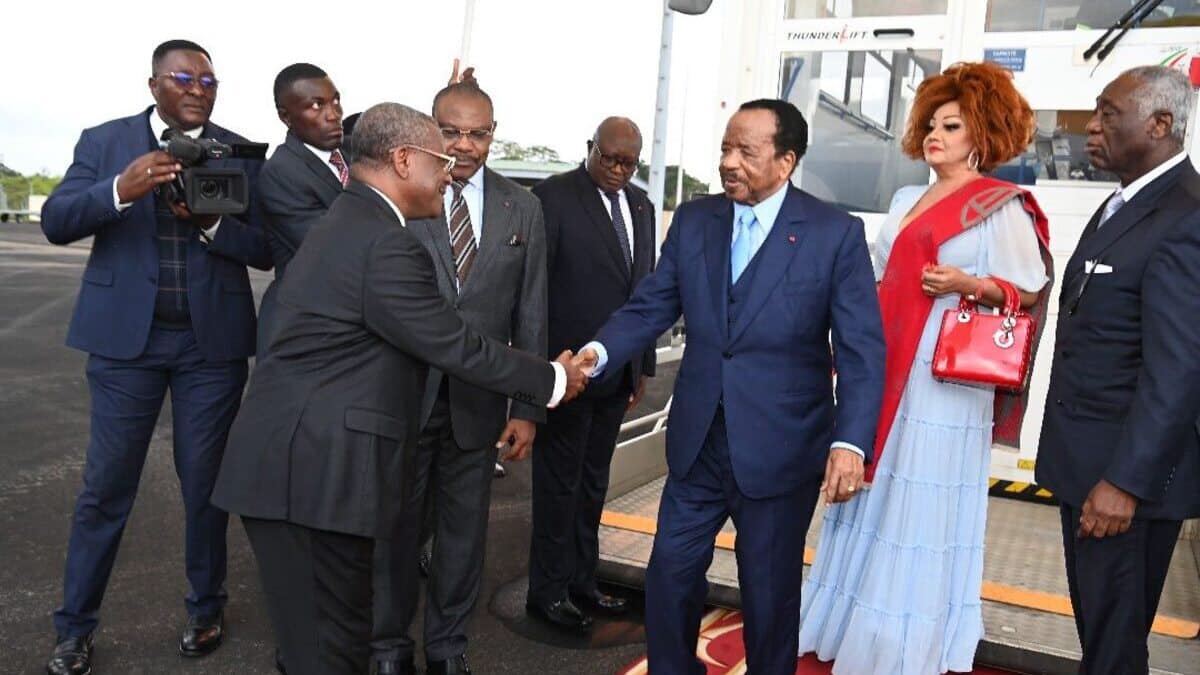
Is Cameroon’s presidency currently vacant?
On Monday, July 20, 2026, a political editorial aired on Radio Tiémeni Siantou (90.5 FM in Yaoundé and Bafang) examined the implications of the Cameroonian head of state’s extended absence from the country.
In a Monday political editorial broadcast on Radio Tiémeni Siantou (90.5 FM in Yaoundé and Bafang), commentator Eric Boniface Tchouakeu questioned the implications of President Paul Biya’s prolonged private stay in Europe.
The Cameroonian head of state left the country on June 7, 2026, officially for a “short private stay” in Europe, as stated in a communiqué from his Cabinet Director, Samuel Mvondo Ayolo.
While major panafrican media outlets have since confirmed that President Biya is indeed residing in Geneva, Switzerland—a city with which he has long-standing ties since assuming office on November 6, 1982—the prolonged nature of this absence has sparked intense public debate.
Speculation about the 93-year-old president’s health has intensified, despite repeated reassurances from government sources. Some observers have even gone so far as to suggest that Cameroon is currently experiencing a power vacuum.
Understanding Cameroon’s constitutional framework
At this juncture, it’s important to clarify a common misconception: the prolonged absence of a Cameroonian president does not equate to a power vacuum. The country’s constitution does not impose any time limit on how long the president may remain abroad.
The Cameroonian constitution explicitly defines only three scenarios in which a power vacuum can be declared: the death, resignation, or definitive impediment of the sitting president. However, the constitution offers no clear definition of what constitutes an “impediment,” leaving this determination subject to interpretation.
Therefore, the prolonged absence of President Biya—even if it extends for months—does not legally constitute grounds to declare a power vacuum.
Legal versus political considerations
The president could theoretically remain abroad throughout his term without violating any legal provisions. The real issue here concerns political ethics and public expectations.
The delayed formation of the government following the October 12, 2025 presidential election, combined with the swift reintroduction of the Vice-President position—which some viewed as rushed—has fueled public speculation about the number of days President Biya has spent outside Cameroon since June 7, 2026.
It’s worth noting that in over 43 years of uninterrupted leadership, President Biya has never signed or issued any major decree from abroad.
Be the first to comment

Mariama Hamani
Journalist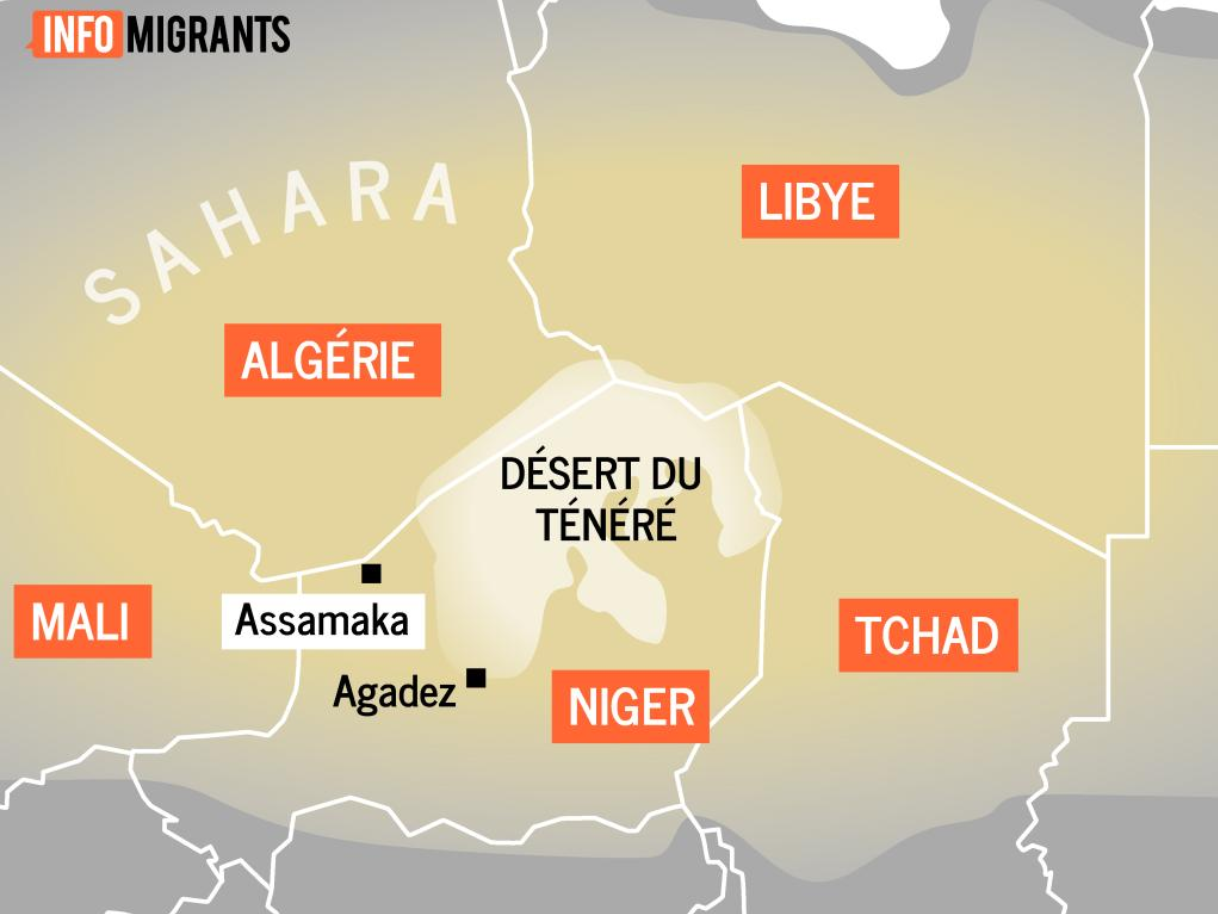
Mariama Hamani
- Politics
- October 23, 2026
- 33 views
Algeria’s parliament session marks a decisive shift in Sahel military strategy
The urgent summoning of Algeria’s parliamentary chambers on October 25 signals a potential watershed in the nation’s military engagement across the Sahel. While speculation swirls around a deeper commitment in…
Boureima Amadou
- Politics
- October 23, 2026
- 31 views
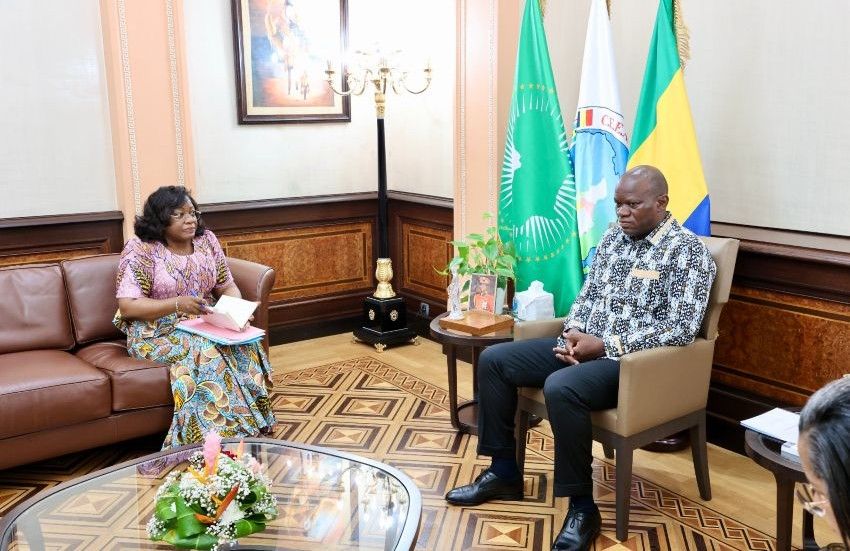
Gabon’s decentralisation: a pivotal shift from responsibility to real empowerment
Politics Gabon’s decentralisation: a pivotal shift from responsibility to real empowerment Libreville, friday 23 october 2026 – president Brice Clotaire Oligui Nguema met with senate president Huguette Nyana Ekoume Awori…
Comments