Mariama Hamani
The urgent summoning of Algeria’s parliamentary chambers on October 25 signals a potential watershed in the nation’s military engagement across the Sahel. While speculation swirls around a deeper commitment in Niger, the stakes extend far beyond the prospect of armed intervention—encompassing regional sovereignty, geopolitical rivalries, and a recalibration of security dynamics in an increasingly volatile zone.
A potential turning point in Sahel security
The extraordinary parliamentary session, with its undisclosed agenda, has fueled intense debate over whether Algeria is poised to escalate its military role in Niger. Though no official confirmation of a deployment decision exists, recent political and military developments demand a closer look at Algiers’ strategic motivations and the broader regional implications of a shifted stance.
A military alliance reshaping regional dynamics
A key factor is the evolving relationship between Algeria and Niger. On August 30, 2026, Algiers deployed four Su-30 fighter jets and a refueling aircraft to Niamey at the request of Nigerien authorities—a move framed as cooperation but carrying significant political weight. This deployment underscores Algeria’s intent to maintain operational capacity in a region plagued by instability, crumbling traditional alliances, and competition among external powers.
On October 21, the signing of a military cooperation protocol between Algerian and Nigerien officials further solidified this trend. While the accord’s specifics remain undisclosed, it underscores the growing prominence of security ties between the two nations, even if it falls short of confirming imminent military action.
Constitutional constraints and parliamentary urgency
The parliamentary session holds particular significance under Algeria’s constitution. Article 91 mandates that any deployment of the National People’s Army abroad by the president must secure approval from both parliamentary chambers with a two-thirds majority.
This constitutional requirement naturally raises questions about a potential debate on foreign military engagement. However, the lack of a published agenda demands caution. In such a sensitive context, distinguishing between an institutional procedure, a strategic consideration, and an operational decision is critical. Prematurely equating speculation with policy would risk turning hypothesis into accepted fact.
Niger’s sovereignty and regional calculations
For Niamey, strengthening ties with Algiers could diversify its security support at a time when the Sahel faces persistent armed threats and shifting alliances. Algeria, as a neighbor with substantial military capabilities, offers a strategic advantage in addressing these challenges.
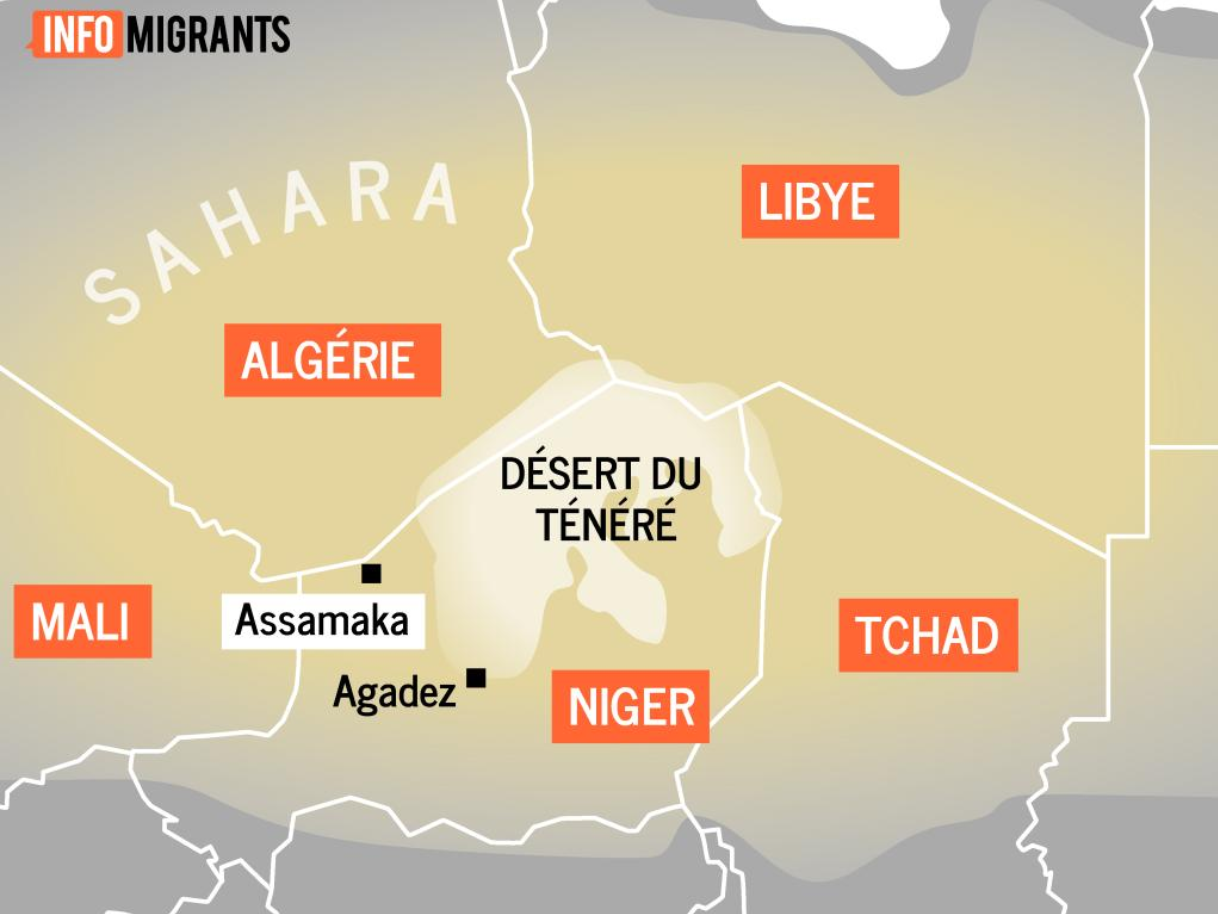
Geographically, Niger holds immense importance for Algeria. Shared borders and transnational threats—such as armed group movements, cross-border trafficking, and destabilization risks—mean that escalating insecurity in Niger could directly impact Algeria’s own stability. Thus, Algiers may prioritize preempting the spread of threats over engaging in offensive operations. Support missions, cooperative ventures, or deterrence measures do not inherently equate to combat intervention.
Power rivalries and unconfirmed hypotheses
Some discussions have suggested the possibility of strikes against Emirati interests in Niger amid broader influence rivalries. Yet, no official evidence supports the claim that Algeria is planning such an operation. Direct confrontation with a third-party state would represent a major strategic shift, exposing Algeria to heightened diplomatic and security costs while potentially deepening regional fractures.
It is essential to separate competition for Sahel influence from the existence of a targeted military plan. Interests, alliances, and state positions must be thoroughly documented before drawing conclusions.
October 25: a political crossroads
Beyond intervention speculation, the parliamentary session raises a broader question: how far is Algeria willing to go to safeguard its security interests in its southern neighborhood?
A potential approval for foreign deployment would send a major political signal. Conversely, a session focused on unrelated matters would underscore that chronological proximity alone does not imply causation. The immediate focus will be on the agenda, any resolutions passed, and subsequent official statements. These elements will clarify whether Algiers is preparing to bolster its assistance to Niger or pursue a more ambitious military posture.
For now, one conclusion is clear: the Algerian-Nigerien rapprochement is a political development to watch, but the hypothesis of military intervention remains unconfirmed. In a Sahel where every military move can reshape the balance of power, precision in reporting is vital to distinguish strategic signals from uncertain scenarios.

 Boureima Amadou