Mariama Hamani
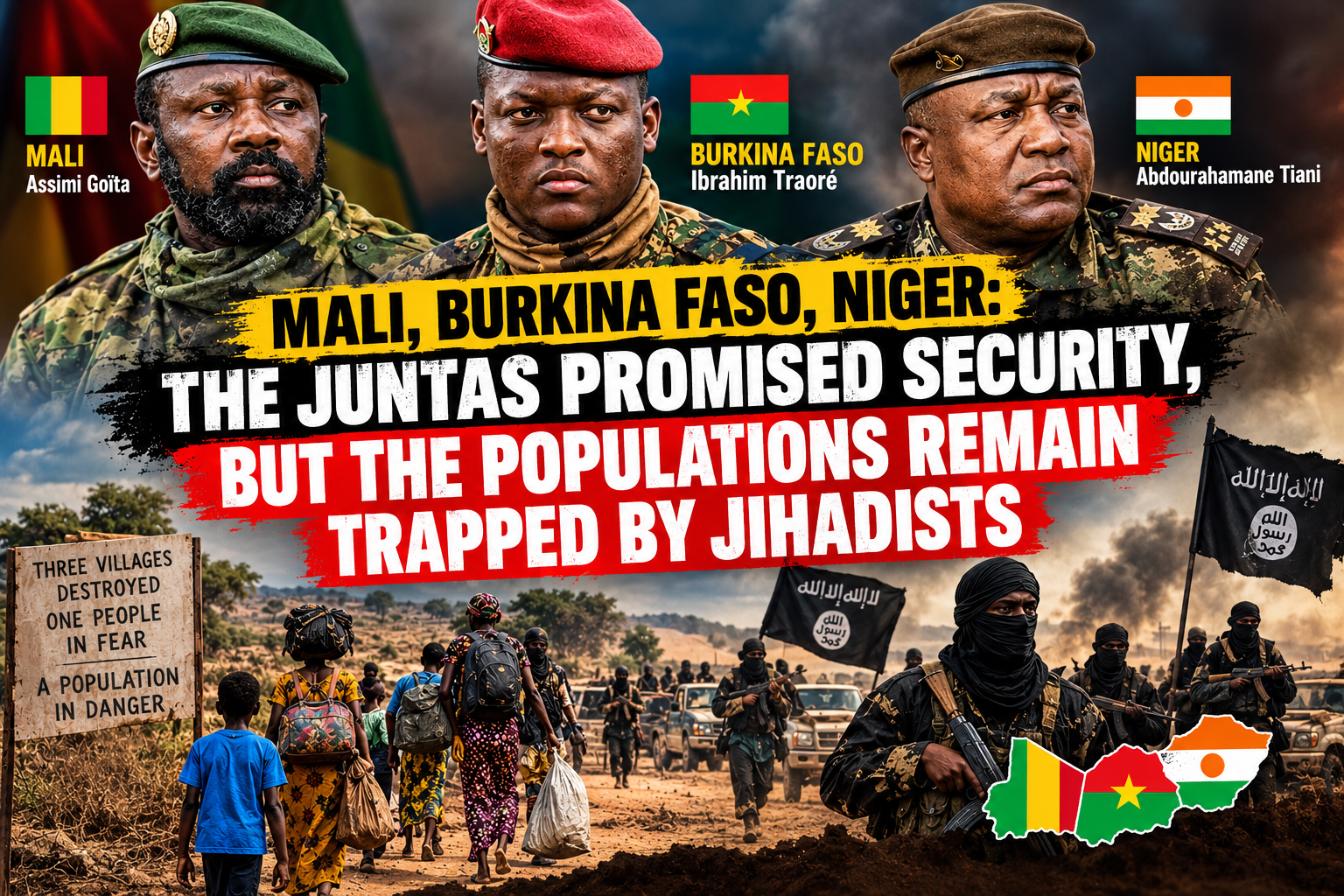
From promises to peril: the unmet security challenge in the tri-border zone
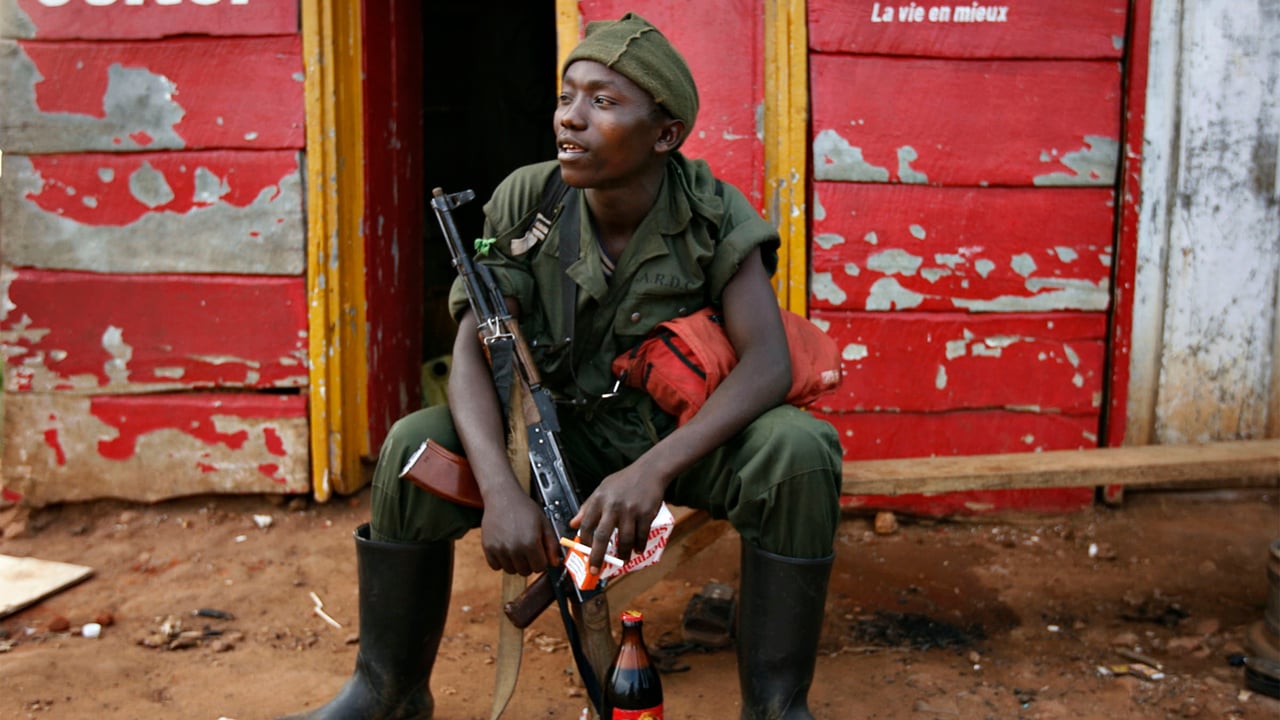
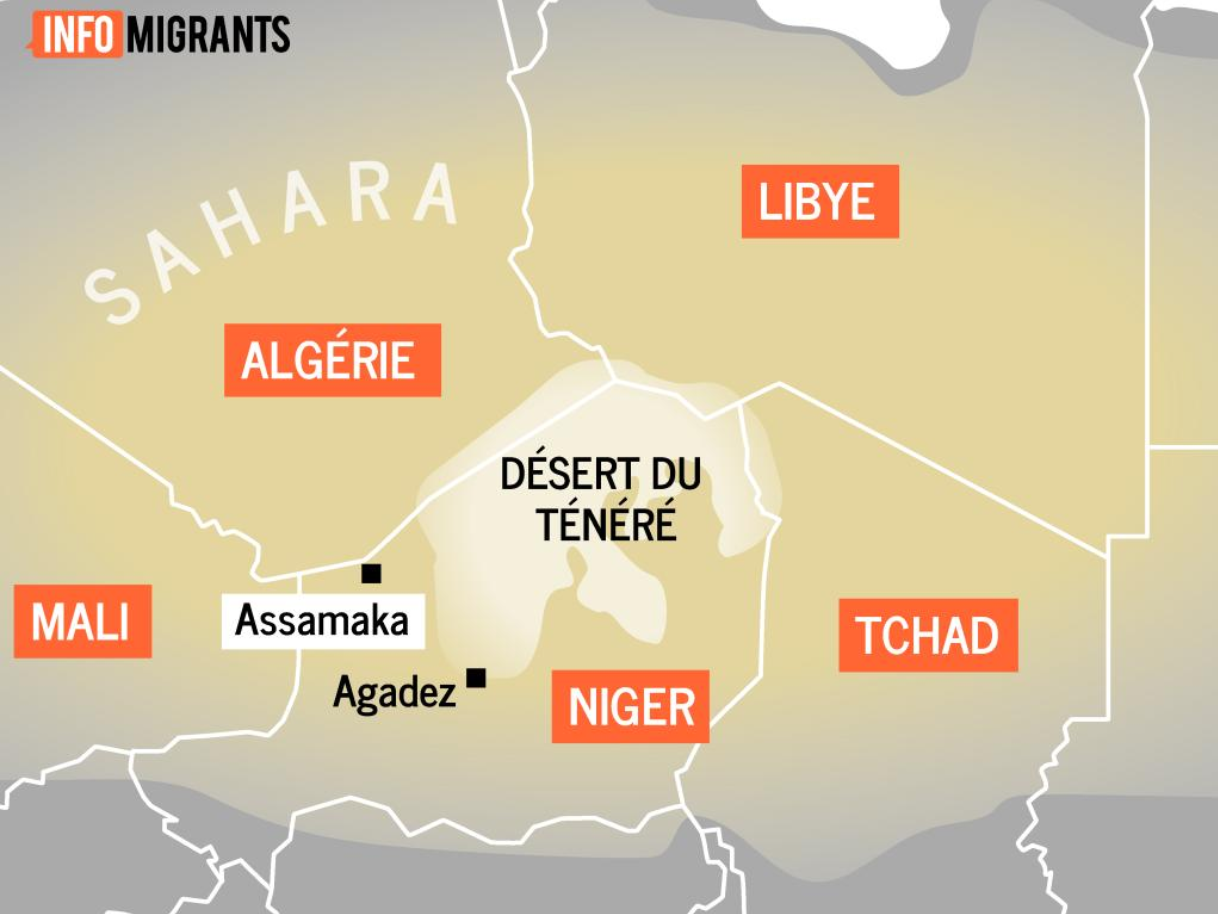
The vast tri-border region shared by Mali, Burkina Faso, and Niger has become the epicenter of an unprecedented power struggle between two of the Sahel’s most formidable jihadist factions. The Islamic State in the Greater Sahel (ISGS) and the Jama’at Nusrat al-Islam wal Muslimin (JNIM) both affiliates of global extremist networks are locked in a bloody contest for territorial dominance, leaving civilians caught in the crossfire of a conflict that shows no signs of abating.
While these militant groups vie for supremacy, the military juntas that seized power in each of these nations once promising swift security restoration now face a stark reckoning. The escalating violence has exposed a glaring disparity between rhetoric and reality, forcing communities to navigate a landscape where survival often trumps allegiance to any authority.
How jihadist turf wars reshape life in the shadow of military rule
This isn’t a conventional war. The ISGS and JNIM are not merely targeting state forces or government outposts; they are systematically carving out spheres of influence, seizing control of vital trade routes, and extorting local populations under the guise of religious governance. The consequences are devastating:
Relentless displacement: Villages are emptied as families flee repeated clashes, with little hope of return.
Economic strangulation: Markets stall, farmlands lie fallow, and trade routes become death traps, crippling livelihoods.
Information blackouts: Disruptions in communication isolate communities, making it easier for militants to impose their rule.
For residents of remote areas, the daily struggle for survival has overshadowed the juntas’ assurances of restored order. The question now looms: Can military regimes deliver on their founding promise when the very ground beneath their feet is shifting beneath them?
Accountability in the balance: sovereignty versus security on the ground
The juntas in Bamako, Ouagadougou, and Niamey have staked their legitimacy on reclaiming control from jihadist insurgents. Yet, the persistent violence in the tri-border zone forces a critical evaluation of their strategies. Sovereignty, after all, is not merely a matter of rejecting foreign partnerships or asserting political independence it is measured by the state’s ability to protect its people.
In practice, this has not materialized for many living in conflict zones. Restrictions on movement, shuttered schools, and abandoned public services paint a picture of a government struggling to assert its authority beyond urban centers. When civilians cannot till their fields, access healthcare, or send their children to school without fear of attack, the narrative of recovery rings hollow.
Rhetoric vs. reality: the limits of military-led security
Governments often point to operational successes or tactical victories as proof of progress. However, these claims are increasingly met with skepticism by populations who see no tangible improvement. The absence of a consistent security presence in rural areas has allowed jihadist groups to embed themselves further into the social fabric, capitalizing on grievances and exploiting gaps left by the state.
Moreover, the propaganda war waged by these factions complicates efforts to assess the true scale of the conflict. Militant groups routinely exaggerate their gains while downplaying losses, making independent verification a necessity. Yet, even this scrutiny reveals a troubling truth: the jihadist threat is far from diminished, and its evolution demands a response that goes beyond military confrontation.
The cost of inaction: when communities pay the ultimate price
Every attack, every skirmish, and every territorial gain by either ISGS or JNIM carries immediate and long-term repercussions for civilians. Displacement fuels humanitarian crises, economic collapse deepens poverty, and the erosion of trust in institutions weakens social cohesion. For many, the choice is stark: remain under the yoke of extremist rule or risk death by seeking safety elsewhere.
The juntas’ response framed in terms of national pride and self-reliance must now contend with the harsh reality of these failures. While no government can claim to have inherited an easy situation, the persistence of such conditions places the burden of proof squarely on the shoulders of those in power. The people of the Sahel’s tri-border region are no longer waiting for promises; they are demanding results.
A new framework for security: beyond military solutions
The military juntas’ security strategies have thus far prioritized hard power, but the conflict’s persistence suggests that a more holistic approach is necessary. Sustainable stability will require:
Intelligence-driven operations: Cutting off militant supply lines and dismantling their local support networks.
Community engagement: Rebuilding trust through credible governance and protection of civilians.
Regional cooperation: Coordinated efforts across borders to prevent militant groups from exploiting weak links.
Restoration of essential services: Reopening schools, clinics, and markets to restore normalcy.
The stakes could not be higher. The tri-border region remains a battleground not just for jihadist factions but for the very idea of what it means to govern. For the juntas of Mali, Burkina Faso, and Niger, the time to act decisively is now or risk watching their legitimacy crumble under the weight of unfulfilled promises.
What does sovereignty mean when lives hang in the balance?
The crisis in the Sahel’s tri-border zone forces a fundamental question: Can a government truly claim sovereignty if it cannot protect its people? The juntas’ rhetoric of self-determination rings hollow when civilians live in perpetual fear. Until the security of every village, every market, and every road is guaranteed, the dream of a stable and sovereign Sahel will remain elusive.
The fight against jihadism cannot be won by military might alone. It requires a commitment to the people whose lives hang in the balance day after day.
By Mariama Hamani — Journalist