Boureima Amadou
Gabon’s decentralisation: a pivotal shift from responsibility to real empowerment
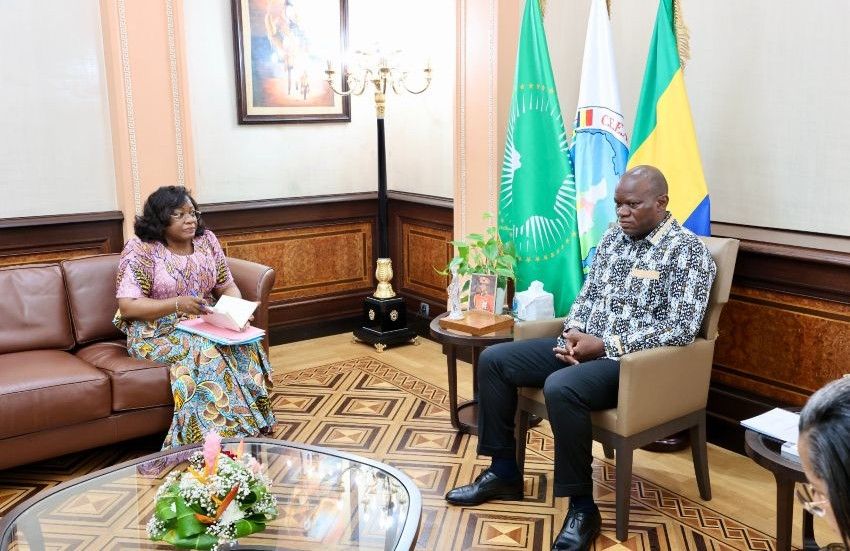
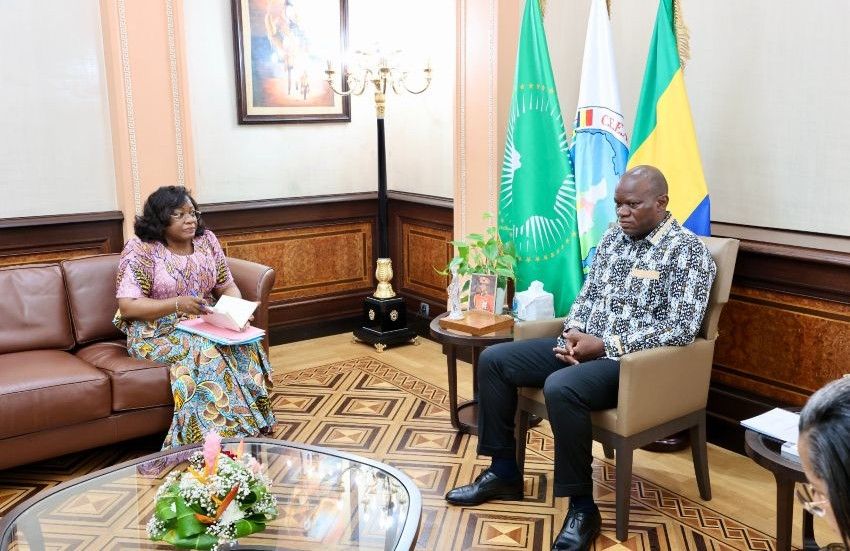
Libreville, friday 23 october 2026 – president Brice Clotaire Oligui Nguema met with senate president Huguette Nyana Ekoume Awori Onanga to catalyse Gabon’s decentralisation drive. At the heart of their discussions: the urgent need to transfer not just responsibilities but the resources and capabilities to act. This high-level meeting marks a turning point—will Gabon’s regions finally gain the tools to turn authority into tangible progress?
From policy to progress: bridging the implementation gap
Decentralisation stands as one of the most transformative reforms to bring government closer to its people. By empowering local authorities, Gabon aims to tailor public policies to provincial realities, reduce territorial inequalities, and respond directly to community needs. Yet the reform’s success hinges on a delicate balance: aligning expanded competencies with sustainable funding and administrative capacity.
The gap between ambition and execution remains Gabon’s core challenge. The presidential audience with the senate president underlines this moment of reckoning. Huguette Nyana Ekoume presented her institution’s planned initiatives to support decentralisation, while identifying the bureaucratic and financial hurdles slowing its rollout.
The message from the executive is unambiguous: decentralisation must evolve from a policy priority to an operational reality. The test now lies in translating political will into mechanisms that permanently reshape territorial governance.
Empowering localities: skills, budgets, and decision-making
Central to the discussions was the transfer of genuine competencies to local authorities. Granting new responsibilities to municipalities and regional bodies is meaningless without the means to exercise them. For autonomy to thrive, localities need skilled personnel, predictable budgets, and the freedom to make independently informed choices.
Without these pillars, decentralisation risks becoming a hollow exercise—shifting burdens without breaking the chains of central dependency. The dialogue between the president and senate chief therefore focused on strengthening administrative and financial capacities, enabling regions to design and execute projects aligned with local priorities.
Clarity is equally critical. The division of roles between the state and local entities must be precise to avoid administrative overlap, decision-making delays, and funding shortfalls. True decentralisation is not merely an institutional tweak—it demands a revolution in how public resources are mobilised, allocated, and utilised for citizen benefit.
Ground truth: the senate’s role in assessing local readiness
To ensure this transition succeeds, the senate president proposed a series of field missions. These on-the-ground assessments aim to evaluate the practical constraints faced by local authorities, from administrative bottlenecks to financial limitations, and gauge their readiness to shoulder new responsibilities.
This approach offers a vital advantage: it bridges the divide between institutional debate and grassroots realities. The needs of a rural commune, a burgeoning urban centre, or a resource-strapped municipality are rarely identical. Tailored insights are essential.
The effectiveness of these missions will depend on the quality of observations gathered, their analysis, and the willingness of institutions to act on the findings. Parallel to this, training and professionalising local officials emerge as non-negotiable priorities. Key areas include local administration, taxation, revenue collection, and budget management.
These skills are foundational to financial autonomy. A local government that can identify revenue streams, enhance collection efficiency, and manage expenditures effectively gains the power to fund hyper-local development projects. However, upskilling must be paired with appropriate tools, streamlined procedures, and robust oversight. Knowledge alone is insufficient without the means to apply it.
Governance under the microscope: can autonomy deliver?
Beyond structural adjustments, decentralisation poses a fundamental governance question: how can transferred public resources yield visible, impactful results for citizens? The presidential vision envisions local authorities as architects of their own progress—demanding transparent financial management, heightened accountability from elected officials, and the ability to set priorities reflecting community needs.
Financial independence is the linchpin. Strengthening local revenue streams should reduce reliance on central funding, enabling regions to progressively self-finance more initiatives. Yet not all localities possess equal fiscal potential or economic capacity. An effective decentralisation framework must therefore account for regional disparities, ensuring lessadvantaged areas are not left behind.
The state’s role remains pivotal. It must orchestrate transfers, support local administrations, and ensure equitable resource distribution. Meanwhile, the empowerment of local leaders must be backed by rigorous control and evaluation mechanisms to track the use of public funds.
The october 23 meeting thus heralds a new chapter for Gabon’s decentralisation. Yet success will not be measured by the number of competencies transferred or the volume of institutional announcements. The true benchmark will be the ability of local authorities to fund their projects, enhance public services, and meet citizen expectations. Real change will begin only when regions hold not just responsibilities, but the resources to act on them.

 Mariama Hamani