
Politics
Longer parliamentary sessions in Cameroon needed to strengthen governance, argues journalist
The current structure of parliamentary sessions in Cameroon is drawing sharp criticism from journalist Guibai Gatama. He questions whether the National Assembly can effectively fulfill its constitutional duties with just three annual 30-day sessions.
Cameroon’s parliamentary session structure under scrutiny
Journalist Guibai Gatama has raised concerns about the effectiveness of Cameroon’s National Assembly, pointing to its limited three annual sessions of 30 days each. This schedule, he argues, prevents lawmakers from fulfilling their core constitutional responsibilities: government oversight, lawmaking, and citizen representation.
In reality, plenary sittings often last only about two weeks per session, meaning lawmakers spend roughly just one and a half months in active session throughout the year. Gatama believes this is inadequate given the pressing political, economic, and social challenges facing the country.
To illustrate his point, he compares Cameroon’s parliamentary calendar with those of other African nations. He notes that Chad, Senegal, and Côte d’Ivoire hold sessions for eight to nine months annually, while Nigeria’s Parliament operates nearly year-round.
Calls for a parliamentary calendar reform in Cameroon
Gatama, founder of *L’Œil du Sahel*, argues that Cameroon’s National Assembly appears disconnected from national priorities. He advocates for a comprehensive debate on extending parliamentary session duration, stating that a reformed legislative calendar would enhance public policy oversight, improve the legislative process, and bring institutions closer to the daily concerns of citizens.
Be the first to comment

Mariama Hamani
Journalist
Mariama Hamani
- Politics
- October 23, 2026
- 24 views
Algeria’s parliament session marks a decisive shift in Sahel military strategy
The urgent summoning of Algeria’s parliamentary chambers on October 25 signals a potential watershed in the nation’s military engagement across the Sahel. While speculation swirls around a deeper commitment in…
Boureima Amadou
- Politics
- October 23, 2026
- 25 views
Gabon’s decentralisation: a pivotal shift from responsibility to real empowerment
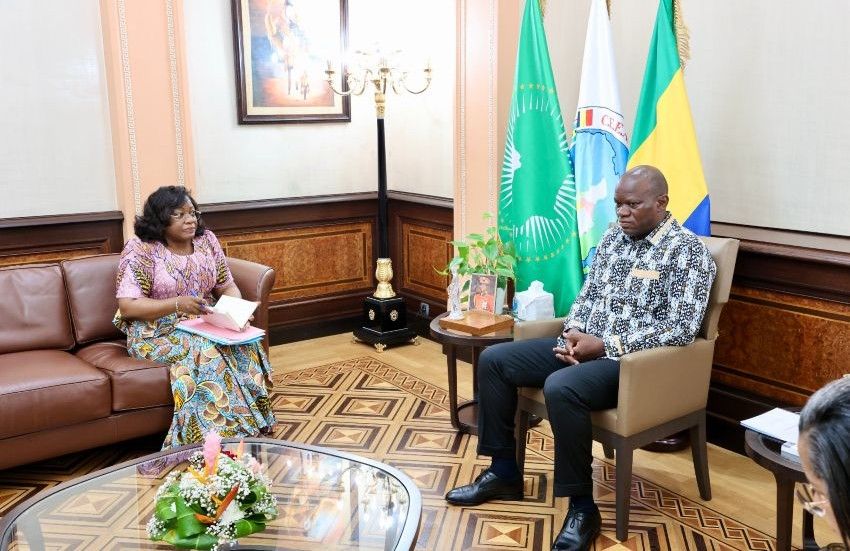
Politics Gabon’s decentralisation: a pivotal shift from responsibility to real empowerment Libreville, friday 23 october 2026 – president Brice Clotaire Oligui Nguema met with senate president Huguette Nyana Ekoume Awori…

Comments