Boureima Amadou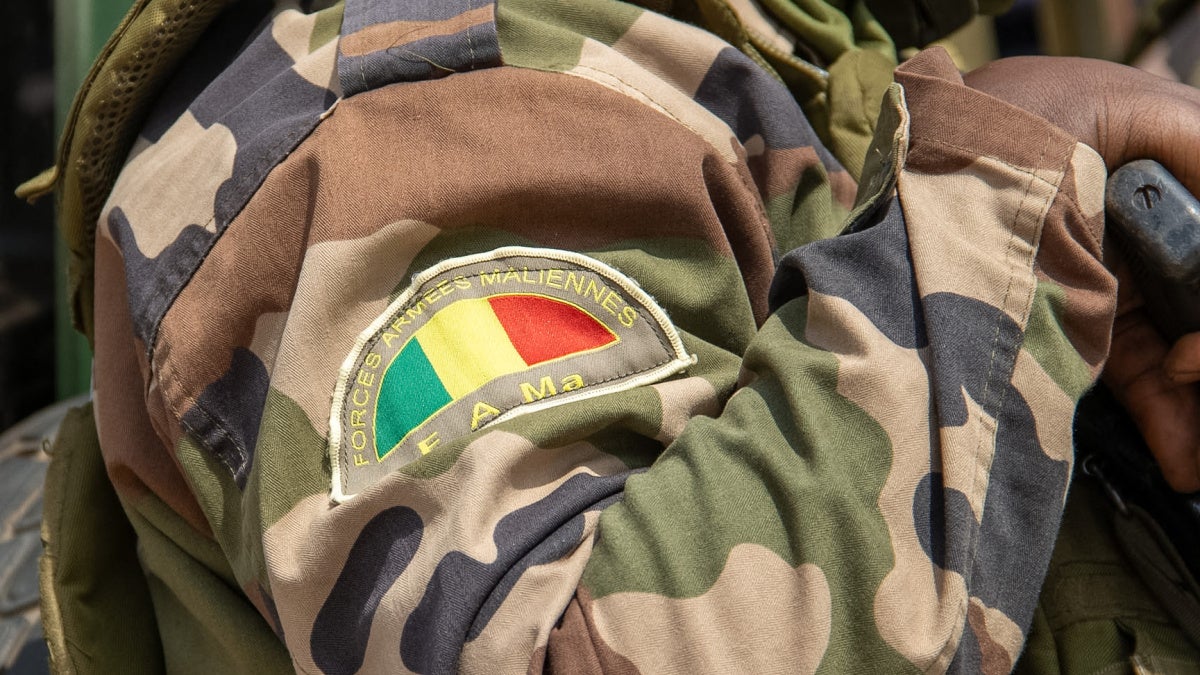
In the conflict-torn heart of Mali, at least 31 civilians were killed and homes were set ablaze in two villages during coordinated attacks by Malian army forces and allied militias on October 2 and 13, according to local accounts.
On October 2, soldiers backed by Dozo militiamen launched a deadly raid on Kamona village. The Dozos, predominantly from the Bambara ethnic group, have been active in counterinsurgency operations for over a decade. Witnesses reported that troops arrived in seven pickup trucks and three armored vehicles, accompanied by Dozo fighters on motorcycles. Their target: men in the village. As fighters from the Group for the Support of Islam and Muslims (GSIM) reportedly warned residents of the approaching army, many fled in fear. Those who remained were rounded up and executed, a survivor recounted.
At least 21 men perished in Kamona, and homes were torched—10 huts and three storage buildings belonging to Fulani residents were destroyed. Under the shade of a tree, villagers later discovered 17 bodies. A 40-year-old shepherd, hiding in an abandoned home with his nine-year-old daughter, described the grim scene: “The victims were riddled with bullets. One man’s head was completely shattered. Spent cartridges littered the ground around the bodies.” Four additional bodies were found north of the village, prompting a second mass burial. A local man, part of the recovery effort, said, “All had gunshot wounds to the abdomen and head. We buried them quickly under the sand, our hands shaking.”
Ten days later, on October 13, the violence spread to Balle village, some 55 kilometers away. Soldiers in five pickup trucks and Dozo militiamen on at least 30 motorcycles descended on the settlement. A 24-year-old resident recalled, “I didn’t run at first, but when I saw soldiers kicking and slapping men during house-to-house searches, I fled. From my hiding place, I heard gunfire.” By the time the attackers left, 10 civilians—including a 55-year-old woman—lay dead. Their bodies were lined up in the village center, some with broken limbs. A 33-year-old man described the aftermath: “Bodies were strewn side by side, each riddled with bullets.”
The woman’s 21-year-old daughter, present during the attack, shared a chilling detail: “My mother shouted at the soldiers, accusing them of abusing villagers. They dragged her to where the men were held and shot her.” Alongside the killings, attackers stole over 100 cattle, leaving the community in shock.
Local residents insist Balle has been under GSIM control for years. “We’ve paid zakat to them annually. Any disputes are settled by the jihadists—there are no soldiers, gendarmes, or police here,” explained a villager. “The army makes no distinction between us and them. They assume we’re GSIM fighters.”
Military officials have framed the October 13 operation as a counterterrorism success. The army chief of staff claimed troops conducted an “offensive reconnaissance” near Balle, “neutralizing around twenty terrorists” and seizing military equipment. However, no evidence of armed clashes was reported by residents.
Human rights advocates are demanding accountability. “These October massacres in Ségou are the latest in a long line of atrocities attributed to Malian forces and their allied militias,” said a senior Sahel researcher. “The authorities must conduct credible, impartial investigations and prosecute those responsible in fair trials.”
Since 2012, Mali’s conflict with armed Islamist groups has claimed thousands of civilian lives and displaced over 400,000 people. Both sides have been accused of grave abuses. The GSIM’s recent siege of Bamako, which cut off fuel supplies to the capital in early September, has exacerbated the crisis. In response, the military junta temporarily shuttered all schools and universities nationwide.
International law prohibits attacks on civilians and the killing or mistreatment of detainees. Those who commit or order such violations may face prosecution for war crimes. Though Mali withdrew from the International Criminal Court (ICC) in September, it remains bound by the Rome Statute until 2026. The ICC opened an investigation into alleged war crimes in Mali in 2013.
The African Union’s response has been widely criticized as insufficient. Despite its mandate to promote peace and security, the AU’s Peace and Security Council has limited itself to issuing statements expressing concern. Advocates urge the council to prioritize the Mali conflict, demanding regular briefings, strengthened diplomacy, and coordinated regional and international action to hold all parties accountable.

 Mariama Hamani