Boureima Amadou
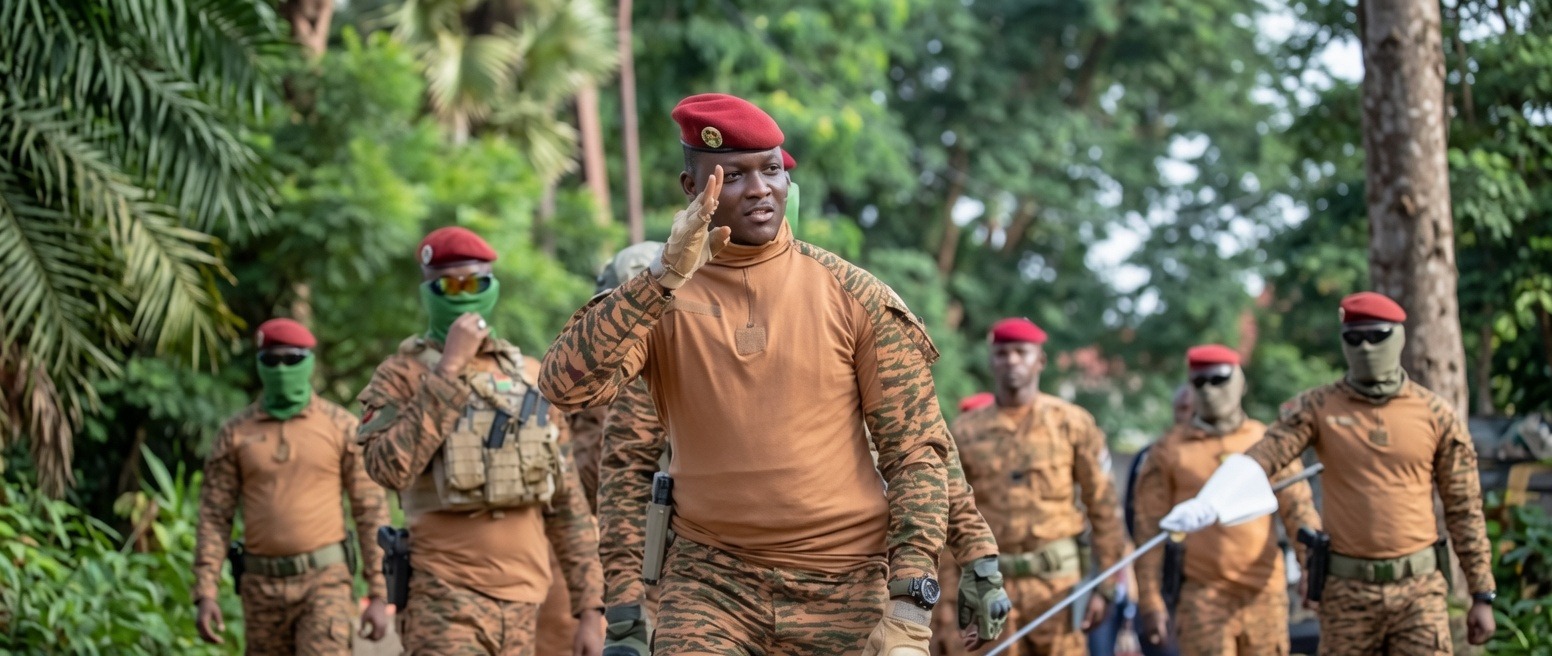
From Budget Line to Broken Promises: The Stark Gap in Public Investment
The government’s ambitious budget announcements and resource mobilization efforts in Burkina Faso are facing a harsh reality: only 37% of public investment projects ever reach completion. This staggering shortfall—where nearly two-thirds of infrastructure promises evaporate before breaking ground—has become a defining challenge for the country’s economic strategy.
Fresh evaluation data reveals that the state’s ability to turn allocated funds into tangible infrastructure is alarmingly weak. Despite billions in CFA francs being approved by parliament, intended to build schools, asphalt roads, or bring potable water to villages, the majority of these resources never translate into physical progress. This failure doesn’t stem from a lack of funding, but from systemic inefficiencies that derail even the best-laid plans.
Where Do the Missing 63% Go? The Four Black Holes of Public Spending
Contrary to popular belief, these vanished funds aren’t simply lost to mismanagement or corruption alone. They disappear through a series of interlinked failures within the public investment cycle—each acting as a silent tax on development.
– The pitfall of flawed feasibility studies
Many projects are greenlit without rigorous groundwork. Inaccurate cost estimates, poorly chosen sites, or misaligned priorities create immediate roadblocks. Once construction begins, technical surprises surface, budgets balloon, and work halts—consuming initial disbursements without delivering any lasting value.
– The trap of unpaid invoices and bureaucratic delays
The tendering process in Burkina Faso’s public procurement system is notoriously slow. Extended delays in state payments to local construction firms—especially small and medium enterprises—strangle cash flow and force contractors to abandon projects midstream. The result? Half-finished roads, abandoned school buildings, and stalled development.
– The curse of completed but unmaintained infrastructure
Even when a miracle occurs and a project is completed, it often meets a swift demise. Without dedicated maintenance budgets, newly paved roads crumble during the rainy season, power lines fail, and water systems fall into disrepair. Much of the initial investment is effectively erased, leaving taxpayers with nothing but abandoned shells of progress.
– The chasm between policy and practice
While Burkina Faso’s institutional framework has modernized to appease international donors, the actual enforcement of transparency, accountability, and performance tracking remains superficial. Rules exist on paper, but the culture of compliance and consequence is still missing in action.
Public-Private Partnerships: A Risky Gamble Without Structural Fixes
In response to these failures, policymakers are eyeing an increased role for Public-Private Partnerships (PPPs) to attract private capital. The logic seems sound: leverage private efficiency to deliver infrastructure. But without addressing the core weaknesses in project evaluation, contract oversight, and payment reliability, PPPs could become another drain on public finances—delivering bloated costs, opaque deals, and delayed delivery, all while burdening future budgets.
Such an approach risks repeating past mistakes: mobilizing funds without fixing the system that wastes them. Rather than doubling down on new funding models, the immediate priority must be to repair the existing machinery of public investment—ensuring every franc committed yields real, durable results.
From Commitment to Delivery: A New Standard for Public Investment
For the people of Burkina Faso, the only meaningful measure of success is seeing completed infrastructure that improves daily life. Yet today, the country operates with a dismal 37% physical execution rate—an alarming indictment of how far rhetoric has outpaced reality.
Injecting more money into a broken system is like pouring water into a sieve. True progress demands a radical shift: moving from budgetary announcements to concrete delivery. This means enforcing rigorous feasibility studies, fast-tracking payments to contractors, allocating maintenance funds upfront, and embedding real accountability into every stage of project execution.
Only when every budgeted franc translates into a functional school, a reliable road, or a clean water source will Burkina Faso’s public investment strategy earn back the trust of its citizens. The time for decisive action is now—before the next billion disappears into the same void.

 Mariama Hamani