Boureima Amadou
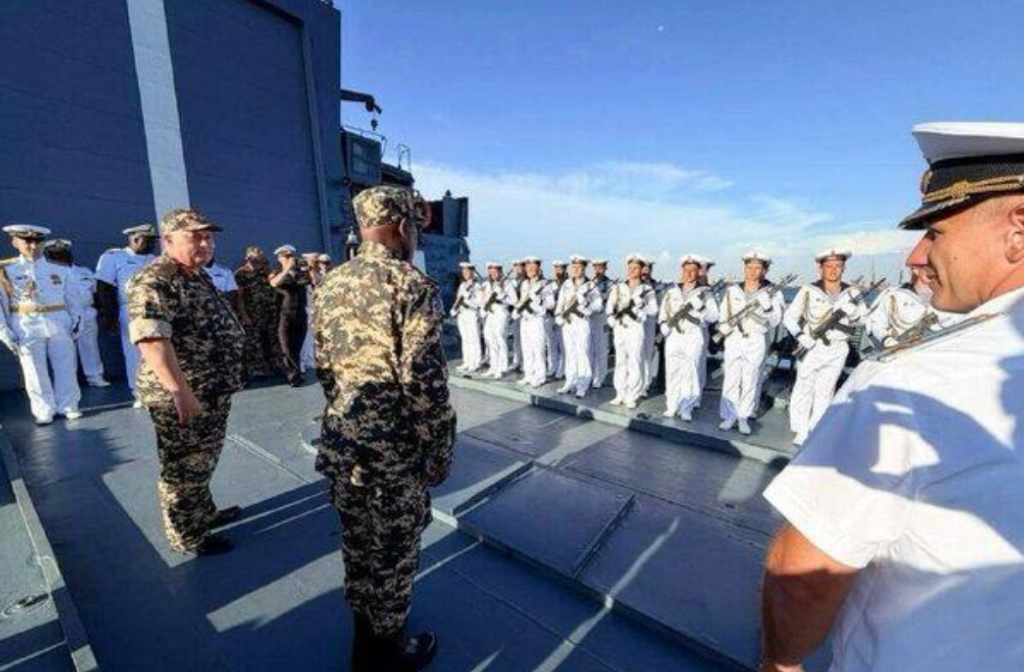
The Perekop’s Arrival: More Than Just a Training Mission
The docking of the Russian naval vessel Perekop in Namibia’s Walvis Bay on October 20, 2026, was officially framed as part of a routine maritime training campaign. Yet this stopover—covering over 2,100 miles in seven days—signals a calculated shift in Russia’s naval ambitions across Africa. While the mission’s stated purpose is to train future naval officers, the timing and context suggest a broader strategic play unfolding in southern Africa’s most pivotal port.
Walvis Bay: Africa’s Rising Maritime Chess Piece
Nestled on the Atlantic coast, Walvis Bay has long been Namibia’s economic lifeline. But its significance now extends beyond trade. For Russia, a nation expanding its naval footprint without permanent African bases, this port offers strategic leverage. A single visit can open doors to:
- Logistical advantages: Access to repair, resupply, and maintenance facilities for long-range deployments.
- Diplomatic opportunities: High-level meetings with Namibian naval officials and Russian embassy representatives.
- Future influence: Laying groundwork for deeper defense cooperation, including training and arms deals.
The Swedish Defence Research Agency (FOI) notes in its October 2026 report that such port calls are Moscow’s low-cost method to project naval power—especially where formal bases remain off the table.
A Diplomatic Move with Hidden Depths
The Perekop’s visit wasn’t just about maritime education. Officials from both nations engaged in discussions at Namibia’s naval headquarters, confirming institutional engagement. Yet what began as a training mission could quietly evolve into:
- Defense partnerships: Joint exercises or arms procurement talks.
- Geopolitical signaling: A reminder to Western powers that Russia maintains allies beyond its traditional spheres.
- Economic leverage: Potential contracts for port infrastructure upgrades or resource trade facilitation.
Namibia, like many African states, walks a fine line between diversifying partnerships and avoiding overt alignment with Moscow. While no secret agreements have surfaced, the optics of Russian naval presence are undeniable.
From Training Ship to Strategic Signal
Russia’s naval expansion in Africa hinges less on brute force and more on smart diplomacy. The Perekop’s stopover fits a pattern:
• 2024: Visits to Egypt and Angola to test port access.
• 2025: Increased naval diplomacy in Mozambique.
• 2026: Walvis Bay as the latest southern African pivot.
The question now is whether this visit will be an isolated gesture or the first domino in a longer-term strategy. Clues will emerge in the coming months: Will Russian ships return? Will Namibia sign logistical agreements? For now, the Perekop’s departure leaves behind a question mark—but one that geopolitical analysts are watching closely.
What Comes Next? Decoding the Subtext
Three scenarios could unfold from this turning point:
Short-term: Business as usual
A single training mission with no follow-through. The Perekop’s departure marks the end of Russia’s engagement—until the next port call.
Medium-term: Strategic foothold
Increased Russian naval activity in Walvis Bay, possibly paired with:
- Joint military exercises.
- Arms sales discussions.
- Port infrastructure investments by Russian firms.
Long-term: Military presence
A formal agreement granting Russia access to naval facilities—or even a permanent logistics hub. This would require Namibia to balance its relations with Western partners, a delicate act in today’s fractured global order.
One thing is certain: The Perekop’s arrival didn’t happen by accident. It’s a calculated move in a broader game—and Namibia is the latest board on which the pieces are being placed.
Bottom Line: Opportunity or Risk for Namibia?
For Walvis Bay, Russian naval visits bring both prospects and perils:
- Economic boost: Revenue from port services and potential Russian investments.
- Security concerns: Fears of escalating regional tensions or arms race.
- Sovereignty tests: Does increased Russian activity limit Namibia’s foreign policy flexibility?
The Perekop’s stopover may be labeled a training exercise—but its ripple effects could reshape southern Africa’s maritime landscape for years to come.