Mariama Hamani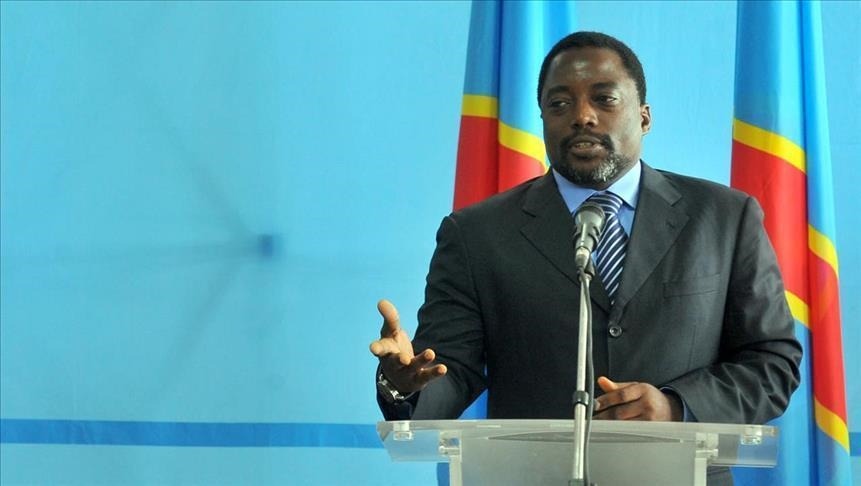
FRN launches under Kabila’s leadership with AFC and M23 alliance
Former Democratic Republic of Congo (DRC) president Joseph Kabila has been named leader of the newly formed Front for the Refoundation of the Nation (FRN), a politico-military coalition unveiled in Goma, eastern DRC, on October 12. The alliance consolidates opposition factions including the Alliance Fleuve Congo (AFC) and the March 23 Movement (M23), which have actively opposed President Félix Tshisekedi‘s government.
The announcement was delivered by FRN advisor Claude Ibalanky during a press conference. According to FRN officials, the coalition aims to unify resistance forces and end what it describes as a « tyrannical regime » « by all means necessary, including force ». While the declaration signals a direct challenge to Kinshasa’s authority, no operational timeline or military strategy has been disclosed.
New leadership reshapes opposition dynamics
Kabila assumes the FRN presidency, with key appointments including Cornéille Nangaa (former head of the National Independent Electoral Commission and AFC leader), Bertrand Bisimwa (M23 political leader), and General Sultani Makenga (M23 military commander) as chief of staff of the Congolese Revolutionary Army. Freddy Rukema Kaniki has been named secretary-general.
The FRN’s founding statement confirms it replaces the AFC, effectively dissolving the latter within the new structure. The document does not clarify the M23’s separate institutional status but reaffirms the coalition’s intent to challenge government legitimacy.
Accusations against Kinshasa spark regional concerns
The FRN’s declaration highlights what it calls systemic failures by Kinshasa, citing political manipulation, corruption, and economic mismanagement as core grievances. It also rejects the legitimacy of the 2023 election results, though these assertions remain unverified by independent sources.
The announcement coincides with ongoing conflict in eastern DRC, where M23 and allied AFC factions control significant territory, including Goma, seized during their 2025 offensive. While the UN and Western governments accuse Rwanda of backing the M23—denials from Kigali persist—the FRN’s emergence further complicates diplomatic efforts to broker peace.
Diplomatic fractures deepen as FRN challenges ceasefire pledges
The coalition directly accuses Kinshasa of violating ceasefire agreements and failing to release prisoners, a claim central to its platform. This development follows months of strained relations between Kabila and the DRC government, culminating in his 2025 contempt of court ruling—issued in absentia for treason, war crimes, and rebellion. Kabila dismisses the charges as politically motivated.
As of now, President Tshisekedi’s administration has not responded to the FRN’s formation. The alliance’s emergence places Kabila at the forefront of an armed opposition movement, raising urgent questions about its military strategy, internal cohesion, and potential impact on fragile peace negotiations.