Boureima Amadou
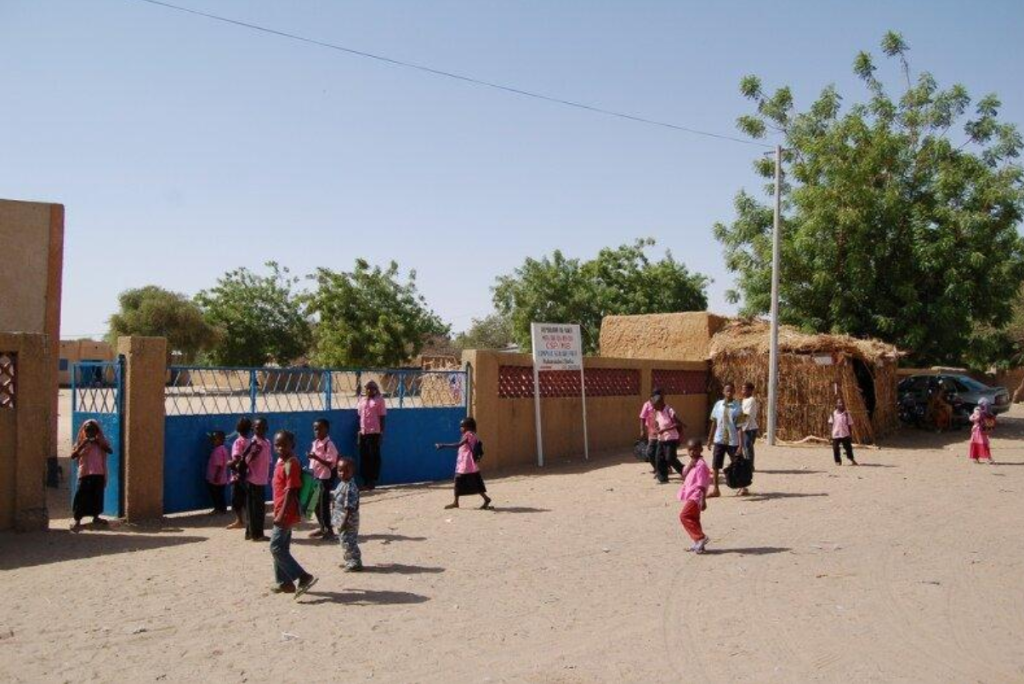
Niger’s decision to reopen schools in Diffa for children of all communities marks a decisive moment in the fight for accessible education. This policy shift follows controversial restrictions that threatened to derail the education of thousands of children, sparking urgent questions about the balance between security imperatives and fundamental human rights.
From exclusion to opportunity: the turning point in Diffa
Since October 2026, the Diffa and Zinder regions have faced administrative measures that disproportionately impacted the Mohamid community. Schools were closed, water wells restricted, and teachers reassigned, while access to healthcare and civil documents was also disrupted. These actions, framed as security measures, raised concerns about collective punishment and discrimination, undermining the very foundations of inclusive education.
The recent reopening of schools to all communities signals a major reversal—one that could redefine education access in a region grappling with decades of insurgency and displacement. But does this shift go far enough to address the root causes of exclusion?
The security dilemma: protecting students or penalising communities?
Diffa, a hotspot in the Lake Chad Basin, has endured relentless attacks from armed groups like Boko Haram. In response, authorities have often justified school closures as necessary to shield students and educators from violence. Yet, in the case of the Mohamid community, restrictions appeared to conflate security concerns with punitive measures against an entire group.
While protecting public infrastructure is a legitimate state responsibility, the means must align with international human rights standards. Indiscriminate restrictions risk violating the principle of non-discrimination, a cornerstone of Niger’s obligations under the Convention on the Rights of the Child.
Are targeted measures possible?
Security challenges demand nuanced solutions. Rather than blanket restrictions, authorities could deploy targeted interventions—such as enhanced patrols, community engagement, or temporary school relocations—to mitigate risks without penalising innocent children. The question remains: why were these alternatives not prioritised sooner?
Restoring hope: education as a bridge to stability
The reopening of schools offers a lifeline to families in Diffa, where prolonged closures have disrupted learning for countless children. For many parents, the announcement brings a renewed sense of normalcy—a chance to reclaim their children’s futures amid uncertainty.
Yet, the road to recovery is fraught with challenges. Damaged infrastructure, teacher shortages, and lingering security fears pose real threats to sustained reopening. Without concurrent investments in safety, resources, and community trust, the promise of inclusive education may remain unfulfilled.
A litmus test for Niger’s commitment to equality
Education is more than a service—it’s a pillar of national cohesion. By opening schools to all communities, Niger takes a critical step toward dismantling discriminatory practices. However, the true test lies in implementation: ensuring that no child is turned away at the schoolhouse door, regardless of their background.
The state’s role extends beyond decrees. It must foster dialogue with affected communities, clarify the legal basis for restrictions, and hold officials accountable for overreach. Only then can schools serve their dual purpose: protecting children and upholding their rights.
Looking ahead: safeguarding education for generations
For Diffa’s children, education is not just a right—it’s a lifeline. The recent policy reversal offers hope, but lasting change requires systemic commitment. From budget allocations to teacher training, every aspect of the education system must reflect the principle that no child should be left behind.
As Niger navigates the intersection of security and human rights, Diffa stands as a symbol of resilience. The choices made today will shape not only the region’s future but also its ability to heal divisions and build a more equitable society.