Boureima Amadou
Togo has reached a decisive turning point in the management of its international gateway. After years of internal mismanagement and a highly publicized sanitation scandal, the government has decided to entrust the commercial operation of Lomé’s primary airport to a leading French group. This shift marks a clear departure from traditional public oversight, signaling both a crisis of trust and a bold move toward operational renewal.
From public failure to private promise: why Lagardère steps in
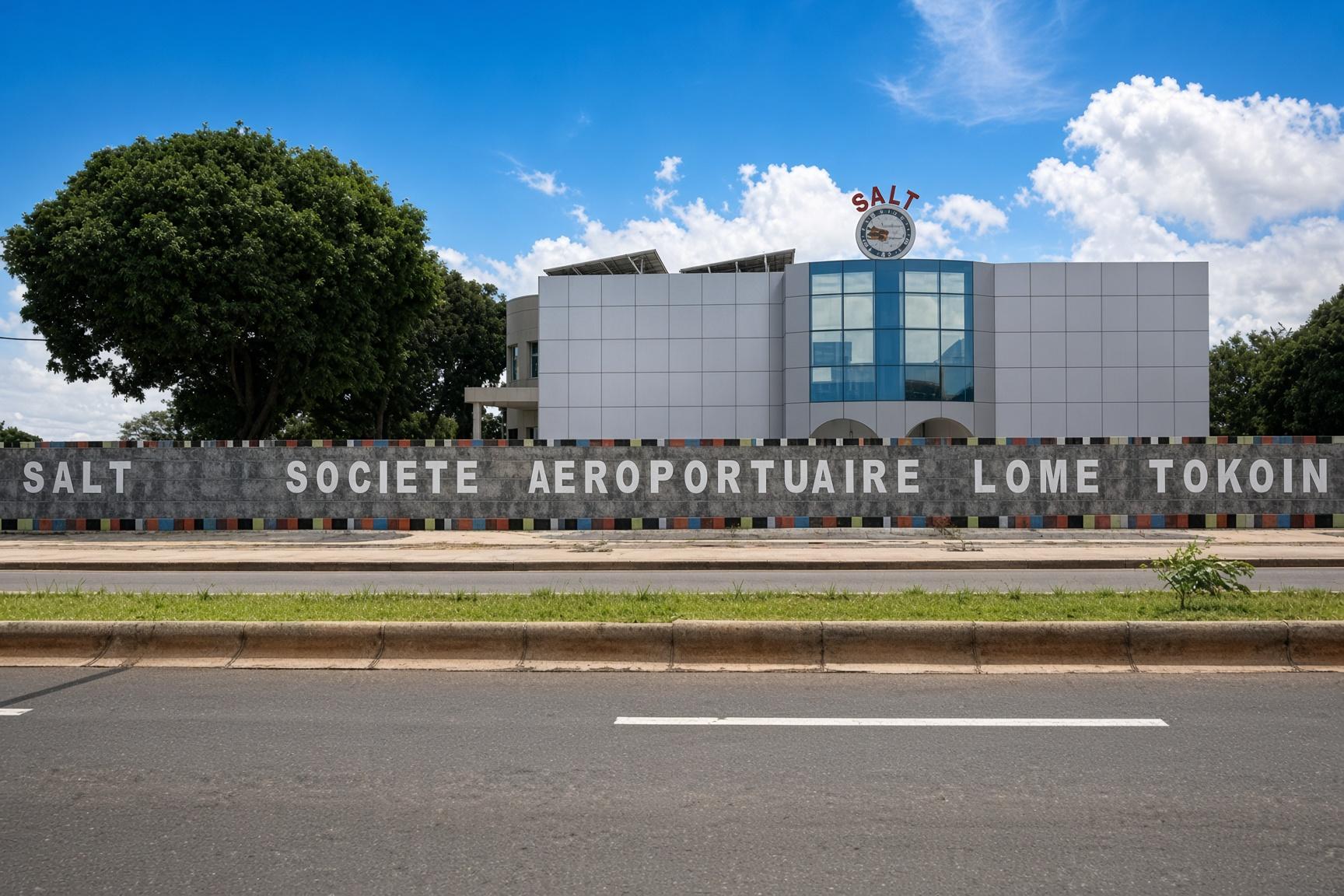
For years, the Airport International Gnassingbé-Eyadéma (AIGE) in Lomé struggled to meet international standards under the management of the Société Aéroportuaire de Lomé-Tokoin (SALT). Despite ambitious plans to transform the facility into a regional commercial and logistics hub, recurring issues with maintenance, operational efficiency, and service quality eroded confidence among travelers and airlines alike.
The breaking point came in October 2026, when a sewage system failure in the departure hall flooded the terminal with wastewater—a moment captured on social media and widely shared as a stark symbol of the airport’s decline. While officials initially dismissed the incident as a minor technical glitch, public outcry and media scrutiny forced a reckoning. The government acknowledged that the existing public model had failed to deliver the reliability and standards required for an international airport.
Sanitation scandal exposes deeper structural flaws
The sewage disaster was not an isolated event but the culmination of years of neglect. Inspections revealed crumbling infrastructure, outdated facilities, and inadequate waste management systems—issues that had long been overlooked in favor of cosmetic improvements. Airlines reported delays and dissatisfaction, while passengers faced unclean and unsafe conditions, damaging Togo’s reputation as an emerging trade and travel destination.
In response, the government launched an urgent review of airport operations. The findings were damning: SALT lacked the capacity, expertise, and resources to maintain the airport at the level expected by global aviation standards. With no immediate alternatives within the public sector, the decision to bring in a private operator became inevitable.
Lagardère takes charge: modernizing Lomé’s airport with global expertise
The French conglomerate Lagardère Travel Retail has emerged as the frontrunner to assume control of the airport’s duty-free zones and commercial operations. Known for its extensive experience in managing high-traffic retail spaces at major international airports, Lagardère brings a proven track record in transforming underperforming facilities into efficient, revenue-generating hubs.
Under the proposed agreement, Lagardère will oversee the modernization of retail spaces, improve passenger experience, and implement stricter operational protocols. The move is expected to enhance the airport’s appeal to international travelers and boost duty-free revenue—a critical income stream for the government.
Boosting efficiency, but at what cost?
While the benefits of private expertise are clear, the arrangement raises concerns about sovereignty and economic inclusivity. Lagardère, part of the Louis Hachette Group (itself majority-owned by the Bolloré Group), represents a significant French corporate presence in Togo’s infrastructure sector. Critics argue that the concessions granted to an international operator could sideline local businesses in favor of global retail giants, potentially undermining the country’s economic sovereignty.
Proponents counter that the immediate operational gains outweigh long-term risks, especially given the urgency to restore confidence in Lomé’s airport. The government has framed the partnership as a pragmatic solution to a critical impasse, emphasizing the need for rapid modernization over ideological debates.
A partnership with high stakes
The success of this transition will hinge on Lagardère’s ability to deliver tangible improvements quickly. Travelers and airlines demand reliability, cleanliness, and efficiency—standards that the current system has struggled to meet. For Lagardère, the challenge is twofold: restore operational credibility and demonstrate that the partnership can generate mutual benefits for both the operator and the Togolese state.
As construction crews and retail specialists mobilize in Lomé, the broader question remains: Can this private-led revival of the airport serve as a model for other African nations grappling with similar challenges? For now, all eyes are on the immediate impact—will the changes be enough to turn the page on years of decline?