Boureima Amadou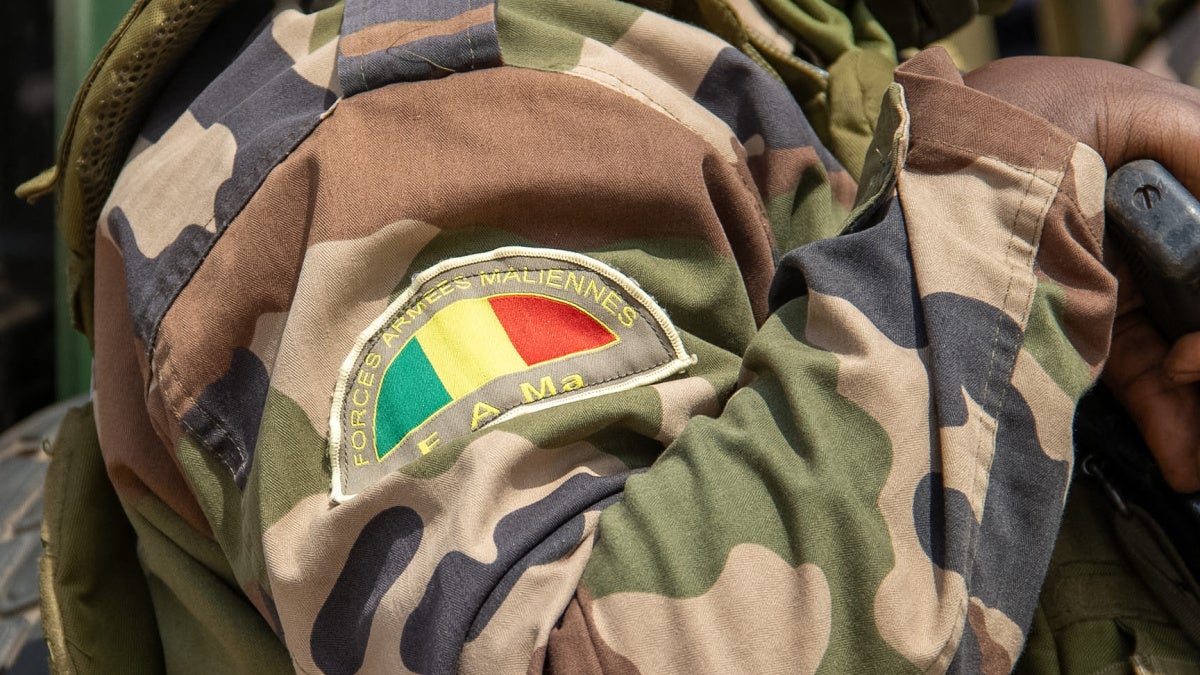
Civilian deaths and arson in two villages amid ongoing conflict
In early October, soldiers from the Malian Armed Forces and allied dozos militias carried out deadly raids in the Ségou region, resulting in the deaths of at least 31 civilians and the burning of homes. These incidents occurred on October 2 and October 13 in the villages of Kamona and Balle, respectively. The region has been under the control of the Group for the Support of Islam and Muslims (GSIM), an al-Qaeda-linked militant group, for years.
The first attack, on October 2, targeted Kamona. Witnesses reported that military personnel arrived in at least seven pickups and three armored vehicles, accompanied by dozos riding motorcycles. The soldiers and militiamen accused local men of collaborating with the GSIM, executing at least 21 men and setting fire to 10 homes. Survivors recounted how those unable to flee were rounded up and shot. The attackers also burned huts and storage buildings belonging to Fulani ethnic residents.
« Those who couldn’t escape were gathered and executed, » a survivor told investigators. By the end of the day, 17 bodies were found beneath a tree in the village, with four more discovered north of Kamona. The victims, all men aged 20 to 65, had been shot at close range. One witness described finding empty bullet casings scattered near the bodies, while another reported burying the dead in a mass grave.
On October 13, a second attack struck Balle, located about 55 kilometers from Kamona. Soldiers in five pickups and dozens of dozos on motorcycles stormed the village, prompting some residents to flee. Those who remained were subjected to violent searches. According to accounts, 10 civilians—including a 55-year-old woman—were killed, and over 100 cattle were stolen. The victims, aged 22 to 67, were found lying side by side, some with broken limbs. The woman’s daughter recounted how her mother was shot after confronting the soldiers about their treatment of the villagers.
Military officials later claimed the October 13 operation was an « offensive reconnaissance » that « neutralized around twenty terrorists » and seized military equipment. However, residents disputed this, stating that Balle had been under GSIM control for years, with no government presence. « We pay zakat to them every year, » one villager explained. « If there are disputes, they are settled by the jihadists. There are no soldiers, gendarmes, or police here. The army makes no distinction between them and us. »
Human rights monitors have documented a pattern of abuses by Malian security forces and allied militias during counterinsurgency operations in central Mali. These include extrajudicial killings, arson, and collective punishment of civilians suspected of aiding armed groups. The GSIM and other militant factions have also been accused of grave violations, including attacks on civilian targets and imposition of brutal governance in areas under their control.
Since 2012, Mali’s conflict has claimed thousands of civilian lives and displaced over 400,000 people. Despite the withdrawal of Mali from the International Criminal Court (ICC) in September, the country remains subject to the Court’s jurisdiction until 2026. The ICC has been investigating alleged war crimes in Mali since 2013.
The African Union has faced criticism for its limited response to the escalating violence. Analysts argue that without stronger diplomatic and regional coordination, accountability for atrocities committed by all parties remains elusive. « The situation demands urgent action, » said a regional analyst. « Failure to address these abuses will only deepen the cycle of violence. »
Accountability and international law
Under international humanitarian law, all parties to the conflict are prohibited from targeting civilians, carrying out extrajudicial executions, or committing acts of violence against detained individuals. Violations with criminal intent may constitute war crimes, for which commanders and perpetrators can be held accountable.
While Mali’s withdrawal from the ICC limits immediate legal recourse, the Statute of Rome remains applicable until 2026. The Court has previously issued arrest warrants and pursued cases related to crimes committed during the conflict. Regional bodies, including the African Union, are urged to prioritize accountability mechanisms and support transitional justice efforts to break the cycle of impunity.

 Mariama Hamani