Boureima Amadou
The long shadow cast by insurgent violence across Africa’s Sahel finally lifted on October 21, as two European women—Eva Gretzmacher from Austria and Claudia Abbt from Switzerland—stepped onto Libyan soil after more than eighteen months in captivity. Their transfer to Benghazi marks more than a personal triumph; it signals a decisive shift in the way regional hostage crises are resolved, with Libyan mediation emerging as a pivotal force in a fractured security landscape.
From Agadez streets to Benghazi tarmac: the kidnappings that shook the Sahel
Both women were snatched in the same urban setting: Agadez, a bustling desert crossroads in northern Niger where trade routes crisscross the Sahara. Eva Gretzmacher, an Austrian national with deep regional ties, was taken in January 2025 while Claudia Abbt, a Swiss citizen, followed in April 2025. The dual kidnappings exposed a dangerous new pattern: foreign nationals were no longer safe even within Niger’s urban centres, raising urgent questions about the reach and audacity of armed groups operating in the Sahel.
Official investigations have yet to confirm the identities of the captors, though early intelligence fingered the Islamic State in the Sahel as a possible culprit. Yet definitive attribution remains elusive, underscoring the fog of war that shrouds every kidnapping in this part of the world.
Libya’s eastern strongman steps into the breach
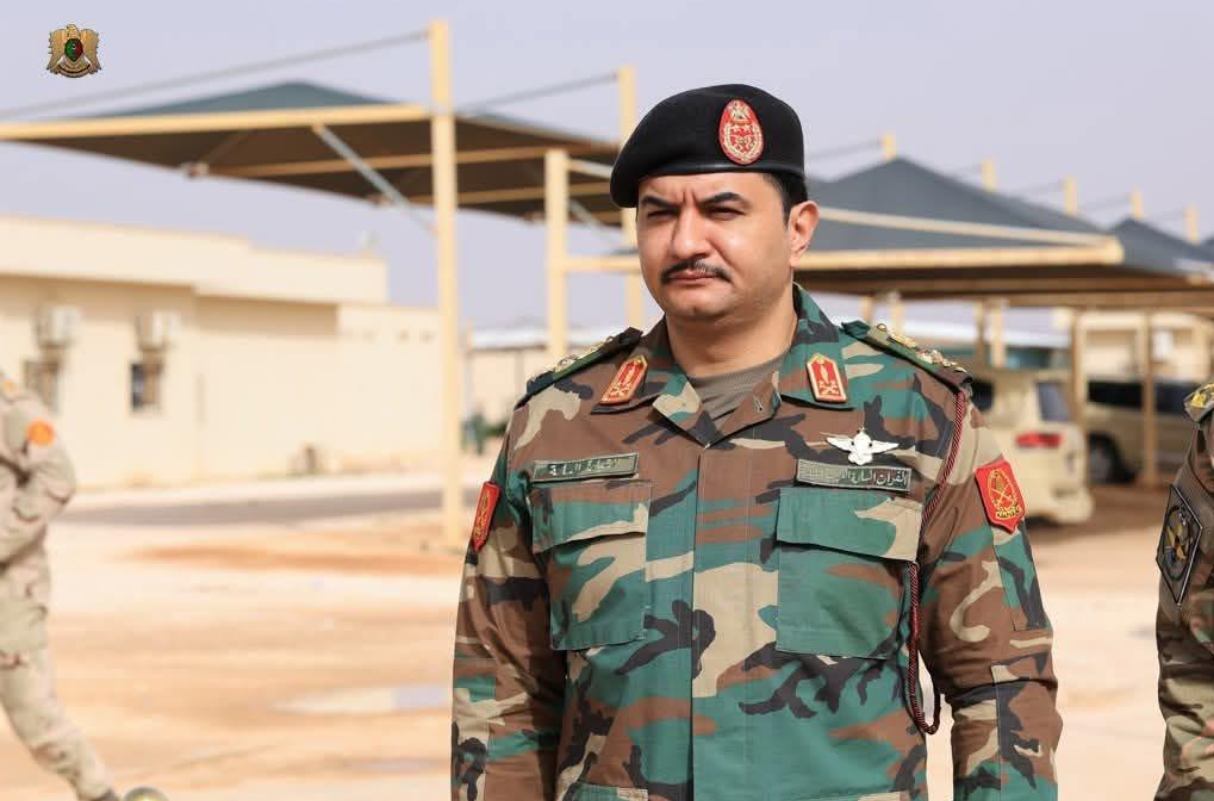
All eyes now turn to Khalifa Haftar, the dominant military leader in eastern Libya whose Benghazi stronghold has become a key node in regional mediation networks. Multiple diplomatic sources point to Haftar’s inner circle—including his son Saddam—as instrumental in brokering the release. While the exact mechanics and any quid pro quos remain classified, the operation’s outcome suggests that Libya’s eastern authorities are capable of exerting influence far beyond their immediate borders.
For Haftar’s administration, the successful handover offers a rare opportunity to project power and credibility on the regional stage, all while negotiating directly with European governments desperate for action. Still, without public disclosure of the negotiation terms, any claim to a broader diplomatic strategy remains speculative at best.
Niger’s security wound remains open
Behind the relief lies a stark reality: Niger’s northern territories remain trapped in a spiral of violence that shows no sign of abating. Militant factions—including affiliates of Al-Qaeda and the Islamic State—exploit vast, sparsely patrolled expanses to stage attacks, ambush convoys and disappear with foreign hostages. Agadez, once a beacon of trans-Saharan commerce, now sits on the front line of a conflict that respects no borders.
The international community has not been silent. Both French and American travel advisories now rank Niger at the highest risk level, warning citizens of the imminent threat of kidnapping and terrorism. These warnings reflect more than cautionary language; they embody the ongoing failure to secure key corridors and neutralise armed groups that operate with near impunity.
What comes next: questions without answers
The immediate priority is reuniting Eva Gretzmacher and Claudia Abbt with their families and ensuring their physical and psychological recovery. From Benghazi, they will be repatriated to Austria and Switzerland respectively, but the shadows of their ordeal still linger.
Critical questions remain unanswered: who held the women for all these months? What negotiation channels were activated, and under whose authority? Was Haftar’s Libyan network the decisive leverage, and if so, what concessions were made? Without transparent disclosures, any reconstruction of the liberation process remains incomplete.
One truth endures: in a Sahel where security crises spill across national frontiers, hostage releases often hinge on shadow diplomacy and unofficial channels. For Eva Gretzmacher and Claudia Abbt, the nightmare is over. For governments across the region, the fight to prevent the next abduction—and the next silent negotiation—has only just begun.

 Mariama Hamani