Boureima Amadou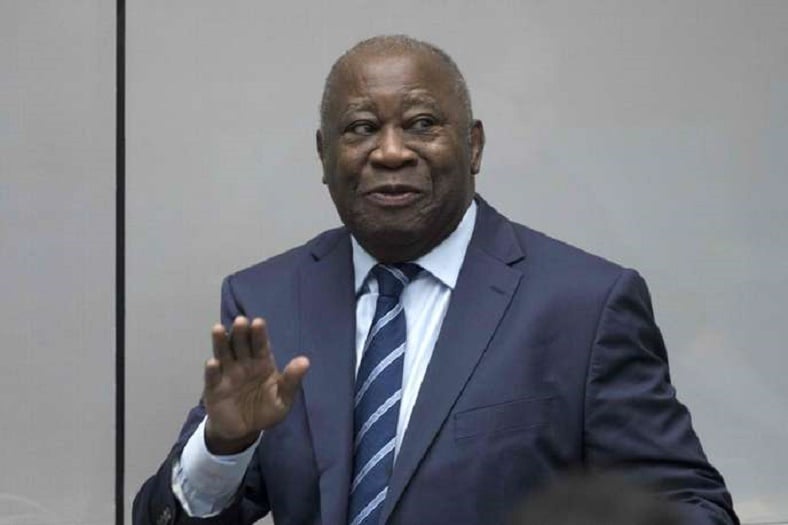
After years of political turbulence, Laurent Gbagbo, former President of Côte d’Ivoire (2000-2011), has been reaffirmed as the leader of the Parti des Peuples Africains – Côte d’Ivoire (PPA-CI) during the party’s first ordinary congress. Despite earlier hints of stepping back, his influence among supporters remains strong, even as the party faces challenges following electoral boycotts.
Reaffirmation of leadership amid political shifts
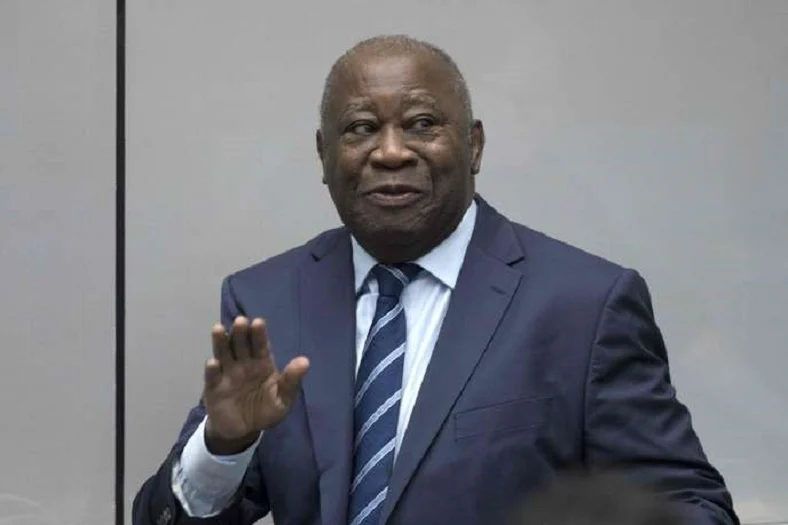
Laurent Gbagbo, now 81, was officially re-elected as president of the PPA-CI on Friday, defying earlier claims of retirement. His re-election was confirmed through acclamation by delegates at the congress in Abidjan’s Treichville Congress Hall. Upon arrival, he received a warm welcome from supporters, who chanted and applauded in his honor.
Gbagbo addressed the crowd briefly, expressing gratitude: « I am delighted to be in this warm atmosphere. Thank you. »* A more detailed speech is scheduled for Saturday in Songon, a southern suburb of Abidjan.
Challenges and internal party dynamics
The PPA-CI has faced significant setbacks in recent years. Following the 2025 presidential election, which saw Alassane Ouattara secure another term, Gbagbo was barred from running due to a prior criminal conviction. The party, which did not endorse any candidate, boycotted both the presidential and legislative elections, leaving it without parliamentary representation and only a handful of mayors.
Internal divisions have further weakened the party. Prominent figures such as Simone Ehivet Gbagbo (his ex-wife), Charles Blé Goudé, and Pascal Affi N’Guessan have distanced themselves from the PPA-CI, reducing its once-dominant influence in Ivorian left-wing politics.
Political future hinges on electoral eligibility
The next phase of Gbagbo’s political career may depend on his ability to regain eligibility for elections. A possible path lies through presidential amnesty, though relations with Alassane Ouattara—his successor since 2011—remain strained following the violent post-election crisis that defined their rivalry.
During the congress, delegates also passed a resolution expressing strong support for the Alliance des États du Sahel (AES), a coalition of Burkina Faso, Mali, and Niger, whose military-led governments have adopted sovereignist policies often at odds with Abidjan’s stance. Additionally, disciplinary measures were taken against party members accused of disobedience, including the expulsion of Ahoua Don Mello, who ran independently in the 2025 presidential race, and a 18-month suspension for Stéphane Kipré, who participated in the legislative elections as an independent.