Boureima Amadou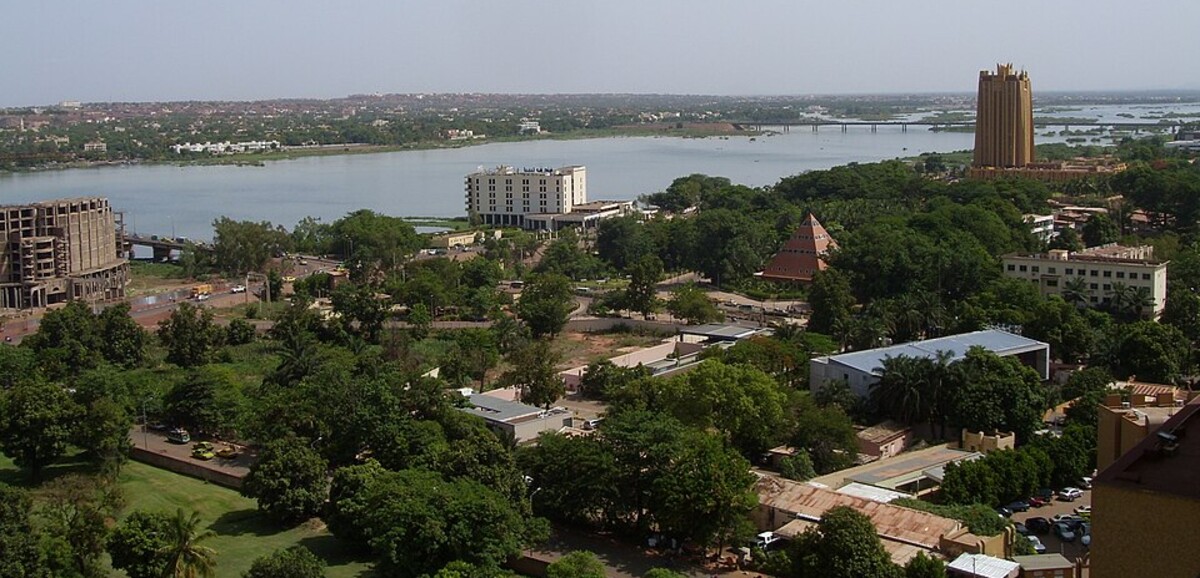
Mali blocus: Amnesty International warns of severe impact on civilians in Bamako
Human rights organization Amnesty International has urgently called on the jihadist Group for the Support of Islam and Muslims (JNIM) to halt its blockade of Bamako, Mali’s capital. The group has enforced the restrictions since April 30, significantly disrupting civilian movement and daily life.

Since April 30, Bamako, Mali’s bustling capital, has been under a strict blockade imposed by the JNIM, an armed faction linked to Al-Qaeda. The restrictions have paralyzed key transport routes, leaving residents facing severe hardships. Amnesty International, a global watchdog for human rights, issued a strong appeal on May 15, demanding the immediate lifting of the blockade to safeguard civilian mobility and safety.
Unacceptable consequences for civilians
The organization highlighted in a statement the “devastating impact” the blockade has had on ordinary citizens. It warned that prolonged restrictions could lead to “serious violations of basic rights, including access to food, healthcare, and safety”. The statement emphasized that targeting civilian vehicles violates international humanitarian law, which mandates clear distinctions between combatants and non-combatants during conflicts.
Amnesty International also cited a recent incident on May 6, where jihadists attacked a commercial convoy transporting fruits and goods between Bamako and Bougouni. The convoy, unescorted by military forces and carrying no military personnel or equipment, was deliberately targeted. The blockade has since forced several transport companies to suspend operations to and from Bamako, further isolating the city.


 Mariama Hamani