
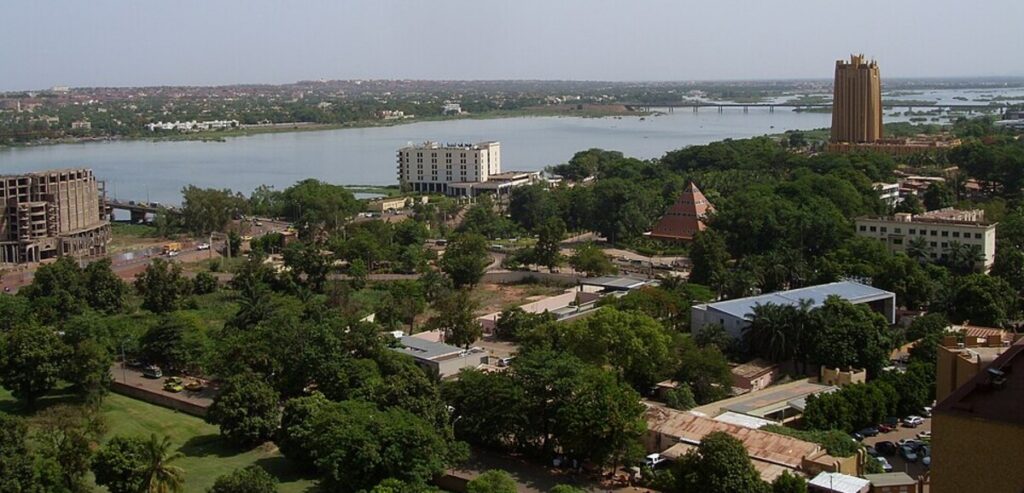
The capital city of Mali, Bamako, remains under a restrictive blockade enforced by the Groupe de soutien à l’islam et aux musulmans (JNIM). Since April 30, the city has faced significant constraints on movement, prompting urgent calls for the protection of civilian safety and the restoration of free passage. This situation follows a series of coordinated strikes on April 25 and 26, where JNIM forces, alongside the Front de libération de l’Azawad (FLA), targeted various strategic military installations across the country.
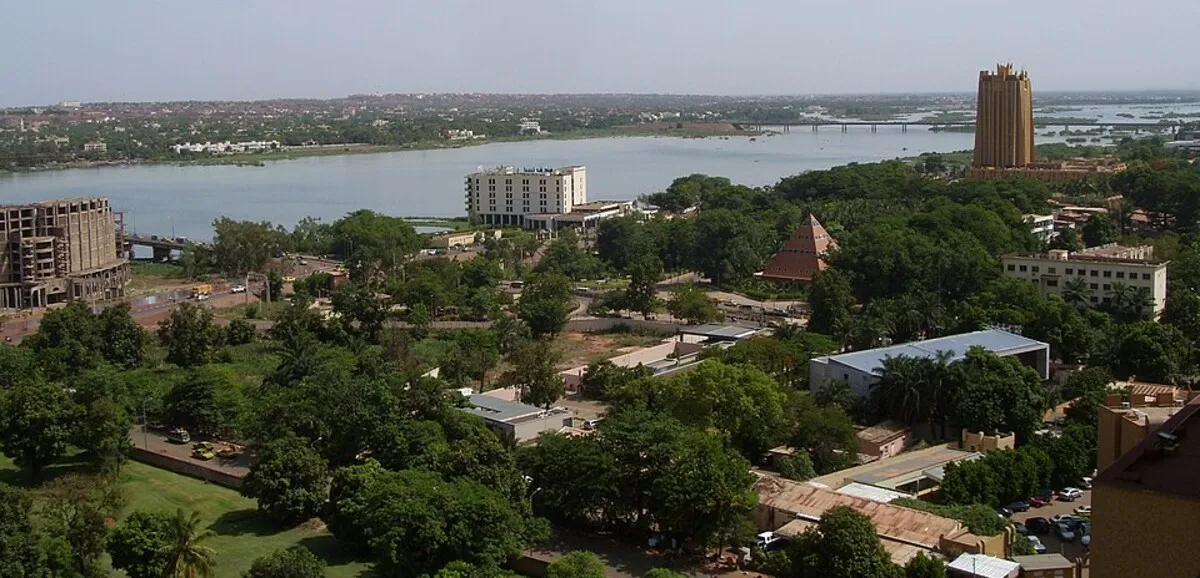
Severe threats to civilian life and rights
The ongoing siege is creating unacceptable consequences for the residents of Bamako. There are growing fears that the blockade will lead to critical violations of fundamental rights, specifically regarding medical access, food security, and the basic right to life. Under international humanitarian law, it is mandatory for all parties involved in an armed conflict to maintain a clear distinction between military targets and the civilian population.
Deliberate actions against non-military vehicles are considered illegal. A striking example occurred on May 6, when a convoy of civilian trucks transporting fruit between Bamako and Bougouni was targeted. These vehicles were not part of a military escort and carried no soldiers or equipment. The escalating insecurity has forced several transport firms to halt their operations to and from the capital, further isolating the city and its inhabitants.

More Stories
Mali blocus: Amnesty International warns of severe impact on civilians in Bamako
Marseille vs rennes: decisive clash for european football spot
Why bruno fernandes was deeply disappointed by declan rice’s arsenal move