Mariama Hamani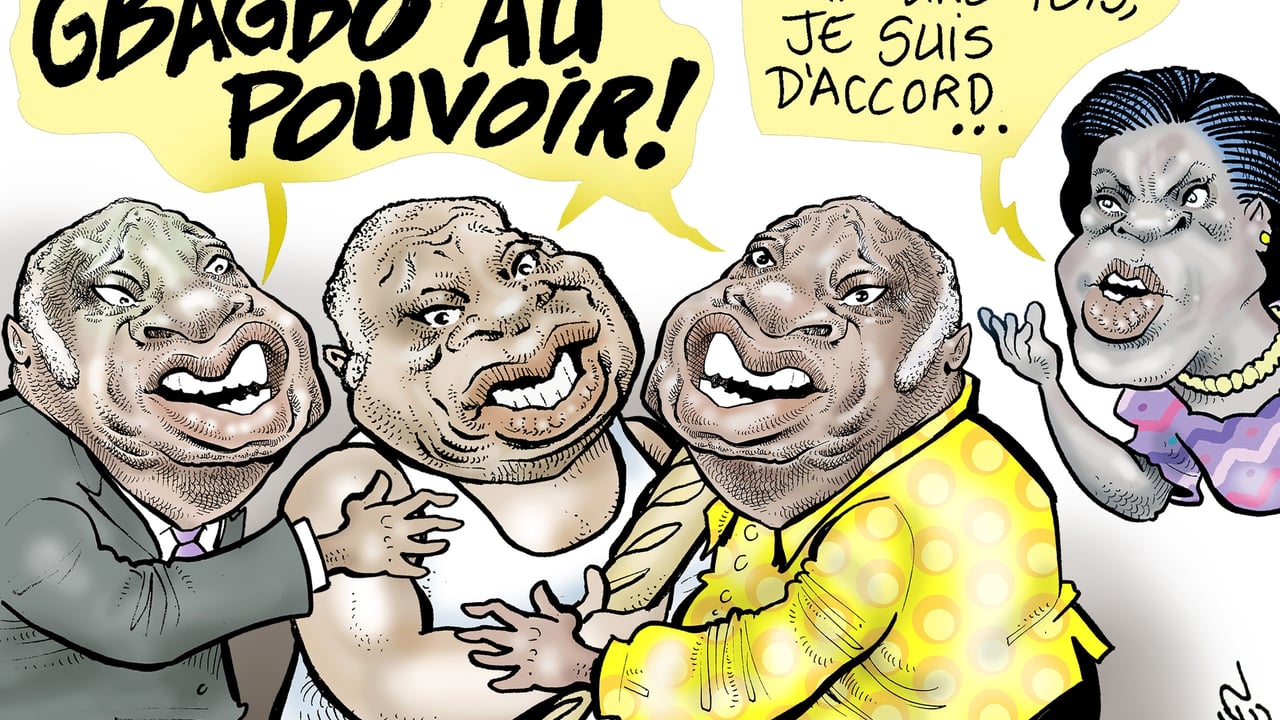
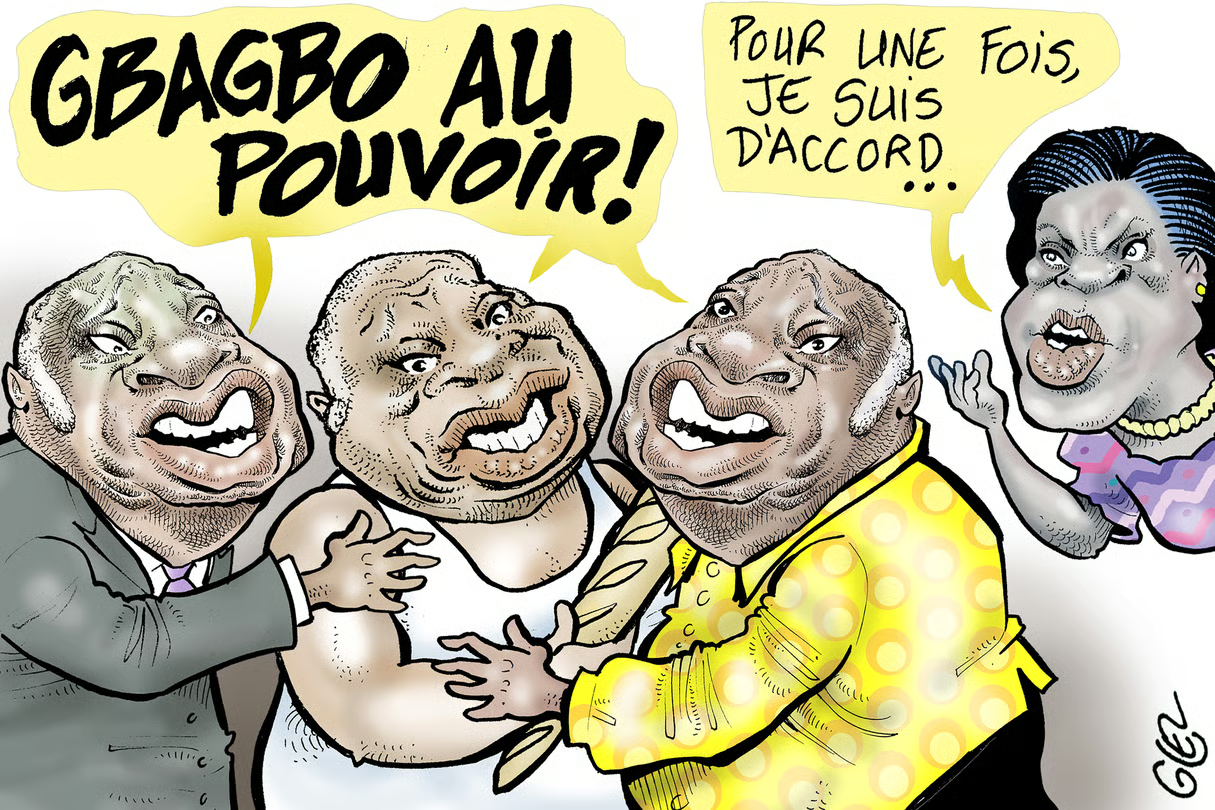
After months of speculation about his political future, former Ivorian President Laurent Gbagbo has been reaffirmed as the leader of the Parti des peuples africains-Côte d’Ivoire (PPA-CI). The decision came during the party’s first ordinary congress, held on May 14 and 15 at the Palais de la Culture in Treichville, Abidjan.
Gbagbo, who had previously hinted at stepping away from politics following his exclusion from the last presidential election due to a legal technicality involving his eligibility, now finds himself back in the spotlight. Political observers suggest his return may have been motivated by the unexpected decision of his long-time rival, Alassane Ouattara, to seek re-election—a move that reignited Gbagbo’s sense of purpose within his party.
Party renewal amid internal tensions
The congress, attended by over 3,000 delegates, was framed as a display of unity, with Gbagbo’s leadership renewed by acclamation. Yet beneath the surface, the gathering served as a means to address deep divisions within the PPA-CI. The party, which boycotted both the 2025 legislative elections and the previous presidential vote, has struggled to regain momentum since Gbagbo’s absence from the ballot.
A wave of dissent had swept through the ranks, with critics—including former vice-president Ahoua Don Mello—challenging the party’s direction. Mello, who ran as an independent in October’s presidential election, epitomized the growing frustration among members advocating for a generational shift in leadership and a renewed strategy. His exclusion from the congress reflected the party’s resolve to clamp down on internal dissent.
Purge and discipline
In a decisive move, the PPA-CI’s central committee expelled three prominent dissenters and suspended 62 others for periods ranging from three to eighteen months. Among those penalized were Prince Arthur Dalli, mayor of Lakota, independent deputy Stéphane Kipré, and academic Georges Armand Ouégnin. Their offense? Publicly opposing the party’s boycott stance and refusing to align with its official directives.
The congress also highlighted the party’s strategic contradictions. While Gbagbo’s re-election was presented as a vote of confidence, his absence from daily operations suggests a ceremonial role rather than hands-on leadership. Yet seasoned observers caution that the former president’s influence remains formidable, a reality underscored during his public address to delegates and the celebratory event held in Songon, his hometown.
As the PPA-CI grapples with internal fractures and an uncertain electoral future, Gbagbo’s continued presence at its helm signals more than just continuity—it reflects the enduring power of legacy in Ivorian politics.


 Boureima Amadou