Boureima Amadou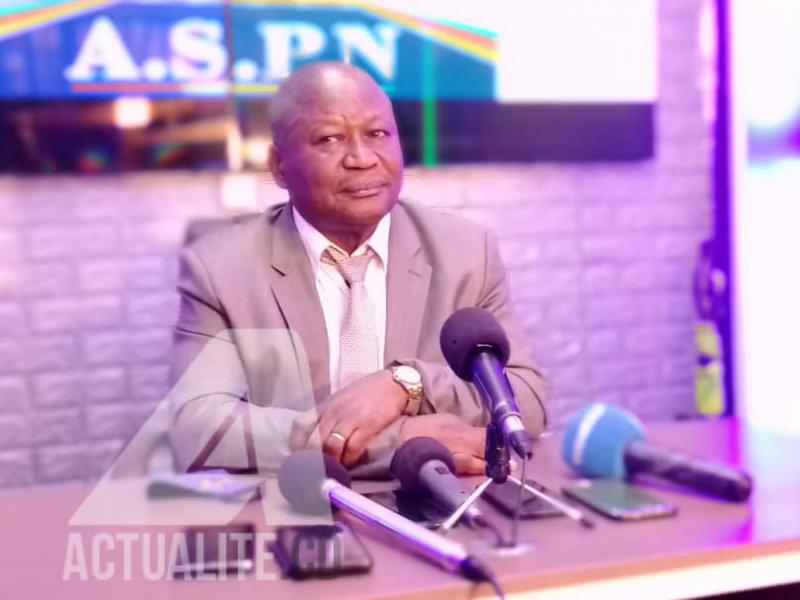
Human rights in DRC: Paul Nsapu highlights structural violations in Kinshasa versus severe abuses in the east
In a revealing interview on Tuesday, Paul Nsapu, Chairman of the National Human Rights Commission (CNDH) of the Democratic Republic of Congo (DRC), presented a stark contrast between human rights conditions in Kinshasa and the war-torn eastern provinces under the current administration of President Félix Tshisekedi.
While acknowledging modest legislative progress in the capital, Nsapu emphasized that Kinshasa still suffers from chronic violations of civil, political, economic, and social rights. These include access to employment, healthcare, and education—rights systematically undermined by decades of poor governance, ineffective policy implementation, and persistent underdevelopment that continues to erode the quality of life for ordinary citizens.
Eastern DRC: human rights in freefall
However, the situation in the eastern provinces—particularly in North Kivu, South Kivu, and parts of Ituri—represents a far more alarming crisis. According to Nsapu, this region is experiencing what he terms the “hard core” of human rights violations: the fundamental rights to life, security, and individual liberty are being systematically denied.
The CNDH chief pointed to the direct involvement of foreign armed forces operating within Congolese territory as a major aggravating factor. He specifically cited the presence of Rwandan military units and their allied local militias—groups that continue to operate with impunity in areas effectively outside the control of Kinshasa. This foreign intervention, combined with ongoing insurgencies and intercommunal violence, has created a humanitarian catastrophe where civilian populations face constant threats of displacement, kidnapping, and mass atrocities.
Systemic failure and regional implications
The stark dual reality outlined by Nsapu underscores a broader governance failure in the DRC. While the capital grapples with chronic structural deficiencies, the eastern territories are trapped in a cycle of violence fueled by external actors and unaddressed security vacuums. These conditions not only violate national and international human rights law but also pose a severe threat to regional stability across Central Africa.
As the CNDH continues to document abuses, its latest revelations call for urgent international attention and coordinated action to protect civilians, restore state authority, and hold accountable those responsible for perpetuating this humanitarian crisis.

 theafricantribune