Mariama Hamani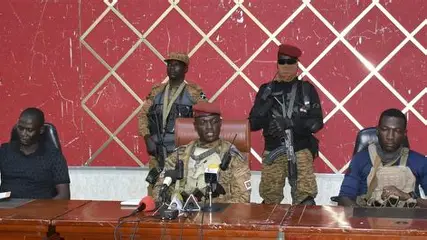
Captain Ibrahim Traoré’s unapologetic seizure of power
The recent statements from Captain Ibrahim Traoré, Burkina Faso’s transitional leader, have intensified discussions regarding the legitimacy and direction of his regime following the September 2022 coup. His remarks leave no room for ambiguity: he openly acknowledges that his ascent to power was achieved through unconstitutional means and frames this departure from democratic norms as an accepted political precedent.
This assertion is difficult to refute. Ibrahim Traoré did not ascend to the presidency through universal suffrage. His rise followed a military putsch that ousted Lieutenant-Colonel Paul-Henri Sandaogo Damiba, who had himself seized power in a prior coup against President Roch Marc Christian Kaboré. This chain of military takeovers underscores a fundamental rupture with the democratic processes that traditionally underpin a head of state’s legitimacy.
A dangerous precedent for governance
Critics argue that the issue extends beyond the circumstances of Traoré’s ascent. What is more alarming is the narrative that frames military force as a legitimate source of authority, provided it garners temporary public support. Such a stance, they warn, could normalize the use of arms as a means to seize power whenever dissatisfaction arises.
The implications are severe. If political legitimacy no longer depends on institutions, elections, or the rule of law but instead on the ability of armed factions to impose their will, Burkina Faso could be trapped in a cycle of chronic instability. In such a scenario, weapons would increasingly overshadow ballots as the primary instruments of governance.
Patriotism and sovereignty: insufficient pillars of governance
Proponents of the current regime often highlight the restoration of national sovereignty, the severance of ties with certain foreign powers, and the resurgence of patriotic sentiment fostered by official discourse. While these themes resonate with segments of the population, they cannot, in themselves, constitute a comprehensive governance record. History demonstrates that nationalist slogans, no matter how compelling, cannot substitute for tangible outcomes in economic stability, security, or institutional functionality.
Observers note a growing imbalance in governance priorities. Political communication now occupies an outsized role, with frequent speeches, ubiquitous patriotic symbolism, and amplified displays of support on social media. Meanwhile, the pressing challenges that justified the coup—counterterrorism efforts, territorial reclamation, and improving living conditions—remain unresolved.
Security and economic crises persist
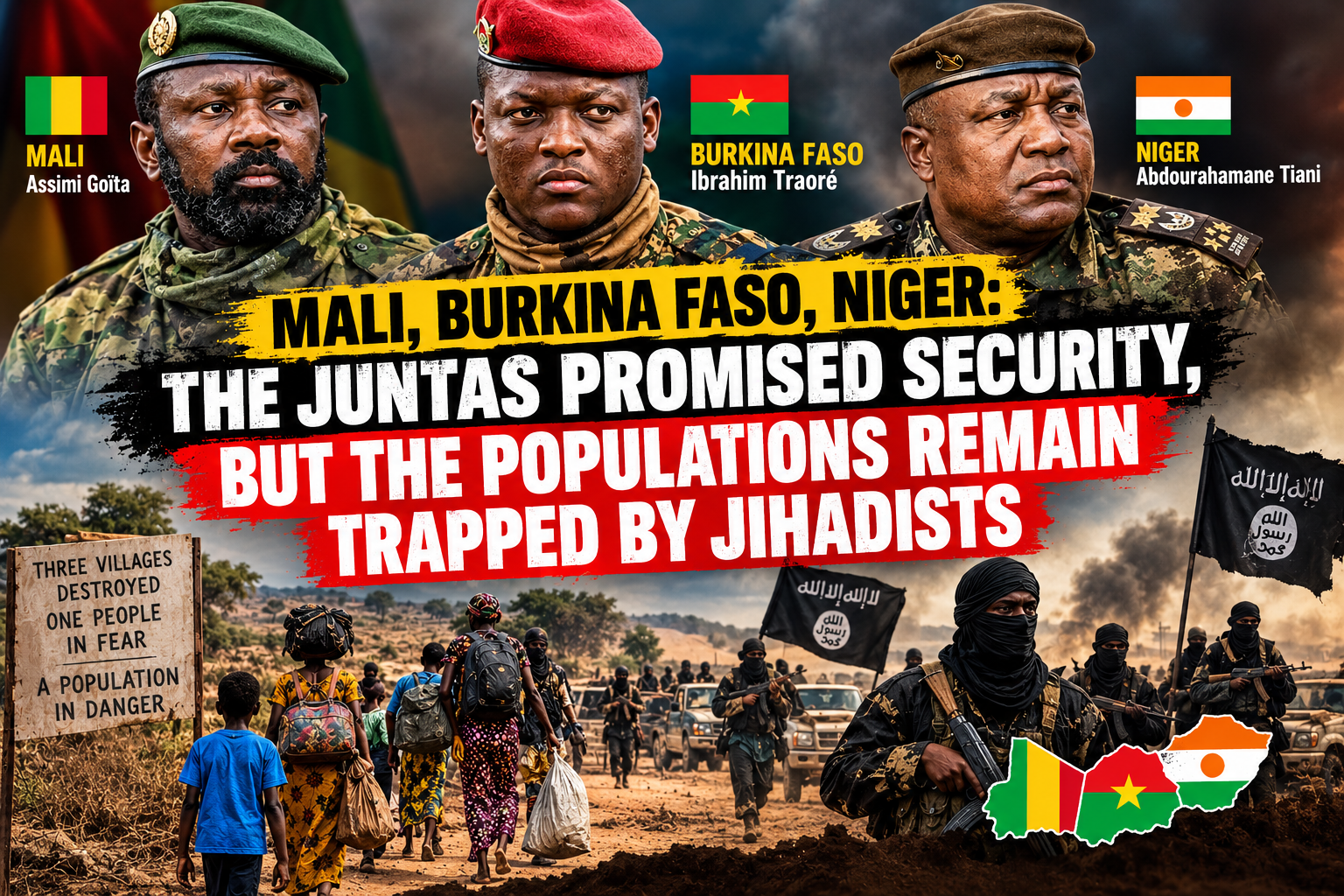
The most pressing concern remains security. Despite the announced military restructuring and counterterrorism initiatives, large swathes of the country continue to endure deadly attacks, mass displacements, and a humanitarian crisis affecting hundreds of thousands. In many regions, civilians live under the constant threat of armed groups, while access to healthcare, education, and public services remains severely constrained.
The economic landscape presents equally troubling indicators. Persistent insecurity has stifled agricultural productivity, disrupted domestic trade, and deterred investment. The population’s expectations—stable livelihoods, improved purchasing power, essential service access, and opportunities for future growth—remain largely unmet. The gap between these aspirations and the reality on the ground continues to widen.
The narrowing space for dissent
Critics also highlight the increasing centralization of power and the shrinking margins for dissent. Journalists, civil society actors, and opposition figures operate in an environment where questioning the regime is often equated with betraying the nation. This conflation of patriotism with uncritical support for the leadership represents a troubling deviation from democratic principles. In a functioning democracy, loyalty to the country does not necessitate blind approval of its rulers.
The adage “Jupiter renders mad those he seeks to destroy” resonates strongly in this context. It does not reflect a personal indictment but rather a timeless observation about the corrosive effects of unchecked power. History is replete with leaders who, intoxicated by their own popularity or sense of mission, came to view their personal survival as synonymous with national salvation. This mindset often leads to the rejection of criticism, the marginalization of opponents, and the conflation of personal destiny with that of the nation.
This is the risk currently confronting Burkina Faso. The more a leader consolidates power and presents their authority as absolute, the greater the likelihood they will lose touch with the realities faced by ordinary citizens. Applause at rallies, orchestrated demonstrations, and polished communications cannot replace rigorous, on-the-ground assessments of performance.
The true measure of leadership
Ultimately, a head of state’s legitimacy is not forged through force, slogans, or defiance but through adherence to institutional integrity, the protection of citizens, the safeguarding of fundamental freedoms, and the creation of sustainable improvements in quality of life. These are the benchmarks against which Ibrahim Traoré’s tenure will be judged. As long as the responses to the country’s security, economic, and social crises remain inadequate, the questions surrounding his legitimacy and the durability of his rule will continue to dominate Burkina Faso’s political discourse.

 Boureima Amadou