Boureima Amadou
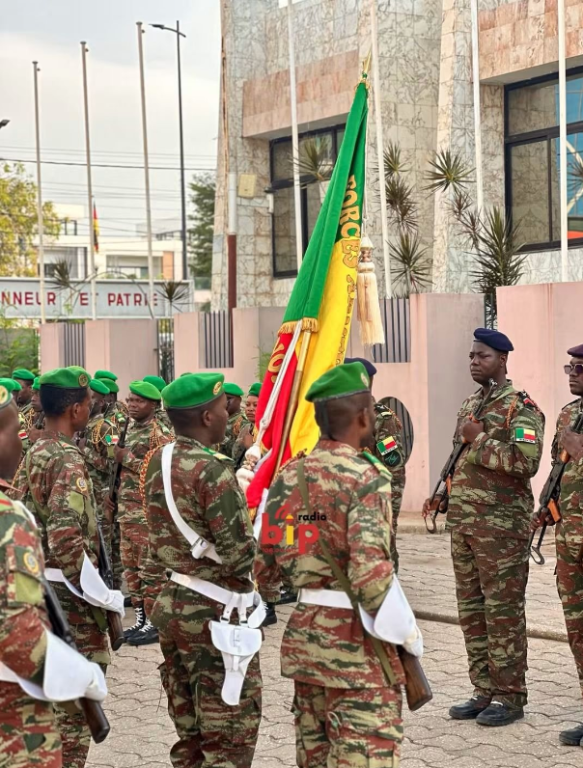
Cotonou summit signals decisive shift in Haiti-Benin defense cooperation
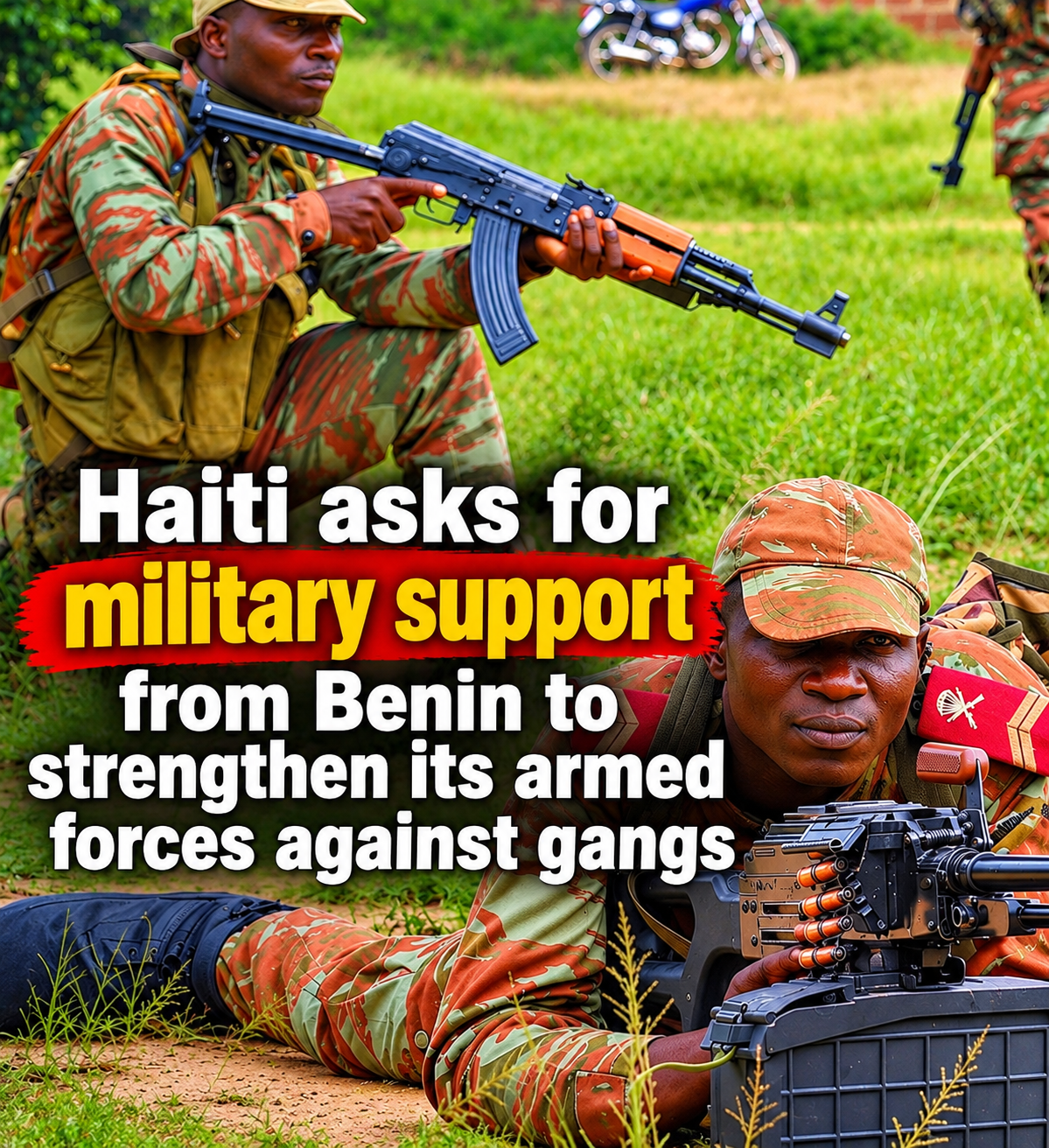
The military partnership between Haiti and Benin has reached a critical turning point with the ongoing working visit of Haiti’s top military chief, Lieutenant-General Derby Guerrier. The high-stakes engagement in Cotonou comes at a time when Port-au-Prince faces extreme security challenges, while Cotonou has previously signaled its willingness to contribute to international stabilization efforts in Haiti.
Strategic talks to reshape regional security collaboration
The meeting between General Guerrier and his Beninese counterpart, General Fructueux Gbaguidi, marks more than just a diplomatic formality. Held at the headquarters of Benin’s Armed Forces, this engagement reflects the urgent need for enhanced cooperation between two nations grappling with security threats in different contexts.
For Haiti, the crisis continues to escalate, with armed groups expanding their influence, public institutions crumbling, and security forces struggling to restore order across the country. In this climate, the development of Haiti’s armed forces and the search for viable partnerships have become national priorities.
Benin’s 2024 pledge: a promise yet to be fulfilled
The significance of this visit cannot be overstated. In February 2024, President Patrice Talon announced Benin’s readiness to contribute up to 1,500 troops to international security efforts in Haiti under the UN-backed Multinational Security Support Mission, potentially increasing the force to 2,000 service members. This commitment stemmed from a shared regional responsibility to address Haiti’s worsening instability.
However, this pledge has not yet translated into action. Concerns over command structure—particularly with a Kenyan police general leading the mission—along with operational, financial, and logistical uncertainties have delayed Benin’s deployment. These unresolved issues add weight to the current discussions in Cotonou, where the feasibility of future participation is once again being assessed.
A foundation for deeper military collaboration
The talks between Haiti’s and Benin’s military leaders open the door to deeper cooperation across key strategic areas—including military training, operational capacity building, intelligence sharing, and threat response planning. Both nations face complex security threats: Haiti battles urban gang violence, while Benin contends with rising terrorism in its northern regions amid broader Sahel instability and regional spillover risks.
The Beninese military has undergone significant modernization in recent years, adapting to new threats through enhanced human, material, and operational capabilities. This experience positions Benin as a valuable partner for Haiti’s armed forces, which are actively seeking to strengthen their organizational resilience and operational effectiveness.
For Generals Gbaguidi and Guerrier, the exchange is an opportunity to identify shared areas of interest and explore the potential for a more structured bilateral defense relationship.
Reimagining Haiti’s partnerships: South-South solidarity in action
This visit also reflects Haiti’s growing openness to diversify its international alliances. Historical, cultural, and social ties between Haiti and Africa provide a strong foundation for deeper institutional collaboration—one rooted in mutual support and knowledge sharing among Global South nations.
The Haiti-Benin dialogue could set a precedent for stronger South-South defense cooperation, focusing on practical solutions tailored to today’s security realities rather than relying solely on traditional Western-led initiatives.
From dialogue to deployment: what’s next for Haiti’s security?
While the Cotonou meetings signal renewed momentum, no official announcement has confirmed a new deployment of Beninese troops to Haiti. The question remains whether this visit will move the 2024 pledge from aspiration to action.
One thing is clear: the historical commitment made by Benin two years ago lends unprecedented weight to the current talks. The real test will come not just in the exchange of ideas, but in the ability of both militaries to translate this partnership into concrete, sustainable mechanisms—potentially leading to new forms of support for Haiti’s long-term stability.
The visit by Lieutenant-General Derby Guerrier could mark the beginning of a new chapter in Haiti-Benin military relations—one that demands more than words. The success of this partnership will be measured by action: real initiatives, measurable cooperation, and a shared commitment to turning the tide on Haiti’s security crisis.

 Mariama Hamani