Mariama Hamani
Deadly explosion in northern Ghana signals critical security moment
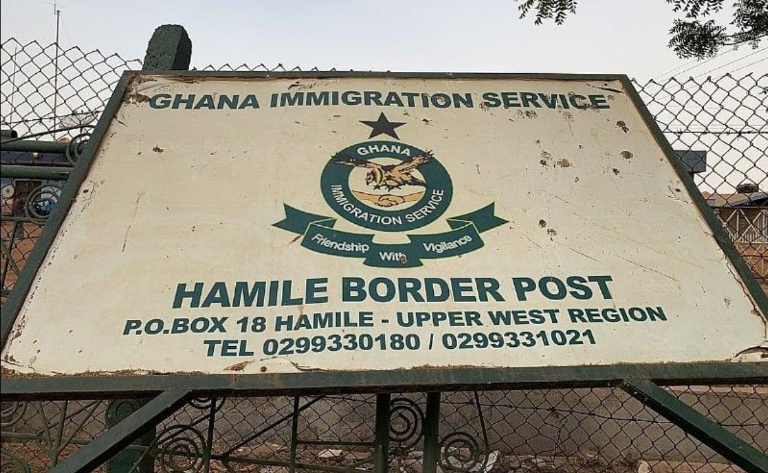
A fatal explosion in Hamile, a key border town in Ghana’s Upper West region near Burkina Faso, has claimed multiple lives — including an immigration officer — during an interception gone wrong. The blast, which occurred when security forces pursued a tricycle allegedly transporting suspected explosives like dynamite, has sent shockwaves through the region and exposed critical vulnerabilities in Ghana’s border security. Authorities are still investigating, but early reports suggest the tragedy underscores escalating risks from unregulated movement of dangerous materials across porous borders.
How a routine check spiraled into tragedy
The sequence of events leading to the explosion reveals a cascade of missteps and high-stakes tension. According to preliminary accounts from security sources, the tricycle was traveling on an unauthorized route near the border when officers attempted to stop it. The occupants reportedly refused to comply, prompting a pursuit that culminated in the fatal detonation. The explosion killed one immigration officer and critically injured another, while the civilians transporting the suspected explosives also perished in the blast. The full chain of events remains under investigation, but the incident has already raised urgent questions about operational protocols and the handling of explosive materials in border zones.
Hamile: a gateway under pressure
Hamile occupies a strategic — and increasingly precarious — position as a crossroads between Ghana and Burkina Faso. This bustling border town facilitates vital trade and human movement but also sits in the shadow of Burkina Faso’s deepening security crisis, marked by armed group attacks and mass displacement. While Ghana has ramped up border monitoring in response, the use of unapproved routes by smugglers and unauthorized travelers continues to strain enforcement efforts. The deadly blast now forces a reckoning: Can existing controls keep pace with evolving threats, or has the moment arrived for a fundamental rethink of border governance?
Regional instability casts long shadow over Ghana’s borders
This incident unfolds against a backdrop of rising instability across the Sahel, where jihadist violence has spilled over into neighboring countries. Though no evidence currently links the Hamile explosion to terrorism or militant groups, the proximity to Burkina Faso’s conflict zones amplifies concerns about spillover risks. Ghana has intensified vigilance in its northern regions, but the Hamile tragedy reveals a gap between heightened awareness and effective prevention. As smuggling networks exploit unmonitored paths, the question looms: Are border communities and trade corridors becoming unwitting conduits for greater insecurity?
From tragedy to transformation: a call for coordinated action
The loss of life in Hamile demands more than post-incident responses — it demands systemic change. Strengthening border security will require more than patrols; it calls for a holistic strategy integrating intelligence sharing, community engagement, and targeted crackdowns on illicit supply chains. Yet such measures must balance security with the livelihoods of border populations, whose survival often depends on cross-border trade. Finding this equilibrium will define Ghana’s ability to prevent future tragedies and protect its northern frontiers in an era of regional volatility.
What’s next: facts, accountability, and prevention
An official investigation is underway to determine the exact circumstances of the explosion, the origin of the explosives, and any criminal responsibility. In the interim, the nation watches closely. Will Hamile mark a turning point in border security, or will it fade into a grim footnote amid competing crises? One thing is clear: the status quo is no longer tenable. The time for decisive action has arrived — before the next deadly blast reshapes the narrative again.