Mariama Hamani
In the Democratic Republic of Congo, President Félix Tshisekedi has repeatedly emphasized the importance of national dialogue, yet its preparation has been met with intense skepticism from opposition factions. The detention of prominent opposition figure Prince Epenge has further strained relations, prompting the Coalition article 64 (C64)—a united front of opposition groups opposing constitutional changes and armed power grabs—to demand urgent meetings with both Tshisekedi and former President Joseph Kabila. As C64 leaders embark on a strategic tour across Europe, the critical question remains: what specific commitments are they seeking from these leaders and Western partners?
Why the opposition coalition is intensifying pressure on Congo’s leadership
Opposition unity in the Democratic Republic of Congo is hardening as the coalition C64—a collective of groups including the ECiDé party—accuses the current administration of systematically shrinking political freedoms. The coalition argues that recent detentions and restrictions signal a dangerous retreat from democratic norms, eroding trust in the national dialogue process touted by President Tshisekedi. By rejecting any constitutional amendments that could consolidate power or enable unconstitutional governance, C64 is staking a firm position: no meaningful progress can occur without tangible concessions.
Among the coalition’s key demands:
- Immediate release of political detainees: A clear signal that opposition voices will not be silenced through arbitrary arrests.
- Guarantees against constitutional violations: A binding commitment from leadership to uphold the existing constitutional framework.
- Inclusive dialogue with opposition leaders: Direct negotiations to ensure all stakeholders have a seat at the table.
- International accountability measures: Calls for Western partners to leverage diplomatic and financial influence to support democratic integrity.
Martin Fayulu: mapping a path forward amid escalating tensions
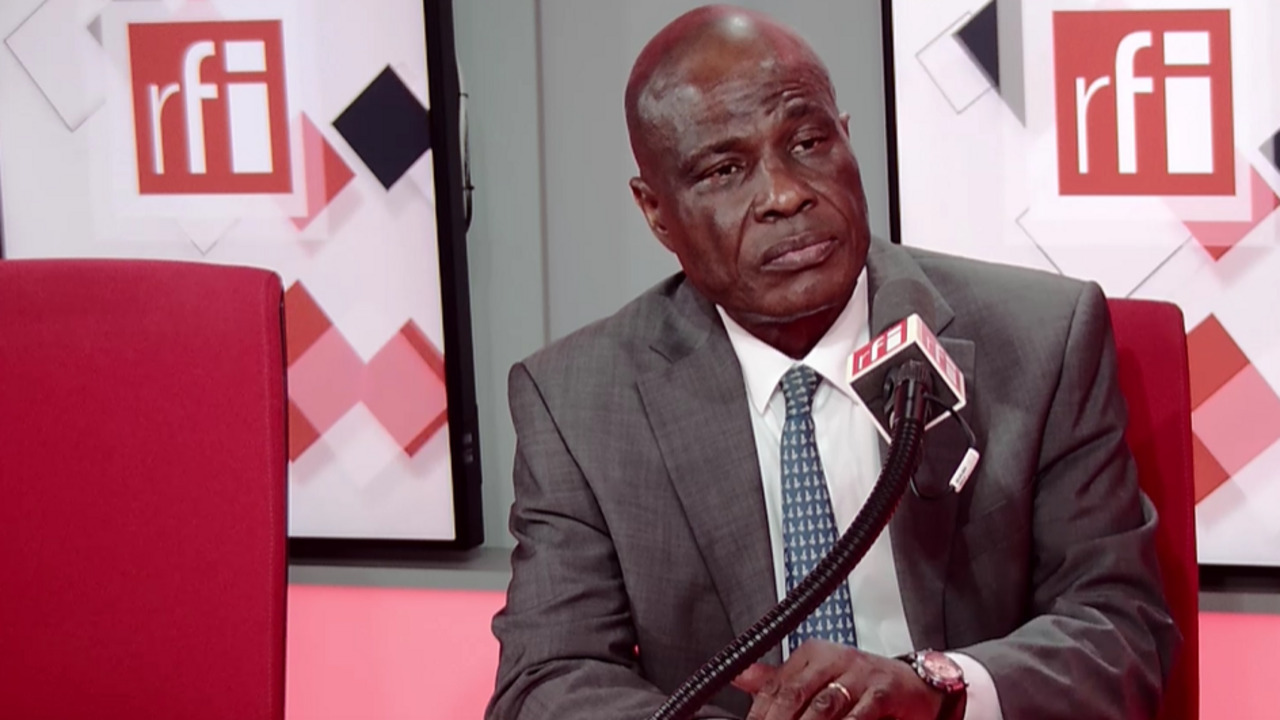
As the President of the ECiDé party and a vocal C64 spokesperson, Martin Fayulu has emerged as a pivotal figure in articulating the coalition’s strategy. In recent statements, Fayulu has framed the current moment not as a mere political standoff, but as a turning point for Congo’s democratic future. He insists that the opposition is not seeking to destabilize the country, but to restore balance and accountability in governance. His recent European tour reflects a calculated effort to rally international support for a cause he describes as nothing short of a national imperative.
Fayulu has framed the crisis as one of credibility—questioning Tshisekedi’s commitment to dialogue when the conditions for participation remain under threat. He points to the recent arrest of Prince Epenge as evidence of a broader crackdown on dissent, warning that such actions risk pushing the country toward deeper instability. His message is clear: without decisive concessions from the leadership, Congo’s political crisis will only deepen, with consequences for both citizens and regional stability.
International partners urged to play a decisive role in Congo’s political future
The C64 coalition is making a bold play for international intervention, urging Western governments and multilateral organizations to recognize the severity of Congo’s democratic backsliding. Fayulu argues that the current trajectory is unsustainable, with potential ripple effects across Central Africa. By prioritizing dialogue over repression and committing to constitutional integrity, he suggests, Congo could set a regional example. However, he warns that continued inaction risks normalizing authoritarian tendencies and eroding trust in democratic institutions.
The coalition’s message to the international community is twofold:
- Diplomatic pressure must intensify: Western partners should condition development assistance and political engagement on respect for democratic rights and freedoms.
- Support independent mediation efforts: Facilitate a neutral platform for dialogue that includes all opposition factions, ensuring no voice is sidelined.
What’s next for Congo’s opposition and its leadership?
The path forward remains uncertain, but one thing is clear: the opposition is no longer willing to accept the status quo. With Fayulu leading the charge, C64 is doubling down on its demands for structural reforms and immediate action to reverse the erosion of democratic space. For President Tshisekedi, the choice is stark. He can either embrace a genuine, inclusive dialogue or face a growing coalition that is prepared to push harder—and louder—for change. Meanwhile, the international community watches closely, knowing that the stability of Congo hinges on the choices made in the coming weeks.
As Fayulu prepares to meet with European officials, the stakes could not be higher. Will Congo’s leadership heed the call for change, or will the crisis spiral further out of control? One thing is certain: the moment for decisive action is now.