Boureima Amadou
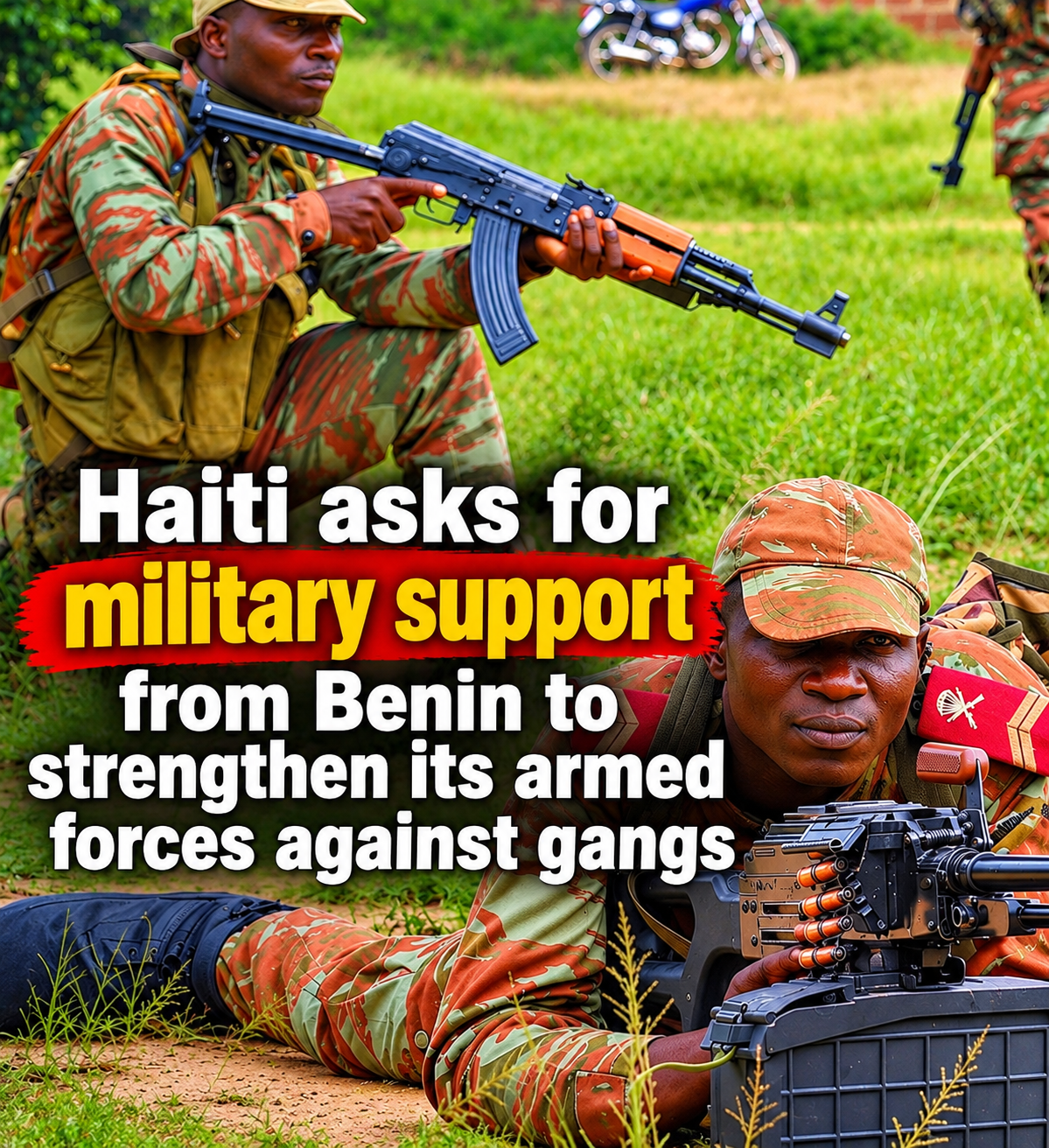
As armed gangs tighten their grip on key regions of Haiti, Port-au-Prince has initiated a decisive pivot toward African military expertise to bolster its own defense capabilities. The move underscores a strategic reassessment of security measures, with Benin emerging as a pivotal partner in strengthening Haiti’s armed forces through targeted training and operational best practices.
Why Haiti is turning to Benin for military support
Haiti’s ongoing security crisis has reached a turning point, with armed gangs exerting control over vast urban and rural territories. The resulting instability has crippled economic activity, disrupted governance, and endangered civilian populations. In response, Haitian authorities have sought innovative solutions to enhance the operational readiness of their national forces. This has led to formal discussions with Benin, a nation with firsthand experience in countering asymmetric threats and insurgent groups.
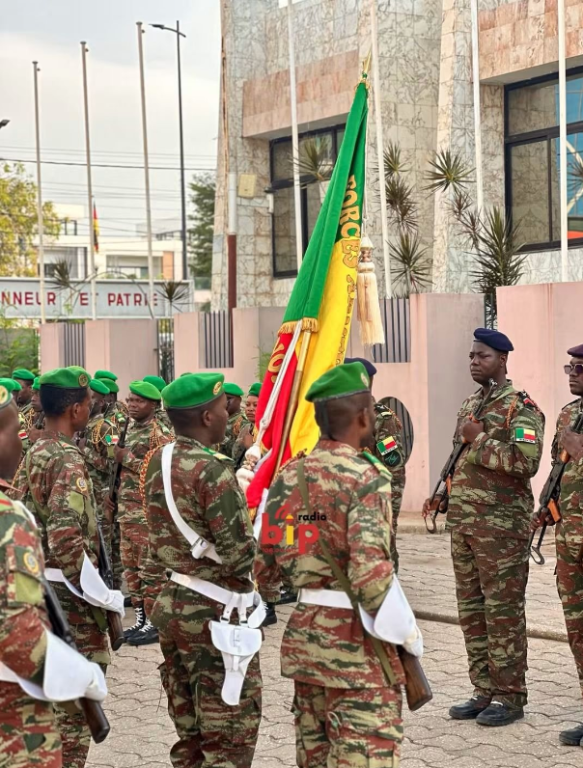
On November 3, 2026, high-level military delegations from both nations convened in Cotonou to lay the groundwork for a cooperative training framework. The objective: to equip Haitian soldiers with advanced tactical skills, leadership development, and crisis-response strategies tailored to the unique challenges of urban gang warfare.
From shared challenges to strategic collaboration
Benin’s selection as a partner reflects its proven track record in combating regional insecurity. While Haiti grapples with gang-controlled zones, Benin has successfully addressed threats in its northern regions through adaptive military reforms and precision training programs. Both nations now aim to harness this shared experience to refine Haiti’s defense strategy.
This collaboration emphasizes knowledge transfer over hardware solutions. Rather than focusing solely on equipment procurement, the initiative prioritizes human capital development ensuring that Haitian troops are prepared to navigate complex operational environments with discipline, coordination, and decisive action. Key areas of focus include:
Enhanced situational awareness and intelligence integration
Tactical urban combat and hostage-rescue operations
Ethical leadership and civilian protection protocols
Inter-service coordination and joint operational planning
The role of military training in reshaping Haiti’s security landscape
A nation’s defense capabilities extend beyond troop numbers or weaponry. The quality of training, the rigor of command structures, and the adaptability of forces determine their effectiveness in real-world scenarios. For Haiti, where gangs exploit fragmented security institutions, a structured training regimen is indispensable.
The Benin-led program is designed to address critical gaps in Haiti’s military preparedness. By emphasizing field-ready competence rather than theoretical instruction the initiative aims to produce soldiers capable of:
Executing precision raids on gang strongholds
Maintaining operational security in high-risk zones
Protecting civilian infrastructure and humanitarian corridors
Collaborating with international peacekeeping actors
Yet, the success of this partnership hinges on its execution. Superficial training without follow-through risks leaving Haiti’s forces underprepared. Authorities must ensure that lessons learned translate into measurable improvements in security operations.
A model for Southern defense collaborations
Haiti’s decision to collaborate with Benin signals a broader trend: African nations are increasingly looked to for solutions to localized security crises. This shift challenges the traditional reliance on Western military aid, highlighting the value of South-South cooperation in addressing asymmetric threats.
Benin’s experience offers tangible advantages:
Cultural and operational familiarity with similar threats
Cost-effective, scalable training models
A focus on indigenous innovation rather than imported tactics
Long-term institutional strengthening through mentorship
For Haiti, this partnership represents more than a temporary fix it is a strategic investment in sustainable capacity-building.
Measuring success: the path forward for Haiti’s military renewal
The November 2026 talks in Cotonou mark a significant step, but the true test lies in implementation. To gauge progress, Haitian officials will need to evaluate improvements across several metrics:
Operational readiness: Reduction in gang-controlled territories through military action
Institutional resilience: Strengthened command structures and accountability mechanisms
Civilian protection: Decreased collateral damage and increased humanitarian access
Strategic autonomy: Reduced dependence on foreign interventions
While no single solution can resolve Haiti’s multifaceted crisis, the Benin partnership offers a promising avenue to rebuild local defense capabilities. The coming months will determine whether this collaboration can transition from dialogue to decisive action one that restores order and reaffirms Haiti’s sovereignty.
One thing is clear: in the fight against armed gangs, Haiti’s future security depends not only on external support but on the will to transform training into tangible results.
By Boureima Amadou — Journalist