Boureima Amadou
From Moscow to Beijing: a major shift in Africa’s military alliances
The narrative of Russia as Africa’s top arms supplier has dominated headlines, especially in the Sahel. But beneath the geopolitical headlines, a different story is unfolding. New data reveals a decisive turning point: Moscow is no longer the dominant force in Africa’s military supply chain. Instead, Washington and Beijing have seized the lead, reshaping the continent’s security partnerships in ways few anticipated.
The latest figures from the Stockholm International Peace Research Institute (SIPRI), released in early 2026, expose a clear hierarchy. Between 2021 and 2025, the United States accounted for 19% of Africa’s major arms imports—ranking first on the continent. China followed closely at 17%, while Russia, long depicted as the go-to military partner, fell to third place with 15%. In Sub-Saharan Africa, the gap widens further: China leads with 22% of major arms imports, ahead of Russia (12%) and Turkey (11%).
This data dismantles a long-standing myth: Africa’s security future is not being shaped by one power alone. The continent is diversifying its alliances—and the consequences could redefine counterterrorism efforts for years to come.
China’s strategic rise: more than just weapons sales
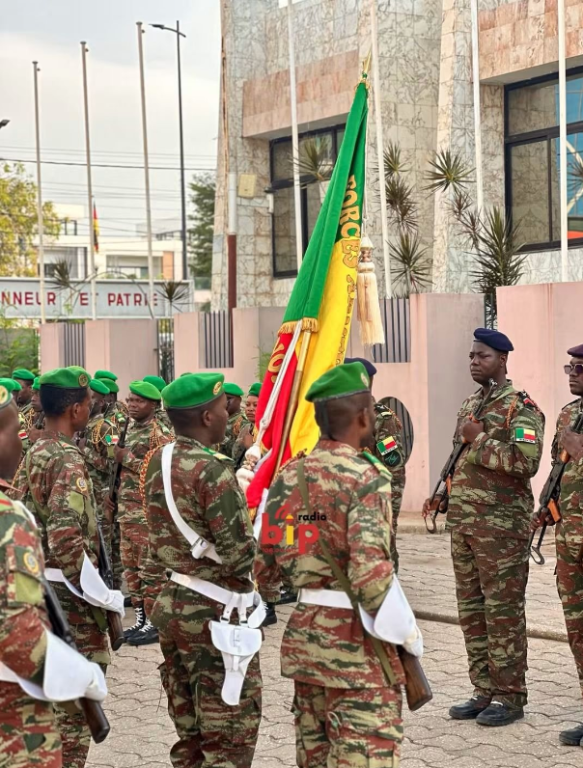
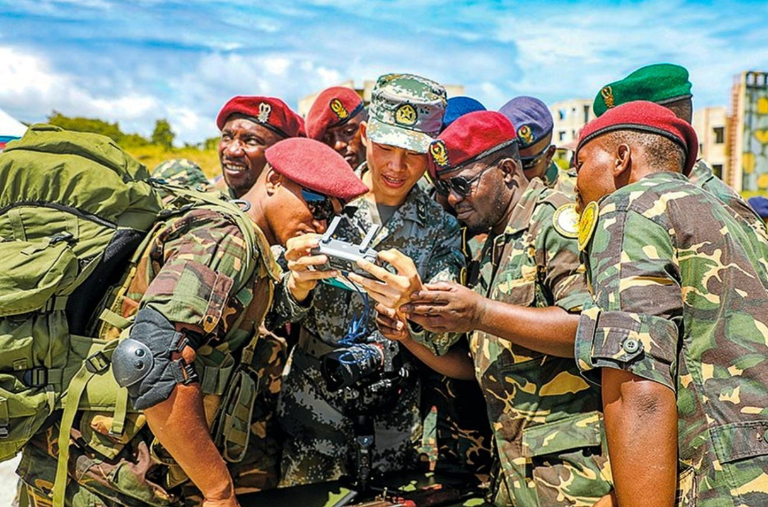
Beijing has transformed from a rising player into the dominant force in Africa’s defense landscape. Unlike traditional arms exporters, China offers not just firepower but a full ecosystem of military support. In 2024, Burkina Faso received 116 infantry transport vehicles and six assault vehicles from China, according to SIPRI data reported by regional observers. Mali strengthened its partnership with NORINCO, securing armored vehicles, training, and technology transfer agreements—a rarity in foreign defense deals.
China’s strategy goes beyond delivery. It provides integrated support: drones for surveillance and strike, air defense systems, radar, and transport aircraft. These systems are tailored to the operational realities of African armies facing insurgencies and terrorist attacks. Mobility, reconnaissance, and protection are now at the heart of the continent’s counterterrorism toolkit—and China is supplying the tools.
What sets China apart is its ability to merge defense contracts with broader strategic partnerships. Training programs, maintenance infrastructure, and even technology transfer create long-term dependencies. For African governments, this means more than just firepower—it means sustainable operational capacity.
Russia’s fading influence: visibility over volume
Despite its high-profile military presence in Central African Republic and Mali—through Wagner remnants reorganized under the Africa Corps—Russia’s commercial footprint is shrinking. The SIPRI data tells a stark story: Russian arms exports worldwide plummeted by 64% between 2016–2020 and 2021–2025. Sanctions, global isolation, and the war in Ukraine have throttled Moscow’s ability to supply arms at scale.
Yet Russia’s influence remains strong where it counts: on the ground. It deploys military advisors, trainers, and operational support teams, often under the guise of private military companies. This presence boosts visibility and political leverage but does not translate into dominance in arms contracts. Africa’s governments are increasingly seeking partners who can deliver both weapons and long-term capability—not just a show of force.
The contrast is clear: Russia sells influence through boots on the ground; China sells self-sufficiency through technology and infrastructure.
The real test for Africa: beyond weapons, what matters most?
Africa’s fight against terrorism is not won by the volume of arms imported—it’s won by the effectiveness of the systems in place. Intelligence sharing, cross-border cooperation, state presence in remote zones, and well-trained forces are the linchpins of lasting security. Yet too often, the focus remains on hardware alone: drones, armored vehicles, rifles.
This narrow lens overlooks critical needs. Maintenance cost, spare parts availability, technological compatibility, and training depth determine whether equipment becomes a strategic asset or a liability. With China and the U.S. now leading the supply chain, African nations gain options—but also face new challenges. Diversification brings resilience, but it also introduces complexity in logistics, standards, and maintenance chains.
One thing is certain: Africa is no longer dependent on a single military partner. The era of unchallenged Russian dominance is over. What emerges is a more competitive, more balanced landscape—one where choice, not dependence, drives security decisions.
A balanced future: diversify to dominate
The coming years will reveal whether this shift translates into real security gains. Can African armies integrate Chinese systems without becoming overly reliant? Can Washington’s defense partnerships deliver the training and coordination needed to outmaneuver insurgent groups? Can Moscow regain commercial footing, or will its influence continue to shrink?
One fact is undeniable: the African military supply chain is in motion. Beijing’s rise, Washington’s comeback, and Moscow’s decline form a new strategic triangle. Governments across the continent are watching—and acting. The question is no longer who sells the most weapons. It’s who can deliver the most durable security.
In 2025, Africa is writing a new chapter in its military history—not by choosing a single patron, but by building a network of partners that reflect its ambitions, its needs, and its future.