Boureima Amadou
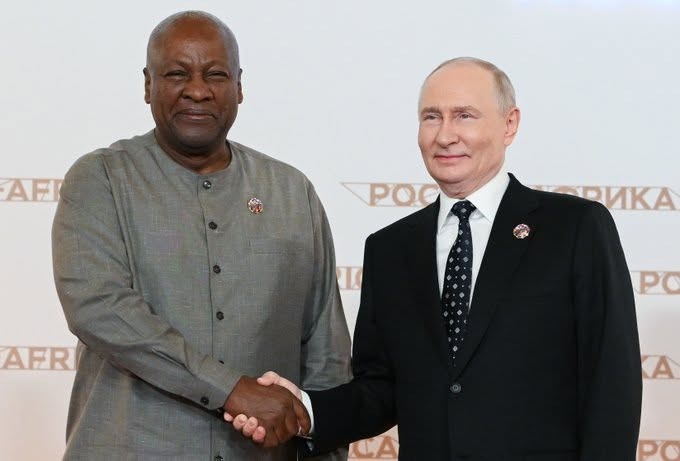
The dramatic about-face by Ghana’s leadership, securing a pledge from Moscow to halt the recruitment of Ghanaian fighters in Ukraine, isn’t a moral awakening—it’s a chilling admission of a state-backed human trafficking ring. Beneath the polished handshakes and diplomatic niceties of global summits, a harsh reality has surfaced: hundreds of young Africans, lured by hollow promises of wealth amidst crushing poverty, have been sacrificed in the brutal trenches of a war foreign to them. With at least 62 Ghanaians confirmed dead and a dozen more missing in action, this modern mercenary trade represents a level of exploitation and cynicism unprecedented in contemporary history.
From colonial relics to modern-day cannon fodder: The evolution of exploitation
The blueprint used by Russian-linked networks surpasses even the dark colonial legacy of forced conscription. While historical oppressors relied on brute force and direct subjugation under imperial flags, Moscow’s strategy is far more insidious. It no longer coerces through bayonets but preys on the despair of a generation abandoned by failed leadership across Africa.
Recruiters—many operating under the protection or direct orders of Russian state actors—hawk job contracts promising life-changing salaries, European passports, or fast-tracked citizenship. The targets? University graduates with bleak futures, single mothers struggling to feed their children, and young men with no legal pathways to prosperity. These recruits are then deployed to the deadliest sectors of eastern Ukraine, serving as disposable human shields to preserve Moscow’s regular combat units. This isn’t just mercenarism—it’s a predatory business model trading human lives at bargain prices to fuel imperial geopolitical ambitions.
Putin’s quiet guilt: From silent complicity to reluctant accountability
The very fact that an African head of state had to negotiate directly with Vladimir Putin—demanding an end to the enlistment of his citizens and the repatriation of their remains—exposes the raw asymmetry of post-colonial power dynamics. For months, the Kremlin either turned a blind eye or actively enabled this hemorrhage of African youth to fuel its war machine. Now, the sudden commitment to halt recruitment reads less like ethical reform and more like an admission that this pipeline was a deliberate, state-sanctioned strategy.
The double tragedy: A continent’s future mortgaged to foreign empires
This crisis underscores a brutal paradox facing millions of young Africans. Trapped between corrupt local regimes that offer no dignified livelihood and foreign powers that exploit their desperation, they are caught in a geopolitical vise. As long as African governments fail to provide economic security, education, and real sovereignty—protecting citizens instead of abandoning them—external powers will continue to mine this reservoir of hardship to sustain their endless wars. Until dignity and opportunity replace despair, the trafficking of African youth will remain indelibly stained on the conscience of global power games.
Who’s really paying the price? The invisible cost of modern warfare
Far from the boardrooms of Brussels or the halls of the UN, the true human cost of this mercenary pipeline is being tallied in rural villages, overcrowded urban settlements, and unmarked graves in Ukraine. Each life lost or broken represents not just a family shattered, but a continent’s stalled potential—replaced by the cold arithmetic of war.
A call to action: Reclaiming human dignity from the shadows of empire
The solution isn’t diplomatic pressure alone. It demands a continent-wide reckoning: stronger governance, economic investment in youth, and a refusal to let foreign powers treat African lives as expendable currency. The question isn’t whether Moscow will stop recruiting—it’s whether Africa will finally say enough is enough.

 Mariama Hamani