Mariama Hamani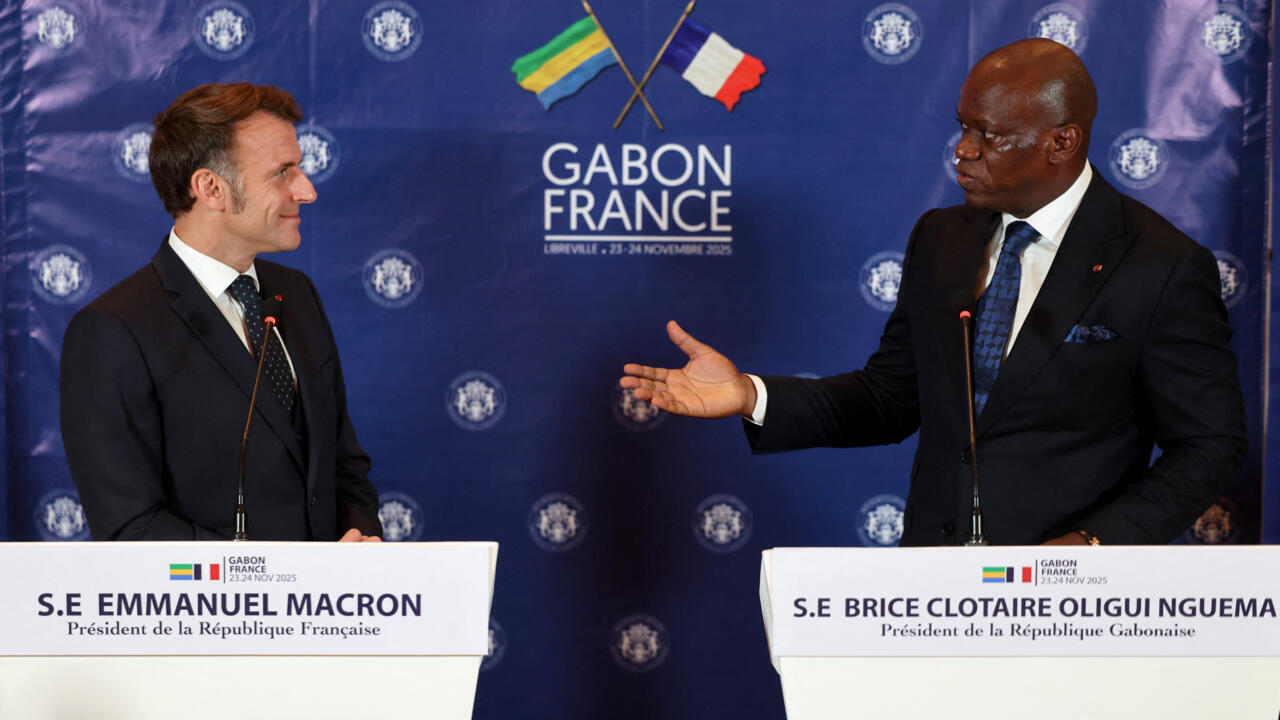
On Monday, July 20, President Brice Clotaire Oligui Nguema of Gabon arrived in Paris for a State visit to France. This high-level engagement underscores the enduring partnership between the two nations, despite shifting dynamics in Franco-African relations.
Nestled in Central Africa, Gabon is a modest oil-producing nation rich in mineral resources. Its long-standing relationship with France remains unshaken, even as other African countries reassess their cooperative frameworks with Paris. This stability is a focal point of discussion for Bergès Mietté, a political science lecturer at the International University of Libreville, who examines Gabon’s unique position in France’s African policy.
a historic alliance under scrutiny
Gabon’s diplomatic stance with France has often been described as an exception in Africa. While many nations on the continent are recalibrating their engagements with former colonial powers, Gabon continues to reinforce its ties with Paris. This continuity stems from decades of economic, political, and cultural cooperation that have shaped the two countries’ mutual interests.
According to political observers, Gabon’s approach is strategic, balancing national sovereignty with pragmatic collaboration. The visit of President Oligui Nguema aims to further solidify these bonds, particularly in sectors like energy, defense, and infrastructure development.
economic and geopolitical implications
Gabon’s economy, heavily reliant on oil and minerals, benefits significantly from its relationship with France. French companies remain key players in Gabon’s extractive industries, while Paris views Libreville as a reliable partner in Central Africa. This interdependence is expected to be a central theme during the visit.
Moreover, Gabon’s stability—amid regional instability—positions it as a potential mediator in regional conflicts. France, in turn, sees Gabon as a stabilizing force in a volatile subregion. The visit is likely to explore avenues for enhanced security cooperation and joint initiatives to address transnational challenges.
the voice of gabonese academia
Bergès Mietté highlights that Gabon’s foreign policy is not merely a reflection of its economic ties with France but also a deliberate choice to maintain continuity. In an era where many African nations are diversifying partnerships, Gabon’s strategy is seen as a calculated move to preserve its interests while navigating global power shifts.
Mietté notes that Gabon’s leadership views France as a long-term ally, one that has consistently supported the country’s development goals. This perspective is expected to resonate during the visit, as both nations reaffirm their commitment to mutual growth and stability.
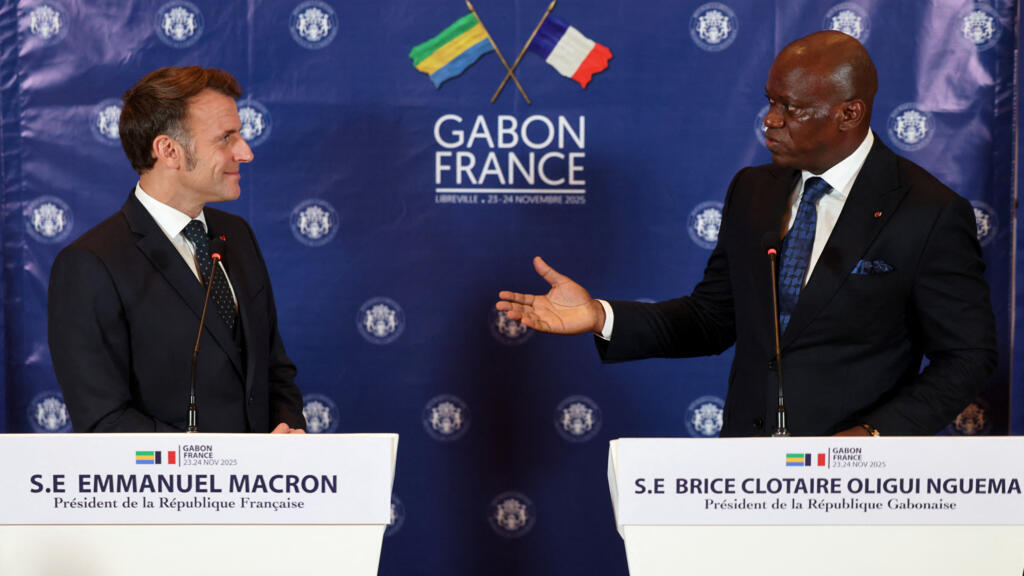
As President Oligui Nguema’s delegation engages with French officials, the focus will be on reinforcing existing agreements while exploring new opportunities. The visit is seen as a testament to Gabon’s ability to maintain strong alliances even in a changing global landscape.
For Mietté, this continuity is not just a diplomatic choice but a reflection of Gabon’s broader vision for its future. By prioritizing stability and collaboration with France, Gabon positions itself as a key player in Central Africa, capable of influencing regional dynamics while safeguarding its national interests.