Mariama Hamani
The state of democracy across Africa in 2024
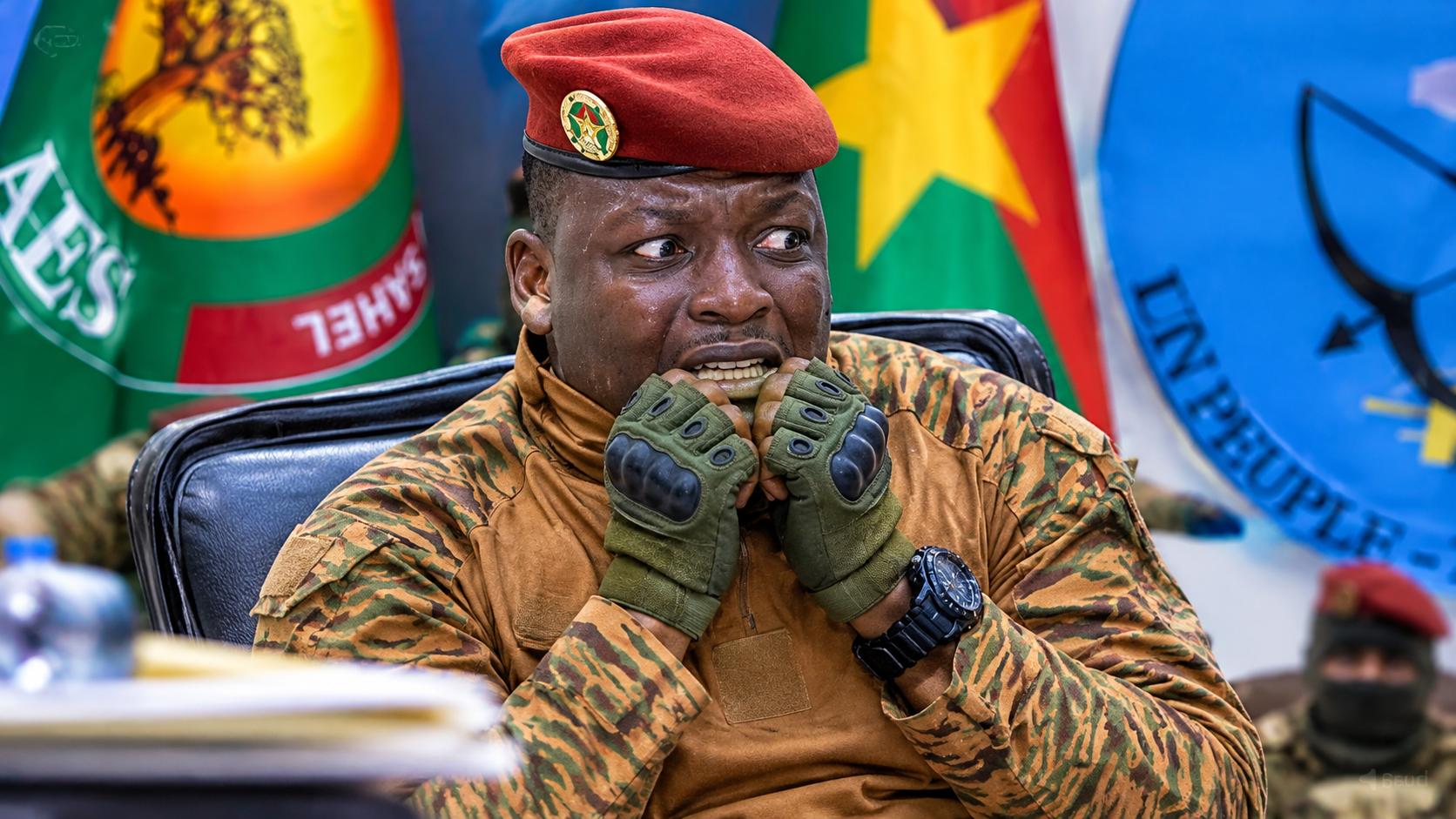
Recent years have seen Africa grapple with significant political upheavals. Since 2020, the continent has experienced nine military takeovers, replacing democratically elected leaders with authoritarian regimes. This trend underscores a growing disillusionment with traditional democratic frameworks that have, in many cases, failed to deliver stability or prosperity.
The shifting geopolitical landscape has further complicated the situation. African nations are increasingly aligning with the Global South, challenging Western influence and exploring alternative governance models. The 1990 speech by François Mitterrand in La Baule, which tied aid and development support to democratic reforms, has not yielded the expected results. Instead, some countries have embraced illiberal governance, prioritizing sovereignty over Western-style democracy.
Challenges to democratic norms
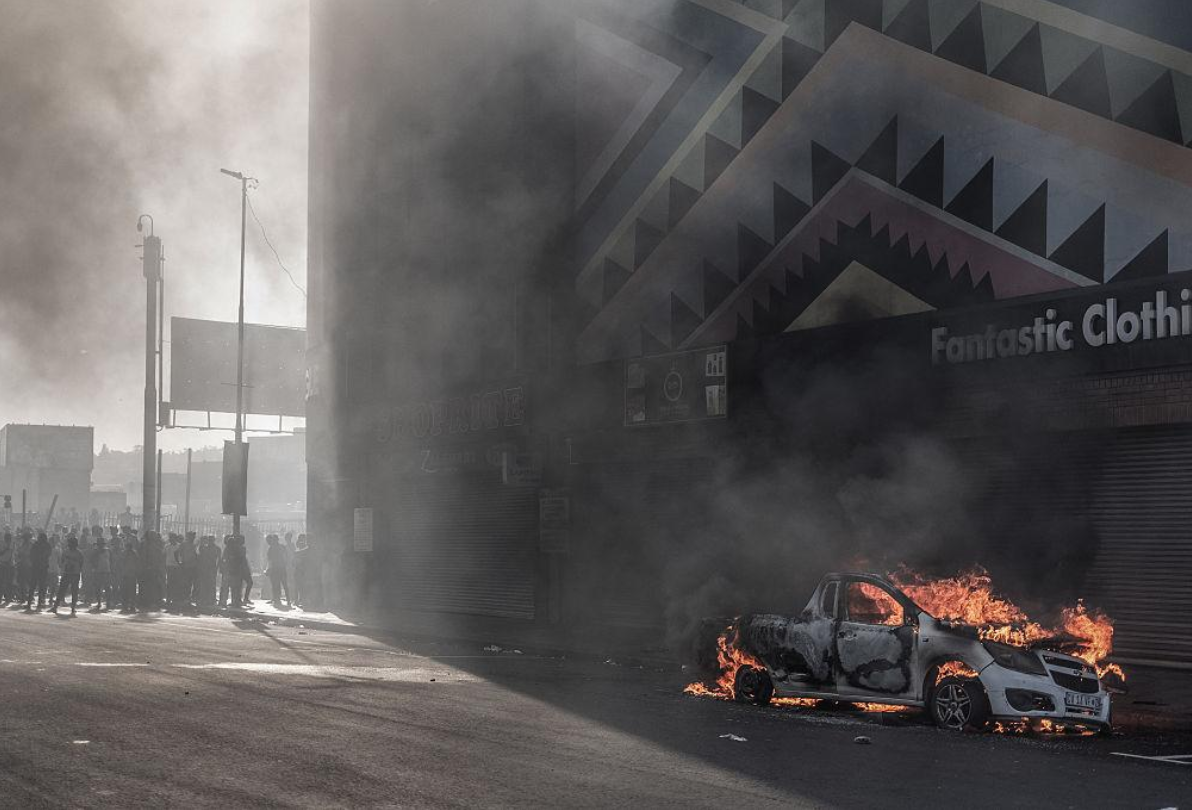
The erosion of democratic norms is evident in several African countries, where elections have been marred by irregularities or outright cancellations. The rise of military-led governments, often justified as necessary for stability, has raised concerns about long-term governance deficits. These developments reflect a broader skepticism toward externally imposed democratic models, which many Africans view as incompatible with local realities.
As African nations navigate this complex terrain, the balance between sovereignty and democratic accountability remains precarious. The continent’s evolving political landscape demands a nuanced understanding of these dynamics, particularly as global alliances shift and new governance paradigms emerge.

 Boureima Amadou