Boureima Amadou
With Nigeria confirming its first Ebola case in years, Cameroon is at a decisive turning point—ramping up emergency measures as health officials brace for the worst. The urgency is palpable: a porous 1,500-kilometer border and a struggling health system already overwhelmed by cholera outbreaks in the Far North region.
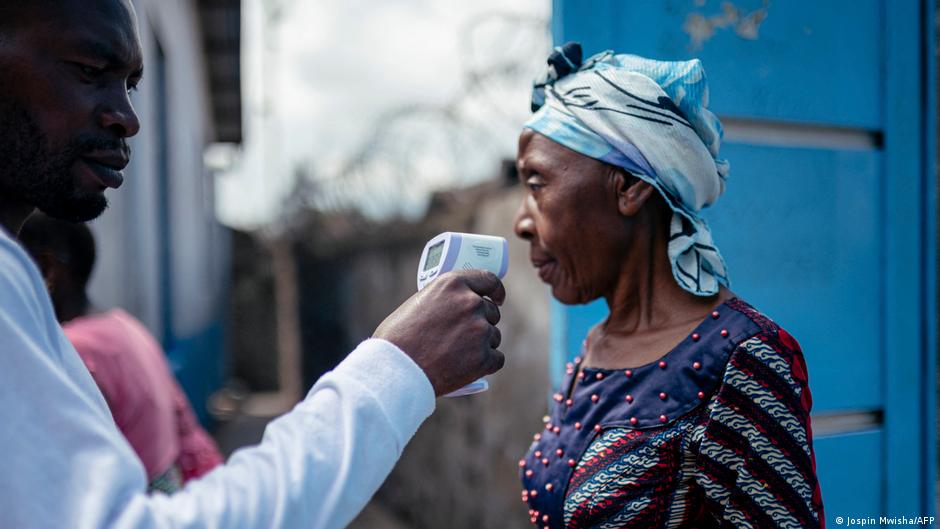
For residents like Aurélien Ngouffo, an agronomist living in Yaoundé, the stakes could not be higher. “How do we stop cross-border movement? It’s almost impossible to control. We’re left praying for divine intervention,” he admits. The government has scrambled to set up isolation units at major entry points, including Yaoundé-Nsimalen International Airport, where a three-bed quarantine zone now stands ready. Yet authorities concede the system remains underprepared.
Health Minister Manaouda Malachie is spearheading a nationwide campaign to bolster surveillance and coordination. “Our priority is twofold: preventing Ebola’s entry and ensuring every suspected case is detected early, isolated, and managed,” he emphasizes. The call extends to all sectors—health workers, local leaders, and even transport operators—to act with urgency.
Lessons from past outbreaks
Cameroon isn’t taking chances. In 2014, it imposed a temporary border shutdown with Nigeria during West Africa’s Ebola crisis. While drastic, the move bought critical time to contain the virus. But can such measures work again when public trust in the health system is already shaky?
Cholera’s relentless grip on the Far North—where sanitation is poor and medical resources scarce—has already stretched Cameroon’s emergency response to its limit. “We don’t plan ahead; we react only when it’s too late,” Ngouffo criticizes. “If we can’t even track basic infections like cholera, how can we handle something as deadly as Ebola?”
Operational challenges ahead
The real test lies in execution. Detecting and isolating cases within hours, protecting healthcare workers on the frontlines, and tracing contacts swiftly are non-negotiable. Failure at any stage could trigger an uncontrollable outbreak.
As Cameroon stands at this critical juncture, one question looms large: Will decisive action today prevent tomorrow’s catastrophe?


 Mariama Hamani