Mariama Hamani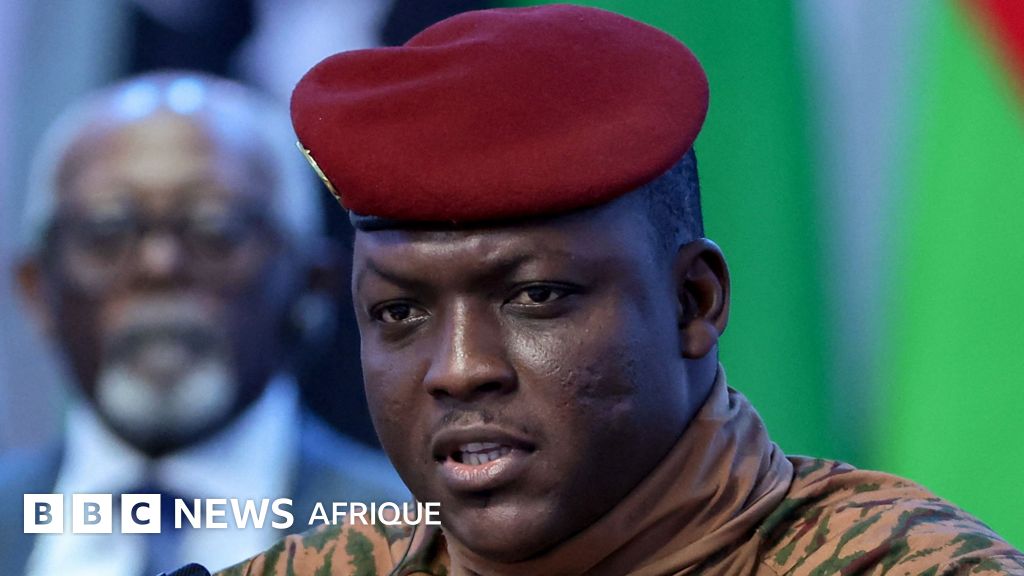
Burkina Faso’s military leader dismisses democracy as incompatible with national progress
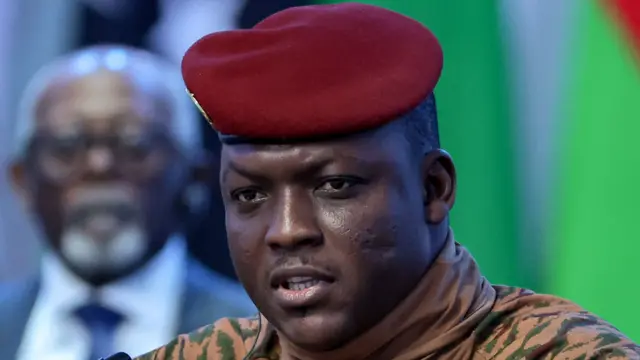
Captain Ibrahim Traoré, Burkina Faso’s military leader, has delivered a blunt message to his nation: democracy is not the path forward. Speaking during a nationally televised address, he declared that the people should “forget about democracy,” asserting it holds no value for Burkina Faso’s development.
The 38-year-old leader, who seized power in a 2022 coup, framed his rejection of democracy within a broader critique of Western political models. “Democracy is not for us,” he stated. “Everywhere the West tries to impose democracy, it leads only to bloodshed.” His comments echo a growing sentiment among West African military rulers who claim traditional governance systems fail to address African realities.
The captain pointed to Libya as a cautionary tale, highlighting how Western intervention following the fall of Muammar Gaddafi plunged the nation into prolonged instability. Since Gaddafi’s overthrow in 2011, Libya has remained fractured between rival administrations and armed factions, with elections perpetually delayed and violence endemic.
Traoré’s remarks come as his transitional government extends its rule, having postponed promised elections from July 2024 to an indefinite future date. In January, authorities banned all political parties, consolidating power under military control. The captain described political parties as “sources of division” that undermine Burkina Faso’s revolutionary goals, labeling traditional politicians as “liars and flatterers” who embody societal corruption.
“We are not trying to mimic anyone,” Traoré asserted. “We have our own approach—a complete departure from what exists. Our focus is on sovereignty, patriotism, and revolutionary mobilization, where traditional leaders and grassroots structures take center stage.”
His vision prioritizes economic and military self-reliance, demanding longer work hours from citizens to accelerate national progress. “Working six or eight hours a day won’t help us catch up to wealthier nations,” he argued. This emphasis on relentless labor reflects a broader strategy to rebuild Burkina Faso through sheer effort and discipline, free from foreign influence.
Since assuming leadership, Traoré has systematically suppressed dissent. Opposition figures, critical media outlets, and civil society groups face restrictions, with some opponents reportedly sent to frontline combat against Islamist militants. Despite these measures, his anti-Western rhetoric and calls for African unity have garnered significant continental support.
Burkina Faso’s pivot away from Western partnerships mirrors moves by neighboring juntas in Mali and Niger, all of which have severed military cooperation with France and turned to Russia for security assistance. Yet, the insurgency raging across the Sahel for over a decade shows no signs of abating, with violence intensifying under military rule.
A recent report by Human Rights Watch documents a grim toll since Traoré’s 2022 takeover: over 1,800 civilians killed, two-thirds attributed to state forces and allied militias, the remainder to jihadist groups. The findings underscore the human cost of Burkina Faso’s shift toward authoritarian governance amid escalating conflict.
Traoré’s uncompromising stance on democracy signals a definitive break with Burkina Faso’s constitutional past. As the nation grapples with insurgency and economic turmoil, his vision of revolutionary governance—rooted in anti-Western sentiment and militarized discipline—positions Burkina Faso at the heart of Africa’s evolving political landscape.

 Boureima Amadou