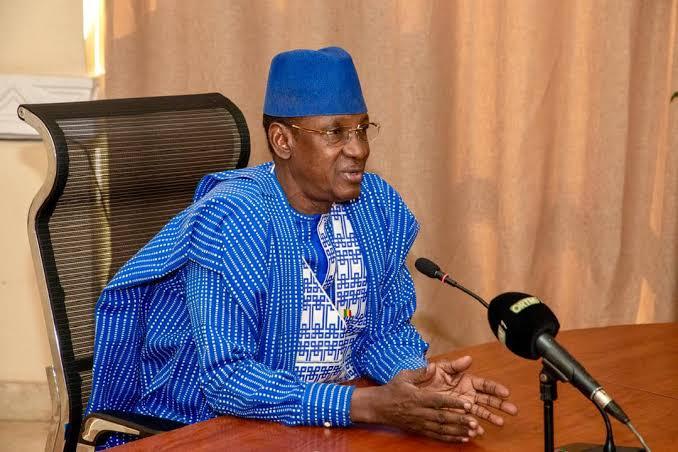
Boureima Amadou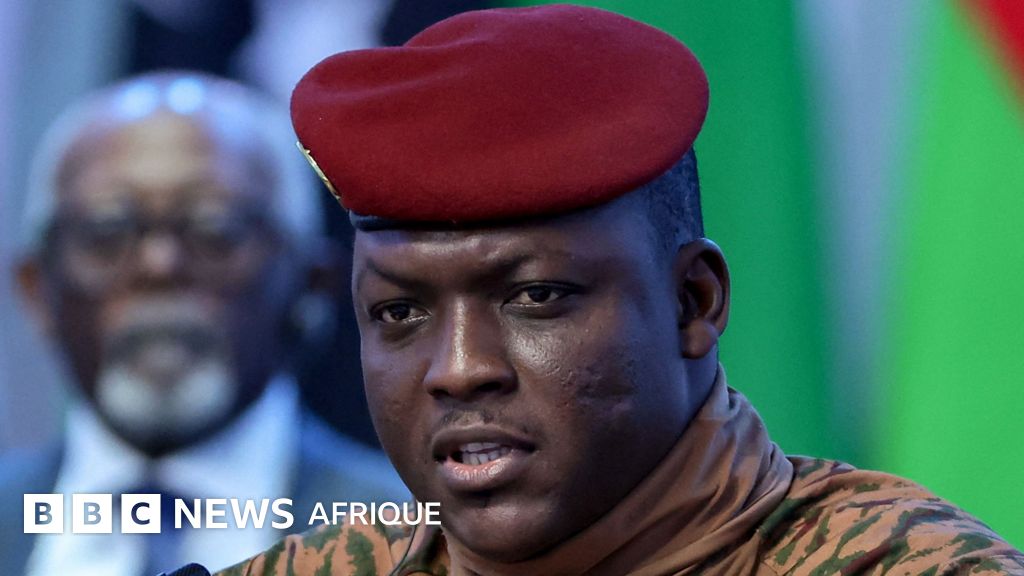
Burkina Faso’s military leader rejects democracy in favor of revolutionary governance

The military leader of Burkina Faso has declared that democracy is “not for us” and must be abandoned, in a televised interview that has sparked intense debate across the continent.
Captain Ibrahim Traoré, who seized power three years ago, argued that the Western-backed democratic model has brought only chaos and bloodshed to Africa. Speaking during the prime-time broadcast, he stated: “People must forget about democracy. It kills us. Democracy is not for us.”
Rejection of democracy and call for revolutionary governance
Traoré’s comments come as Burkina Faso faces escalating violence from Islamist militants and deepening political instability. He dismissed the idea of returning to elections, which he had initially promised to restore by July 2024, and instead announced a five-year extension of the junta’s rule.
In the interview, the 38-year-old leader cited Libya as a cautionary tale, comparing the country’s post-Gaddafi collapse to Burkina Faso’s current challenges. He emphasized his commitment to building a new system based on sovereignty, patriotism, and revolutionary mobilization, where traditional leaders and grassroots structures would play a central role.
He criticized political parties as sources of division and corruption, stating: “In Africa—at least in Burkina Faso—a real politician embodies all vices: a liar, a flatterer, a demagogue.”
Economic and military sovereignty at the core of the new vision
Traoré outlined a radical shift in governance, stressing the need for Burkina Faso to chart its own path. He condemned the influence of Western powers, claiming: “Wherever they try to impose democracy, it always ends in bloodshed.”
He called for longer working hours and greater economic productivity, arguing that Burkina Faso cannot catch up with wealthier nations with standard six- to eight-hour workdays. “We need to build a new Burkina Faso,” he declared, highlighting the importance of self-reliance in both economy and security.
Growing discontent and human rights concerns
Since taking power, Traoré’s government has suppressed dissent, targeting opposition figures, media outlets, and civil society groups. Critics accuse his administration of silencing opponents by sending them to the front lines of the war against Islamist militants.
Human rights organizations have raised alarms over escalating civilian casualties. A recent report by Human Rights Watch documented over 1,800 civilian deaths in Burkina Faso since Traoré’s rise to power in 2023. The report attributes two-thirds of these deaths to state forces and allied militias, with the remainder linked to Islamist groups.
Despite these controversies, Traoré has cultivated a strong following across Africa for his anti-Western rhetoric and panafricanist stance. His government has distanced itself from Western allies, particularly France, in the fight against Islamist insurgents, instead turning to Russia for military support—a move mirrored by neighboring Mali and Niger.
However, the violence shows no signs of abating, raising questions about the effectiveness of this new approach.