Mariama Hamani
Across Africa, voicing dissent or criticizing those in power can land you in prison—or worse. Over recent decades, many governments have shifted toward autocracy, suppressing free speech, silencing opposition, and undermining elections to the point where democratic governance feels like a distant dream.
Democracy in retreat
Out of 55 African nations, ten have descended into closed autocracies, while 26 more are classified as electoral autocracies by the Varieties of Democracy (V-Dem) Institute. This sharp reversal marks a stark contrast to the early 2000s, when democratic progress gave rise to hope across the continent.
According to V-Dem’s 2026 global democracy report, the current state of democracy has regressed to levels not seen since 1978, with most gains made during the “third wave of democratization”—sparked by Portugal’s 1974 Carnation Revolution—now nearly wiped out.
The institute warns of three alarming trends: a decline in established democracies, the collapse of hard-won democratic systems in countries that transitioned successfully in the late 20th and early 21st centuries, and the strengthening of autocracy in already authoritarian states.
By the end of 2025, the world counted 92 autocracies compared to 87 democracies, with 74% of the global population—over six billion people—living under autocratic rule. Hard-won democratic freedoms across Africa have eroded significantly over the past 25 years.
Sub-Saharan Africa: a stronghold of authoritarianism
In Sub-Saharan Africa, democracy has regressed to levels last seen at the turn of the millennium. This decline is evident in the surge of military coups in the Sahel and the entrenchment of autocratic regimes in countries like the Central African Republic, Mozambique, and Togo, according to V-Dem.
Today, 66% of Sub-Saharan Africans live under autocracy, while 48% reside in electoral autocracies such as Ethiopia, Tanzania, and Uganda. Only 10% live in electoral democracies like Botswana and Ghana, and 24% in “gray zone” democracies such as Kenya and Nigeria.
Meet the 10 most oppressive regimes in Sub-Saharan Africa
1. Eritrea
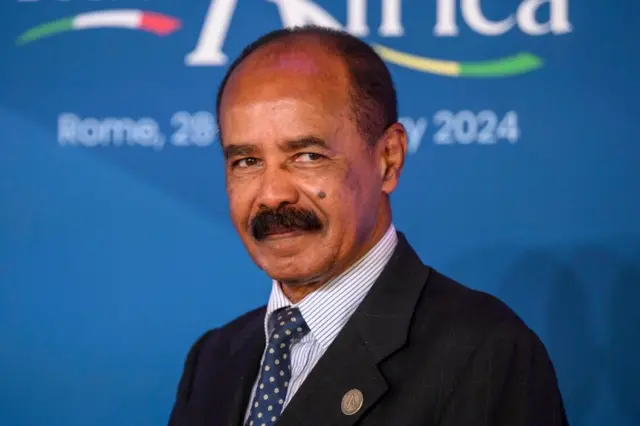
Photo: Getty Images
In the mid-1990s, Eritrea experienced a brief period of openness, with independent newspapers emerging and critical voices, even within the ruling People’s Front for Democracy and Justice (PFDJ), gaining ground. A date was set for elections, a electoral commission was being formed, and draft laws on political parties were under discussion—suggesting a path toward democratization after decades of war with Ethiopia.
But in September 2001, just as global attention turned to the 9/11 attacks in the United States, the government shut down all independent newspapers in a single day, silencing the country’s leading critics. Journalists were arrested and vanished without trace, while 11 members of the G-15 group—including former foreign ministers and military leaders—were detained. To this day, no credible information about their fate has been released.
Since then, Eritrea has become one of the continent’s most closed and oppressive regimes. President Isaias Afwerki has held power for over three decades without ever holding a presidential election.
2. Burkina Faso
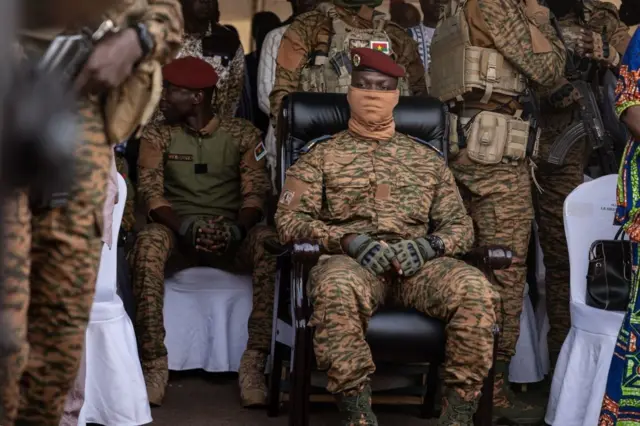
Photo: AFP via Getty Images
Since seizing power in September 2022, Burkina Faso’s military leader has made no secret of his disdain for democracy. The regime has suspended numerous international media outlets and expelled their journalists.
In October 2025, the junta dissolved the Independent National Electoral Commission (CENI), and by February 2026, it had banned all political parties. During a televised address on April 2, 2026, Captain Traoré urged Burkinabè citizens to “forget about democracy,” as parties were being dissolved.
“We’re not even talking about elections first. People need to forget about democracy. Democracy is not for us,” he declared.
The military regime, locked in a brutal fight against terrorist groups, has also resorted to abducting opponents and critics, sometimes forcing them into combat alongside the army despite their civilian status.
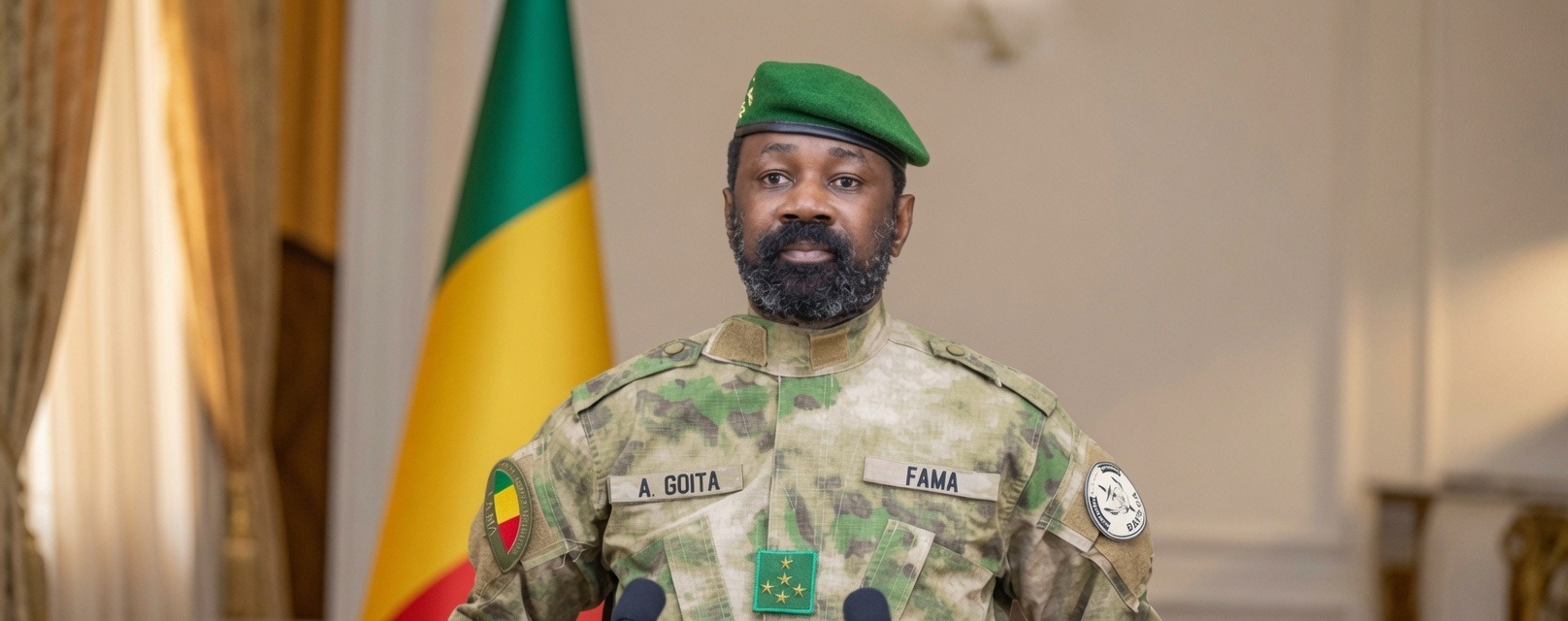
3. Mali: back to square one
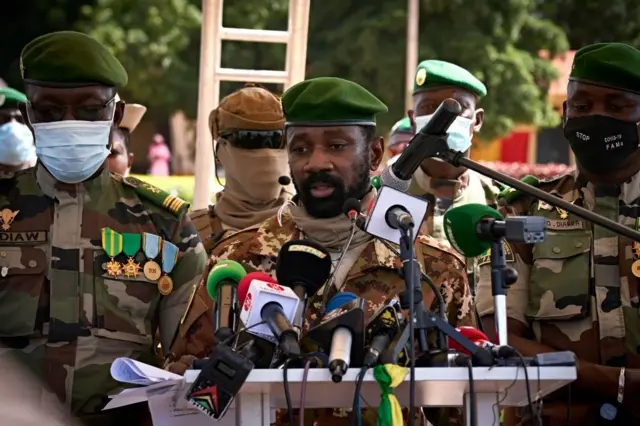
Photo: MICHELE CATTANI/AFP via Getty Images
On March 26, 1991, a popular uprising ended the dictatorship of General Moussa Traoré. A young army officer, Amadou Toumani Touré, took power with a promise to steer the country toward democracy. After a transitional period, Mali held pluralistic elections that brought Alpha Oumar Konaré to the presidency—launching an era of democratic governance long held as a model in West Africa.
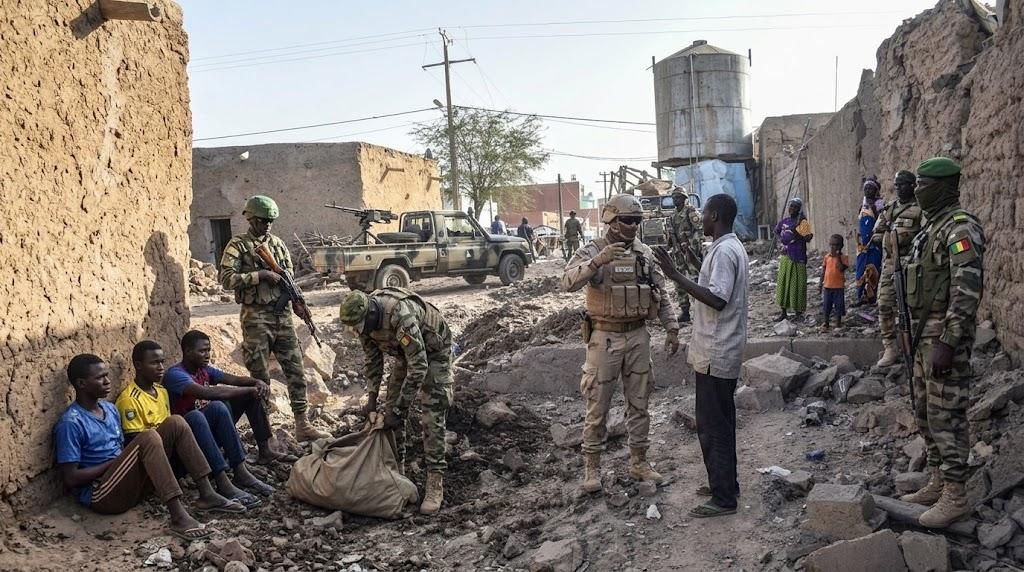
But three decades later, the country has come full circle. Since 2020, two successive military coups have derailed the democratic process. Civic and political space has shrunk dramatically. Political parties have been dissolved, civil society organizations severely restricted, and political leaders, journalists, and activists have been arrested or forced into exile.
The military regime, initially pledging a four-year transition, has clung to power without setting a clear timeline for restoring constitutional order. Engaged in a war against jihadist groups, it has increasingly abandoned democratic commitments.
4. Niger: a major step backward
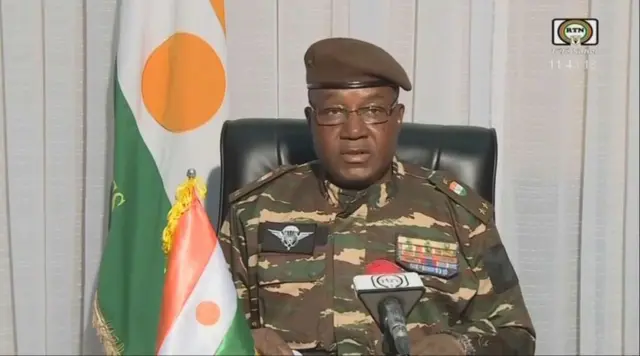
Photo: ORTN – Télé Sahel/AFP via Getty Images
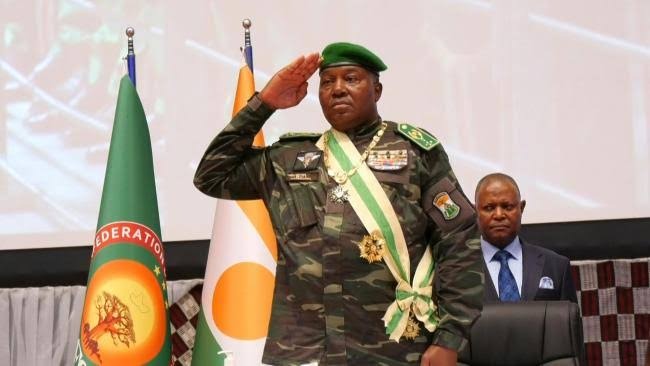
Like its neighbors, Niger has seen its democratic institutions crumble. In the 1990s, the country transitioned from a single-party regime to a more open political system with multiparty recognition. From the early 2000s, civilian governments—including that of President Mahamadou Issoufou, elected in 2011 and re-elected in 2016—took turns at the helm.
But in 2023, a military coup overthrew Issoufou’s successor, President Mohamed Bazoum. The new junta has since banned political parties, indefinitely postponed elections, and delayed the transition to civilian rule. It has also tightened its grip on the political apparatus and stifled free expression.
5. South Sudan
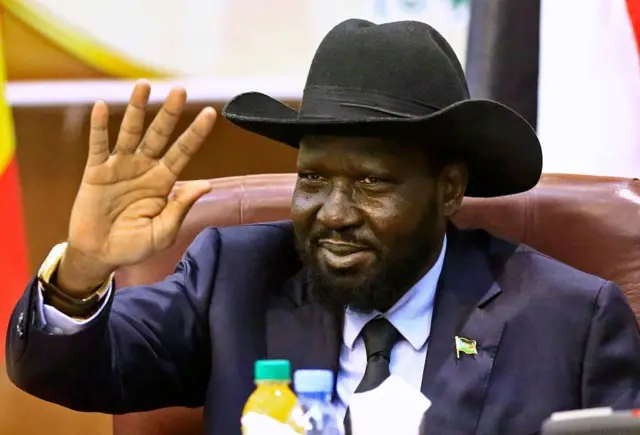
Photo: ASHRAF SHAZLY / AFP via Getty Images
After decades of struggle for independence, South Sudan remains under the tight control of the Sudan People’s Liberation Movement (SPLM), led by President Salva Kiir. Since gaining independence in July 2011, the state apparatus has been effectively monopolized by the SPLM, leaving little room for democratic expression.
The civil war that erupted in 2013 has further entrenched power-sharing conflicts between President Kiir and his former vice president, Riek Machar. Democracy remains a foreign concept to the citizens of Africa’s youngest nation.
6. Sudan
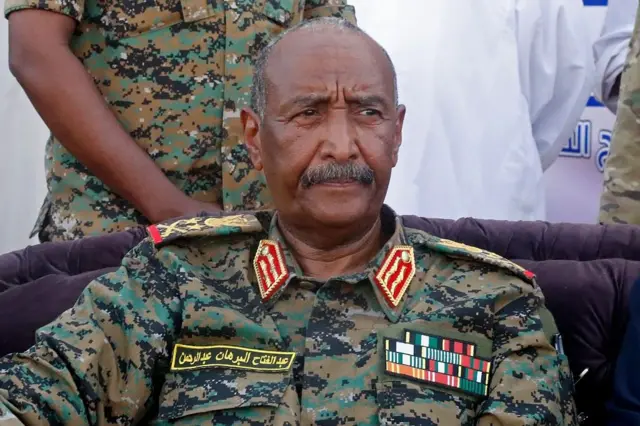
Sudan is ruled by a military regime under General Abdel Fattah al-Burhan, chair of the Sovereignty Council. The country has been devastated by a brutal civil war pitting government forces against the Rapid Support Forces (RSF), a rival paramilitary group. Human rights organizations have documented widespread massacres and atrocities committed by both sides with impunity.
7. Somalia
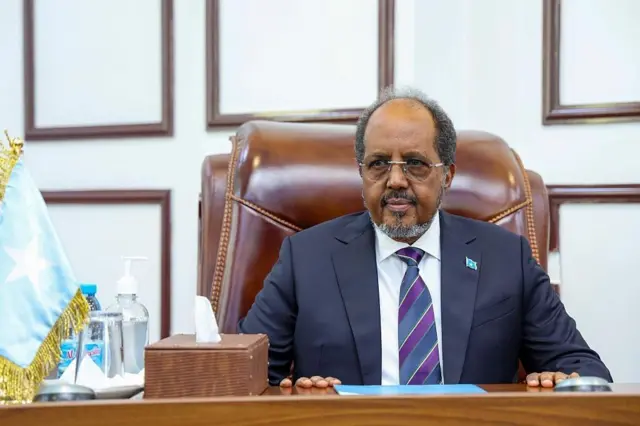
Photo: Présidence de la Somalie / Photo fournie
Since Siad Barre’s 1969 coup, Somalis have never had the chance to freely choose their leaders. Barre abolished multiparty politics, suspended the constitution, and established an autocratic regime that plunged the country into civil war during the 1990s.
In recent years, the country has attempted to break free from over half a century of democratic silence by introducing universal suffrage and organizing multiparty elections. Progress remains fragile and uncertain.
8. Republic of Guinea
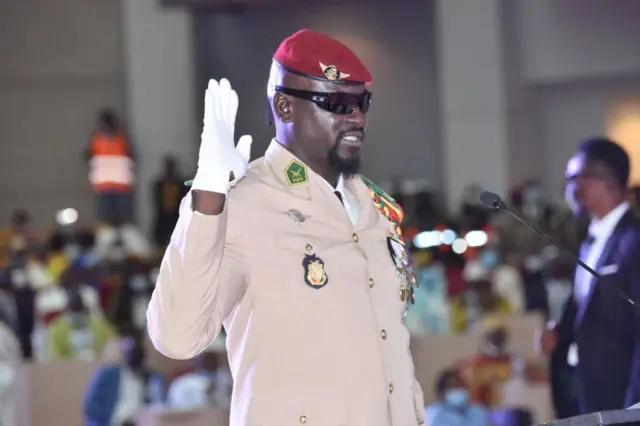
Photo: CELLOU BINANI/AFP via Getty Images
In the Republic of Guinea, despite presidential and legislative elections held in December 2025 and May 2026, the regime has grown increasingly authoritarian. Opposition leaders were barred from the December 2025 presidential race, and General Mamady Doumbouya—who seized power in a 2021 coup—claimed victory with 86.72% of the vote.
Civil society groups have condemned the regime’s authoritarian drift, pointing to the suspension of several political parties, restrictions on protests, and sanctions imposed by the High Authority of Communication on media outlets.
Arrests, disappearances, and suspicious deaths of detained public figures have further fueled concerns about the regime’s methods.
9. Eswatini
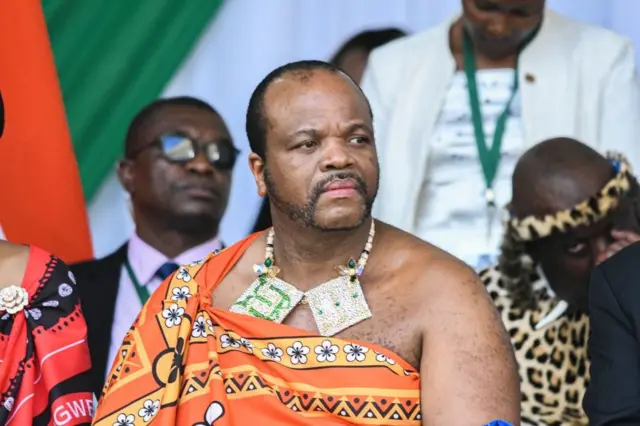
Photo: Darren Stewart/Gallo Images via Getty Images
Eswatini is Africa’s last absolute monarchy. King Mswati III holds all executive, legislative, and judicial powers, controlling the police, army, and judiciary. Since a 1973 royal decree, political parties have been banned, and the 69-member National Assembly includes 10 members directly appointed by the king.
“Elections here are not real contests between political parties. It’s a system of royalist nominations. If you participate, you cannot defend political ideas,” explained Alvit Dlamini, president of the National Land Forum, in 2018.
10. Guinea-Bissau
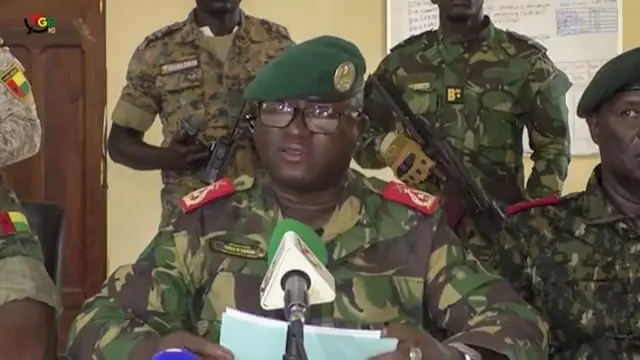
Photo: AA Video/Anadolu via Getty Images
Guinea-Bissau has long been plagued by political and institutional crises that have steadily distanced it from democratic standards seen elsewhere in Africa. In November 2025, as the country was in the midst of a closely contested presidential election and vote counting, soldiers stormed the scene and overthrew the outgoing president.
What made this coup unusual was that it was the deposed president, Umaro Sissoco Embaló, who announced his own removal to the international community. Since the coup, political opponents have faced restrictions, and concerns have grown over the protection of fundamental freedoms and the future of political pluralism in the country.
Even before this constitutional breach, Embaló’s governance style was widely criticized as authoritarian by political opponents and civil society organizations. Tensions peaked during the electoral process, complicating mediation efforts by the Economic Community of West African States (ECOWAS) to reach a consensus among major political actors and preserve stability.