Boureima Amadou
The Nigerien government has taken a decisive turn in its security strategy, channeling unprecedented resources into its defense apparatus despite mounting socio-economic pressures. But as military spending soars, one question lingers: can these massive investments translate into tangible protection for citizens and a meaningful state presence across the nation?
Record investments in defense: a gamble with no guaranteed payoff
Niger’s commitment to its security apparatus has reached historic highs. In 2024, defense and security allocations consumed a staggering 960 billion West African CFA francs—nearly 2.2% of the country’s GDP. Military expenditures alone have stabilized between $435 million and $464 million annually from 2024 to 2026, excluding funding for internal security forces.
Additional emergency measures, such as the Patriotic Safeguard Solidarity Fund (FSSP), have injected over 58.8 billion CFA francs into military acquisitions—including armed drones, armored vehicles, and aerial assets. In August 2026, an additional 58.3 billion francs were reallocated to meet urgent operational demands. While these figures underscore a rapid militarization of public finances, they raise critical questions about sustainability and real-world effectiveness.
The illusion of security: where do the billions go?
The government justifies these escalating costs under the banner of immediate action, citing the need for advanced equipment and sustained tactical operations. Yet, this relentless pursuit of financial firepower masks deeper structural weaknesses in Niger’s security strategy.
Key concerns emerge around how these funds are being utilized:
- Strategic relevance: Do heavy investments in drones and armored units address the realities of asymmetric warfare plaguing rural communities?
- Risk distribution: Is budget allocation guided by a coherent security framework, or does it default to reactive crisis management?
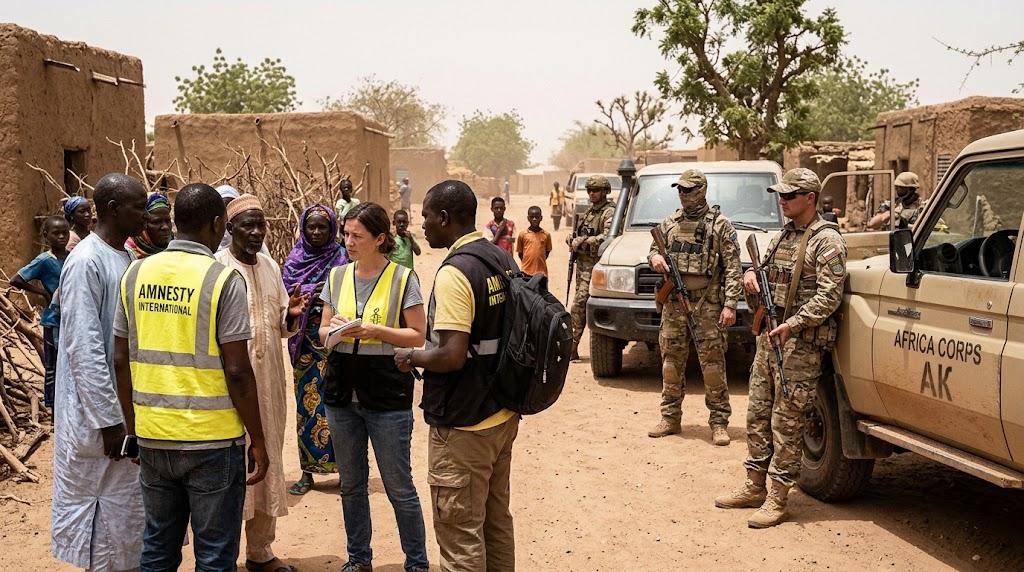
- Civilian protection: Do these expenditures restore essential state services and administrative presence in areas under criminal control?
Without transparent, regularly updated performance indicators, the tangible impact of these investments on daily security remains alarmingly unclear.
Sacrificing development for defense: a dangerous trade-off
Niger’s defense surge comes at a steep cost. As the 2025 national budget was revised downward from 3.033 trillion to 2.750 trillion CFA francs due to economic constraints, the strain on social sectors has become undeniable. While commitments to health and education remain, the military’s disproportionate share of resources is reshaping the nation’s priorities.
Yet, the absence of schools, healthcare facilities, and public infrastructure in peripheral regions fuels resentment and vulnerability—conditions that armed groups exploit for recruitment. By prioritizing guns over governance, Niger risks deepening a cycle where insecurity begets more insecurity.
Demanding accountability for taxpayer money
The lack of financial transparency threatens to turn Niger’s defense budget into a bottomless pit. While national security concerns are legitimate, they cannot justify a complete absence of oversight. Parliamentary controls, independent audits, and the publication of key budget execution aggregates should coexist with operational confidentiality.
Without these mechanisms, the public has no way to assess whether funds are being used effectively—or simply disappearing into unchecked expenditures.
From spending to results: redefining security success
The debate is no longer about how much Niger spends on its military, but what tangible outcomes these expenditures deliver. For this surge in defense investment to be sustainable and meaningful, it must be tied to clear, measurable goals: securing critical roads, reopening closed schools, and restoring state services in contested areas.
Without this shift from quantity to quality in defense spending, Niger’s socio-economic future could be jeopardized—despite the billions poured into its armed forces.