Boureima Amadou
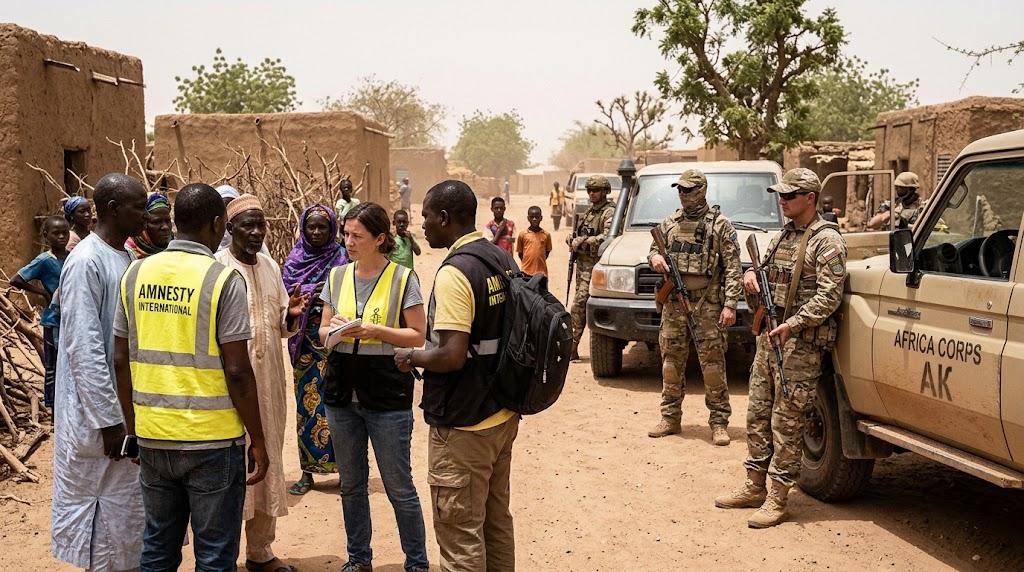
Geneva, 2026 — Mali now hosts 322,584 refugees and asylum seekers, according to the latest official figures presented at the UNHCR’s 77th Executive Committee session. The surge underscores a deepening humanitarian crisis, with over 414,000 internally displaced persons (IDPs) and nearly 433,000 Malians either repatriated or living as refugees abroad.
Mali’s displaced population reaches critical juncture
The numbers reveal a stark reality: from August to September alone, the country saw an increase of 5,396 refugees and asylum seekers. Meanwhile, internal displacement figures remained static, reflecting ongoing instability. The crisis extends beyond Mali’s borders, with neighboring Burkina Faso and Niger accounting for a significant share of the regional displacement toll.
A regional crisis spirals out of control
In central Mali’s Koro region, nearly 86,000 refugees from Burkina Faso have sought shelter, a microcosm of a larger displacement wave. Across Mali, Burkina Faso, and Niger, nearly four million people have been uprooted, with over 818,000 classified as refugees or asylum seekers. The figures highlight the interconnected nature of the crisis, where violence and forced migration transcend national boundaries.
Government commits to voluntary repatriation and legal reforms
Addressing the UNHCR committee, Malian Minister of Territorial Administration and Decentralization Issa Ousmane Coulibaly emphasized the government’s dedication to supporting refugees and facilitating voluntary returns. Key initiatives include:
- Adoption of a 2024 statelessness protection law
- Creation of a specialized national commission for statelessness issues
- Implementation of a standardized guide for statelessness claims
These measures aim to strengthen legal protections while addressing the immediate needs of displaced populations.
Security and stability remain pivotal
The Malian government’s strategy hinges on two pillars: ensuring safe returns and providing sustained support for those forced to flee. Yet, the road to recovery is fraught with challenges, from securing repatriation routes to addressing the long-term social and economic impacts on host communities. The numbers reflect a crisis that demands urgent, coordinated action.