Boureima Amadou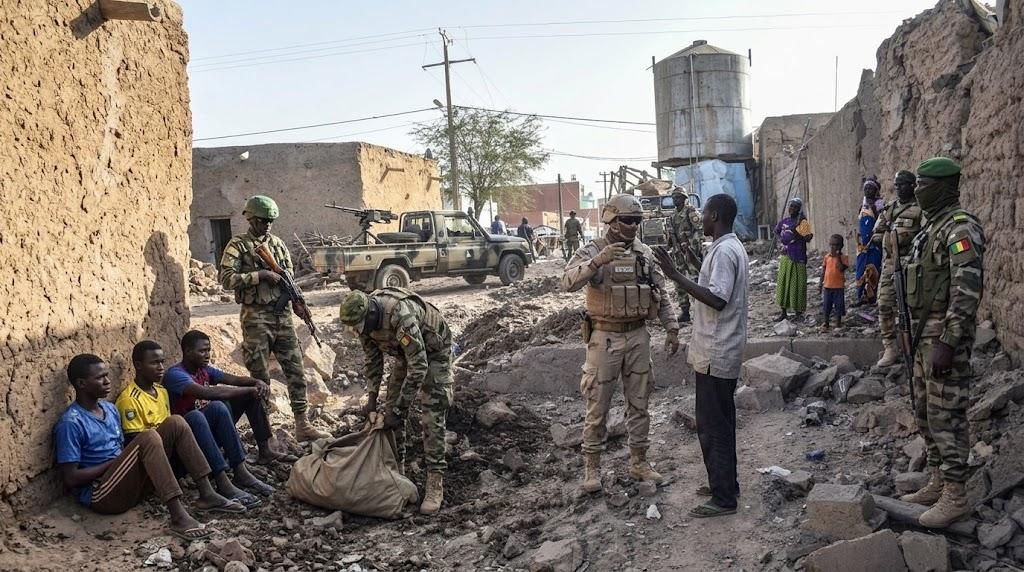
From vague admissions to mounting civilian casualties
In a move that signals a critical juncture for Mali’s military operations, authorities acknowledged on October 14, 2026, a “tragic incident” involving civilian deaths and injuries during a military operation. Yet the brief statement offered no details on location, timing, casualties, or the circumstances that led to the tragedy. This lack of transparency comes against the backdrop of escalating reports of deadly airstrikes and mounting accusations of human rights violations against both Malian forces and their Russian-backed partners.
A village shrouded in uncertainty: Zanakoro and the unanswered questions
The timing of the military’s announcement has intensified scrutiny on a series of deadly bombings reported in Zanakoro, a village in the Ségou region, just two days earlier. According to local accounts, at least eight civilians—mostly women and children—were killed when their homes were struck during what witnesses described as a sustained aerial assault. Among the victims were a pregnant woman and three young girls under the age of ten, with several others left severely injured. While military officials stopped short of confirming Zanakoro as the site of their acknowledged incident, the proximity of events has raised unavoidable concerns about a possible connection.
Witnesses recounted a harrowing scene: families returning from a baptism ceremony were caught in the barrage of explosions. Homes were damaged, and residents were forced to flee into nearby bushland and neighboring villages. The lack of an official investigation and clear communication has left grieving families in limbo, unable to verify facts or seek accountability.
Decades of documented abuse and the dangerous shift in responsibility
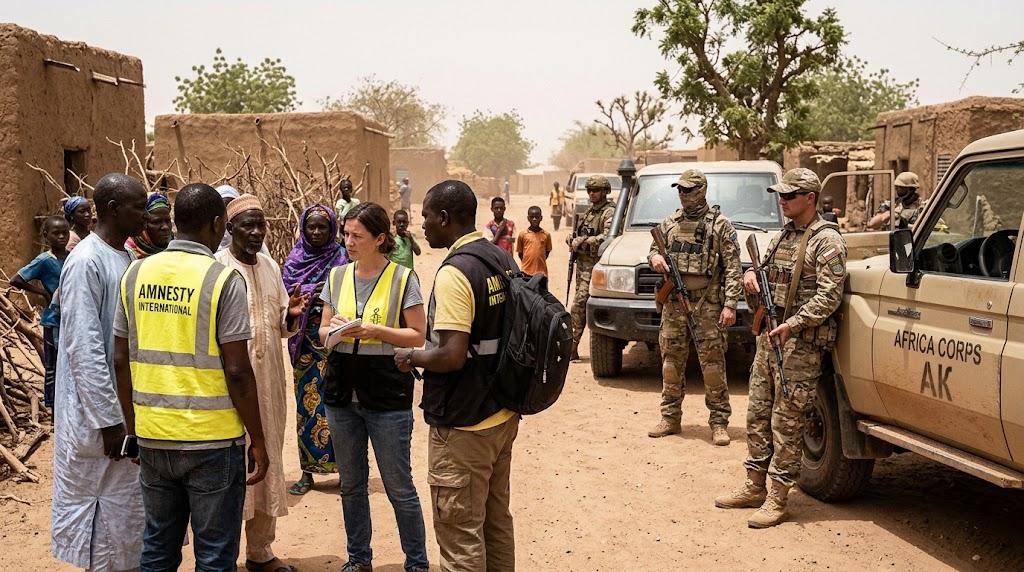
The tragic events in Zanakoro are not isolated. Over recent years, human rights organizations have documented a pattern of grave violations during joint military operations involving Malian forces and Russian mercenaries. A September 2026 report by Amnesty International outlined seven separate incidents between June 2023 and December 2025 in which at least 34 civilians were deliberately killed—some shot, others slain or burned. The report also documented allegations of torture, arbitrary detentions, forced disappearances, looting, and property destruction.
These abuses disproportionately affected Fulani, Tuareg, and Arab communities, with some individuals targeted based on unverified suspicions of supporting armed groups. The organization classified several incidents as potential war crimes and urged Malian authorities to conduct independent investigations and hold perpetrators accountable. While these findings do not definitively link to the October 14 incident, they underscore systemic failures in oversight and the urgent need for credible accountability mechanisms.
Africa Corps takes over from Wagner: a shift that changes nothing for civilians
The transition from Wagner to Africa Corps—a Russian-controlled force deployed in Mali since 2025—has done little to alleviate concerns. International observers warn that the structural continuity of these operations has failed to introduce safeguards for civilian protection. Amnesty International emphasized in its October 2026 analysis that impunity persists despite the rebranding, pointing to ongoing joint operations marred by accusations of indiscriminate violence.
The concerns are not merely hypothetical. On July 31, 2026, Human Rights Watch reported that eight civilians, including three children, were killed in an airstrike attributed to Africa Corps in the village of Kyrnia, Mopti region. Two bombs struck near a village chief’s residence and a livestock market, raising serious questions about whether the targets were military in nature. The organization highlighted the indiscriminate nature of the attack and called for an independent review—an appeal that has yet to receive a response.
The false justification: antiterrorism cannot erase civilian lives
Mali faces a severe security threat from jihadist groups such as JNIM, responsible for widespread violence, displacement, and economic disruption. The government bears a duty to protect its citizens. However, this imperative cannot justify disregard for fundamental rights. International humanitarian law demands that parties distinguish between civilians and combatants, minimize harm to non-combatants, and refrain from indiscriminate or disproportionate attacks.
When civilian casualties occur, full transparency is essential. Authorities must disclose the intended targets, the intelligence used, precautions taken, and any errors made. Without this clarity, and without credible, independent investigations, justice remains unattainable, and public trust erodes further.
What must come next: truth, justice, and a new beginning for accountability
The military’s acknowledgment of a “tragic incident” is a first step, but it is not enough. Authorities must answer critical questions: Where did it happen? When? How many were killed or injured? Were they civilians? Has an investigation been launched? Have families been informed?
The unresolved link to Zanakoro only deepens the crisis of confidence. A definitive, verifiable statement would help clarify the situation. Without it, suspicion and distrust will only grow, fueling a cycle of unanswered grief and continued impunity.
For victims and their loved ones, the stakes are not just about one tragic event—they are about justice, reparations, and the restoration of dignity. Until Mali’s military operations are accompanied by transparency, independent oversight, and accountability for violations, the shadow of unchecked violence will continue to loom over every mission—and over the lives of those caught in the crossfire.