Mariama Hamani
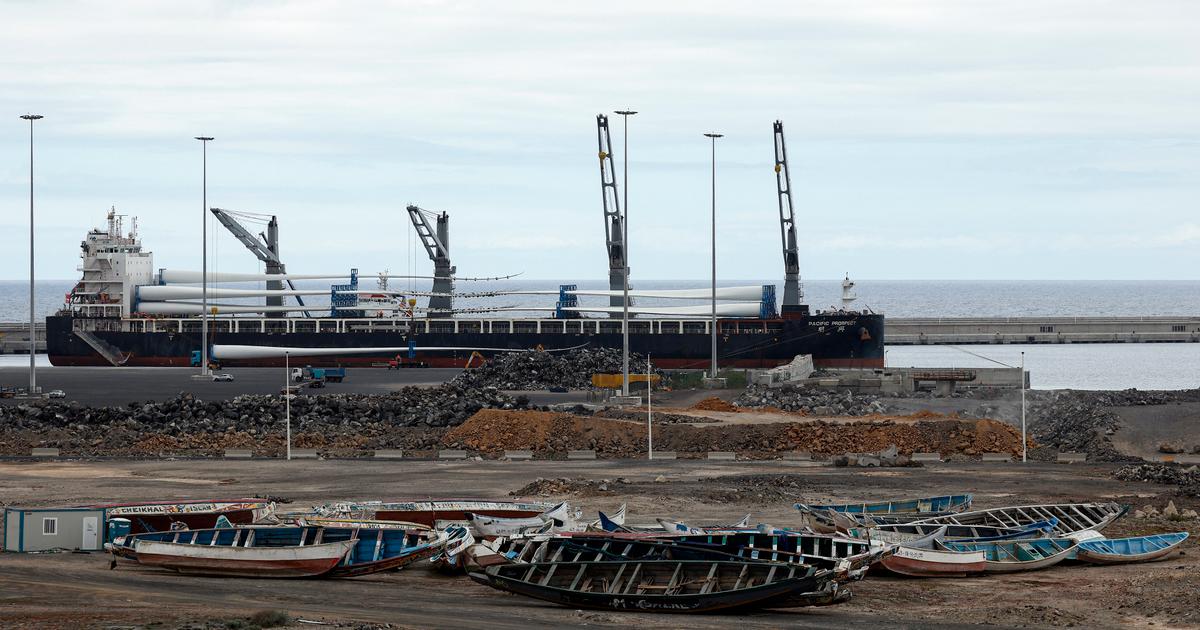
The United Nations Security Council’s decision not to renew the mandate of the United Nations Mission for the Referendum in Western Sahara (MINURSO) has marked a decisive turning point. On October 30, the termination of this decades-old mission was approved, and by November 1, the 359 civilian and military personnel were ordered to withdraw. Since 1991, MINURSO has attempted to mediate a decades-old conflict between Morocco, which controls 80% of the territory, and the Sahrawi independence movement, the Polisario Front, backed by Algeria.
The abrupt end of this mission has sent shockwaves through the region. Analysts warn that the vacuum left behind could escalate tensions, particularly for Spain, whose Canary Islands lie just 100 kilometers from the African coast. With the mission’s departure, Morocco may feel emboldened to assert control over the remaining 20% of Western Sahara, a move that could trigger a sharp response from Algeria and potentially ignite a broader armed conflict.
Europe on high alert as migration fears rise
The withdrawal of MINURSO comes at a time when Spain is already struggling to manage a migration surge, with over 46,000 arrivals on the Canary Islands in 2024 alone. Analysts warn that Morocco could weaponize this crisis, using migration flows as leverage to pressure Spain into ceding control of Western Sahara’s airspace, currently managed from Las Palmas. The stakes are high: any escalation could destabilize not just the Iberian Peninsula but the entire European Union.
A regional domino effect with global implications
Experts highlight three critical areas of concern for Europe. First, migration management—already a contentious issue—could become even more complex. Second, regional energy supplies, particularly those traversing the Strait of Gibraltar, may face disruptions. Third, economic integration efforts across North Africa and Southern Europe could stall, undermining long-term stability. As Ignacio Cembrero, a leading expert on Hispano-Moroccan relations, notes, “The Sahara is now entering uncharted territory.”
The timing of this withdrawal could not be worse. With geopolitical tensions already simmering between Morocco and Algeria, the collapse of MINURSO risks tipping the delicate balance into open conflict. For Europe, the stakes extend beyond humanitarian concerns—the stability of its southern flank and the integrity of its energy and migration policies hang in the balance.
What’s next for Spain and the EU?
Madrid faces an immediate dilemma: how to respond to Morocco’s potential moves without provoking a crisis. The Spanish government, which officially backed Morocco’s 2022 autonomy plan, has yet to outline its strategy. Meanwhile, the European Union is scrambling to assess the fallout, with analysts like Hugh Lovatt of the European Council on Foreign Relations warning that “the entire continent could bear the consequences.”
Can Western Sahara avoid a humanitarian and political storm?
As the dust settles, one thing is clear: the UN withdrawal has accelerated a turning point in a conflict that has simmered for half a century. The question now is whether Europe and North Africa can navigate this crisis before it spirals into a full-blown regional conflict—one that could reshape the geopolitical landscape of the Mediterranean and beyond.

 Boureima Amadou