Mariama Hamani
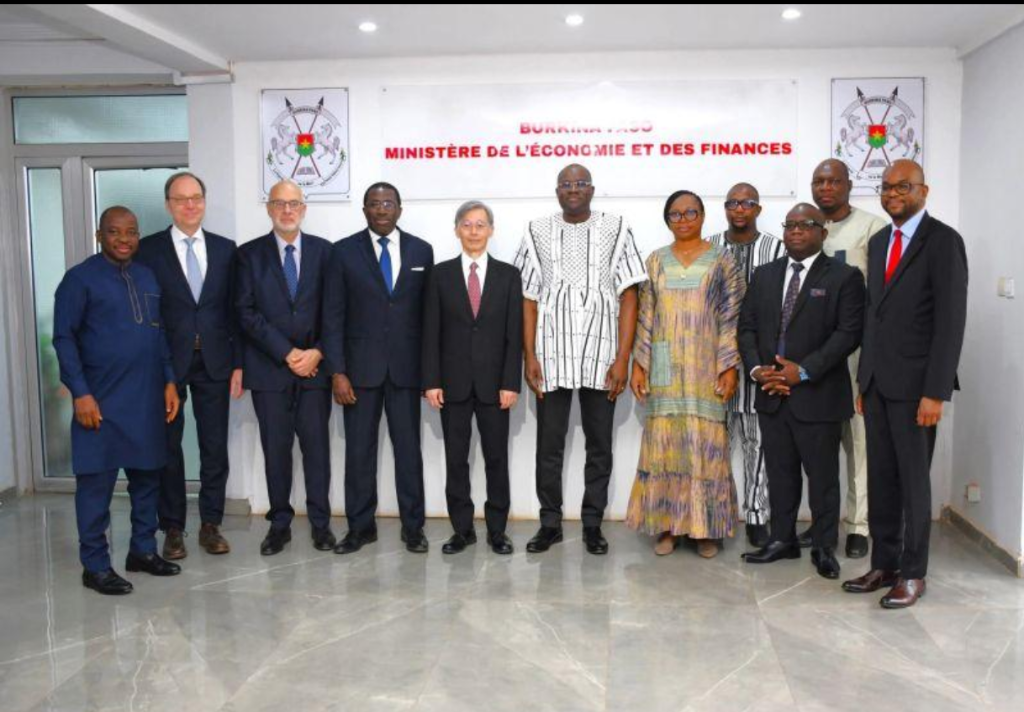
In a decisive turn of events, Burkina Faso stands at a critical juncture where the pursuit of economic independence clashes with pressing financial realities. The government’s ambitious sovereignty agenda has taken a significant step forward with a potential IMF financing package worth $87.67 million—nearly 49.6 billion West African francs—set to fuel the national economy. Yet, this breakthrough raises pressing questions about the balance between policy ambitions and financial obligations.
From political rhetoric to financial necessity
The administration of Captain Ibrahim Traoré has made economic sovereignty a cornerstone of its political narrative. Emphasizing domestic resource control, reduced reliance on traditional partners, and strengthened national financing capabilities, the government has framed sovereignty as both a strategic and ideological imperative. Yet, the practical path to achieving this vision faces a formidable challenge: securing external financing while safeguarding policy autonomy.
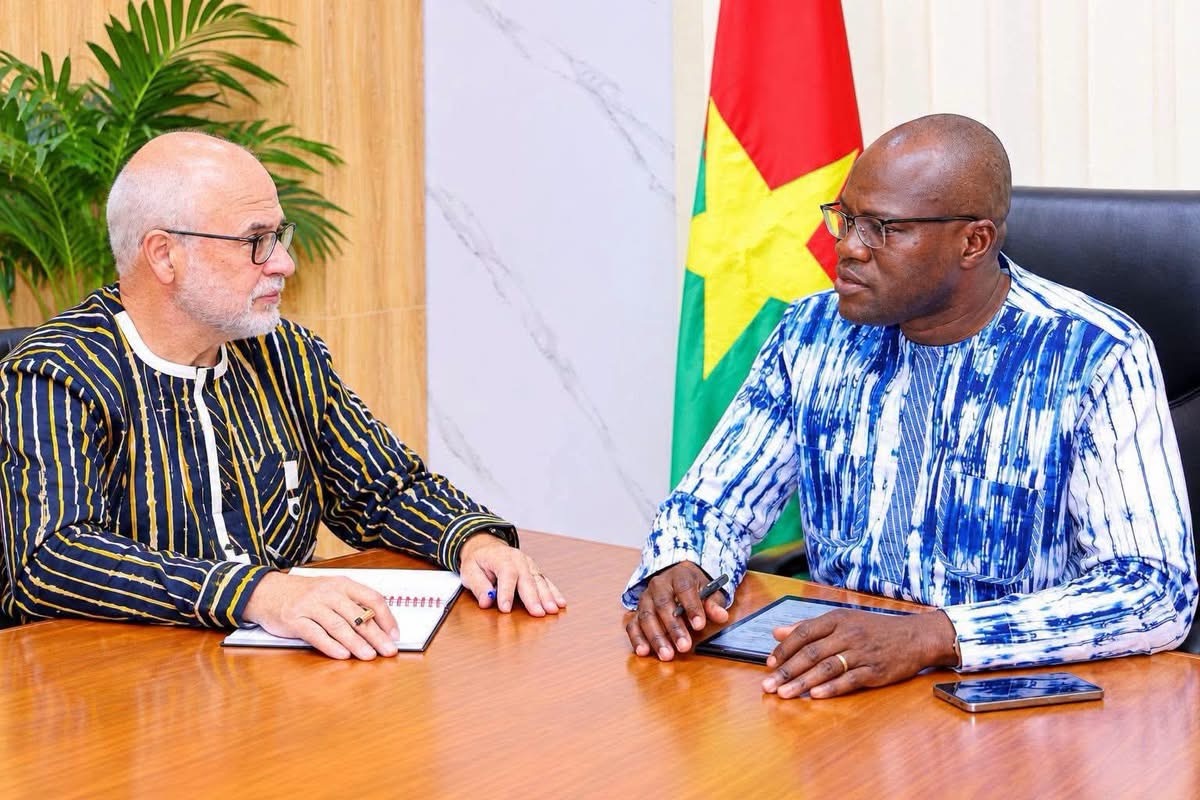
A recent technical agreement reached in Ouagadougou on November 4, 2026, marks a pivotal moment. After weeks of negotiations, the International Monetary Fund (IMF) and Burkinabe authorities finalized the sixth review under the Extended Credit Facility (ECF) and the second review under the Resilience and Sustainability Facility (RSF). The approved funding—comprising $65.38 million under the ECF and $22.29 million under the RSF—offers much-needed fiscal breathing room. However, final approval by the IMF Executive Board, expected in mid-January 2027, hinges on continued adherence to fiscal discipline and structural reforms.
The fine line between cooperation and conditionality
While the IMF’s support provides immediate financial relief, it comes with conditions that directly influence national policy. Among the key demands are tighter fiscal deficit control, enhanced tax revenue mobilization, improved public finance governance, and strengthened protection for vulnerable populations. The IMF is also pushing for convergence toward a budget deficit target of 3% of GDP—a standard set by the West African Economic and Monetary Union (WAEMU). Current projections for 2027 estimate a deficit of 3.3%, highlighting the delicate balance between fiscal consolidation and social investment.
These trade-offs underscore a broader dilemma: how can a country pursue economic sovereignty while accepting external oversight? The government faces a difficult task—demonstrating that financial support enhances, rather than undermines, national autonomy. Transparency in negotiations, clear allocation of funds, and measurable public benefits will be essential in preserving public trust and political credibility.
Gold and mineral wealth: the untapped potential of sovereignty
Burkina Faso sits on vast mineral reserves, with gold production driving economic growth and public revenue. In response, the government has initiated reforms to strengthen national control over the mining sector, including the establishment of a sovereign mineral fund. This initiative, discussed in depth during IMF talks, could lay the foundation for more autonomous financing in the future.
But natural wealth alone does not guarantee sovereignty. Effective governance, equitable revenue redistribution, and strategic reinvestment are equally crucial. The true test lies in transforming mineral wealth into sustainable development—without compromising fiscal stability or social equity.
Sovereignty in practice: beyond declarations
Economic independence cannot be achieved through rhetoric alone. It requires a robust institutional framework, responsible fiscal policy, and the ability to fund national priorities without external interference. The IMF financing, if approved, could serve as a catalyst for reform—but only if used judiciously to strengthen domestic capacities.
The coming months will reveal whether Ouagadougou can turn this financial lifeline into a stepping stone toward genuine economic autonomy. The success of this strategy will not be measured by the size of the IMF package, but by the government’s ability to demonstrate that every dollar borrowed translates into tangible progress for the people of Burkina Faso.

 Boureima Amadou