Boureima Amadou
Benin’s bold move: ratifying the AU convention to end violence against women
In a decisive shift, Benin has taken a major step forward in its battle against gender-based violence by ratifying the African Union Convention on the Elimination of Violence Against Women and Girls. The decision, approved by the Council of Ministers on November 4, 2026, under the leadership of President Romuald Wadagni, marks a turning point in the nation’s legal and social framework. This move underscores the government’s commitment to aligning with continental standards while reinforcing domestic protections for women and girls.
Why this Convention matters: a comprehensive approach to ending violence
The African Union Convention, adopted in Addis Ababa in February 2025, is a landmark legal instrument designed to address all forms of violence against women and girls. Its scope extends beyond physical and sexual abuse to include psychological, emotional, verbal, and economic violence—even in digital spaces. This inclusive approach ensures that no form of harm is overlooked, from domestic abuse to online harassment and workplace discrimination.
One of the Convention’s most significant provisions is its refusal to tolerate cultural or traditional justifications for violence. It asserts that no custom, tradition, or belief can excuse harm, placing the protection of human dignity above outdated norms. By addressing violence in private, public, professional, and digital spheres, the Convention challenges Benin and other signatories to adopt holistic, adaptable solutions that reflect modern realities.
From policy to practice: what ratification means for Benin
The next phase involves legislative approval, as the Convention is submitted to Benin’s National Assembly for ratification. This step is critical, as it will enable the country to integrate the Convention’s provisions into its national legal framework. The goal is to strengthen existing protections while closing gaps in enforcement, particularly in emerging areas like cyber violence.
Véronique Tognifodé, Benin’s Minister of Family and Social Action, highlights the urgency of this process. She emphasizes that legislative approval is just the beginning: sustained prevention efforts, victim support systems, and societal engagement are essential to drive lasting change. ‘This is not just about signing a treaty—it’s about changing mindsets and ensuring every woman and girl lives free from violence,’ she states.
Breaking the cycle: prevention and collective responsibility
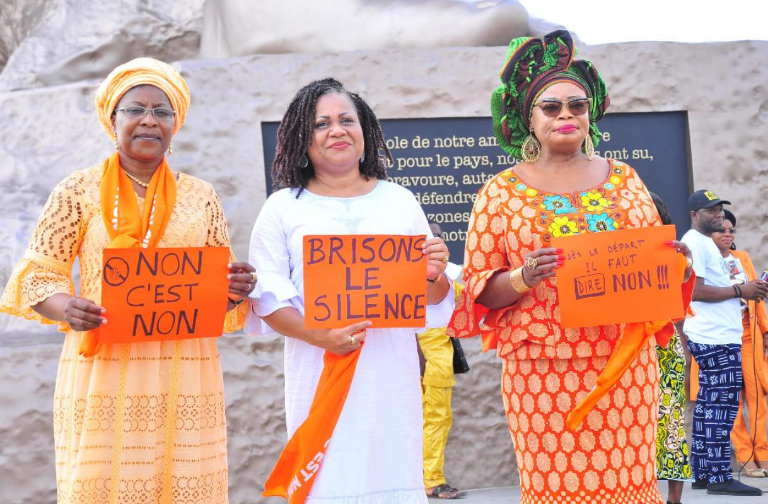
The Convention places a strong emphasis on prevention, recognizing that eradicating violence requires more than legal reforms. Public awareness campaigns, education on positive masculinity, and community involvement are key to dismantling harmful stereotypes and fostering a culture of respect. Benin’s approach aligns with global best practices, acknowledging that real progress depends on both institutional action and grassroots mobilization.
As the country prepares to observe the International Day for the Elimination of Violence Against Women on November 25, the ratification of this Convention sends a powerful message. It signals that Benin is ready to move beyond symbolic gestures and focus on measurable outcomes—protection, justice, and empowerment for all women and girls.
Looking ahead: challenges and opportunities
The path forward is not without obstacles. Implementing the Convention’s provisions will require coordination across government agencies, collaboration with civil society, and robust funding for victim services. Digital violence, in particular, demands innovative solutions to track and address online abuse effectively.
Yet, the potential benefits are immense. By ratifying this Convention, Benin joins a growing movement of African nations committed to ending gender violence. The focus now shifts to execution—ensuring that legal promises translate into tangible protections, from stronger law enforcement to accessible support services for survivors.
As Romuald Wadagni’s administration pushes forward, the message is clear: Benin is at a turning point. The fight for women’s rights is no longer just a political priority—it’s a social imperative.