Mariama Hamani
Despite institutional rupture, energy project delivers tangible results
When Mali made the decisive break from the Economic Community of West African States (ECOWAS) in 2023, many predicted a halt to collaborative regional projects. Yet, one ambitious initiative continues to gather momentum—illuminating communities across Mali long after the political rupture unfolded.
How a stalled region forged ahead with power expansion
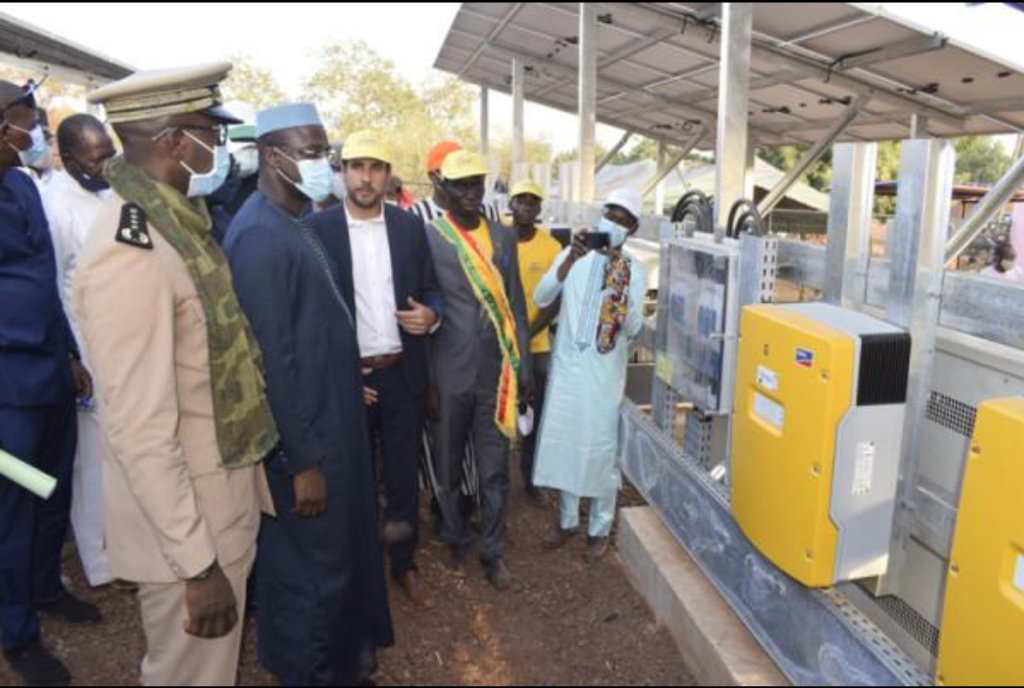
The ECOWAS Regional Electricity Access Project (ECOWAS-REAP), launched in 2019 with $225 million in World Bank funding, was designed to extend electricity access to underserved areas in Mali, The Gambia, and Guinea-Bissau. Despite Mali’s withdrawal from the regional bloc, the project remains firmly on track, connecting nearly 500,000 people to reliable electricity across 490 localities.
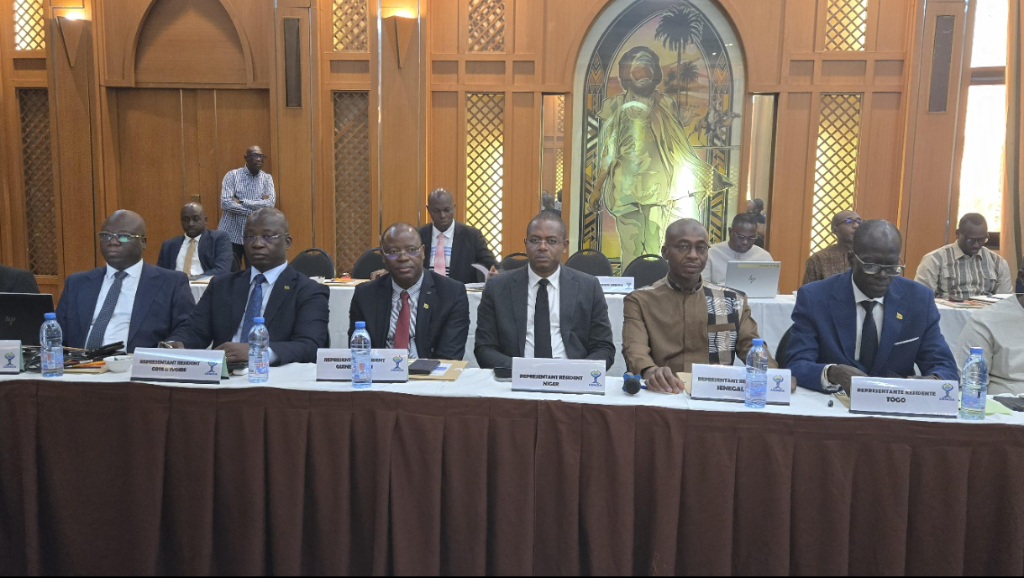
Engineers and policymakers from Mali’s national utility company, Énergie du Mali (EDM-SA), recently joined counterparts in Abuja, Nigeria, for a critical review session. Their presence underscores a surprising continuity: technical cooperation persists, even as political ties fray. The meeting focused on evaluating infrastructure progress and ensuring long-term sustainability of the grid expansion.
A power grid that ignores geopolitical borders
Mali’s departure from ECOWAS was driven by rising diplomatic tensions, yet the energy project shows how infrastructure often outlasts institutional fractures. The World Bank’s funding stream continues unabated, and regional coordination remains intact—proof that development priorities can transcend political disagreements.
Ousmane Diarra, Mali’s National Director of Energy, emphasized the project’s immediate impact: “Electricity access is not a luxury—it’s the backbone of economic revival and social stability.” However, he also flagged delays caused by security challenges and contractual hurdles, requesting a 30-month extension to complete planned connections.
The silent resilience of rural electrification
In remote villages where grid expansion was once a distant dream, solar-powered mini-grids and low-voltage lines now bring light to homes, schools, and small businesses. Over 40% of the newly connected areas are in rural districts, historically neglected due to logistical and financial barriers.
Project engineers report that despite Mali’s reduced involvement in ECOWAS, local teams have maintained rigorous oversight, ensuring installations meet international standards. This grassroots persistence highlights a broader truth: once infrastructure is in place, its value often outweighs shifting political winds.
What this means for West Africa’s energy future
The Mali-ECOWAS case offers a compelling lesson: sustainable energy projects can—and do—survive political ruptures when built on solid financial and technical foundations. While diplomatic relations may fluctuate, the tangible benefits of electrification—economic growth, improved education, and reduced energy poverty—remain undeniable.
For ECOWAS, the challenge now is to formalize this pragmatic cooperation, ensuring future projects retain the same resilience. For Mali, the mission is clear: light up every household, regardless of regional alliances. And for the thousands of newly connected families, the message is simple—politics may divide, but electricity unites.

 Boureima Amadou