Boureima Amadou
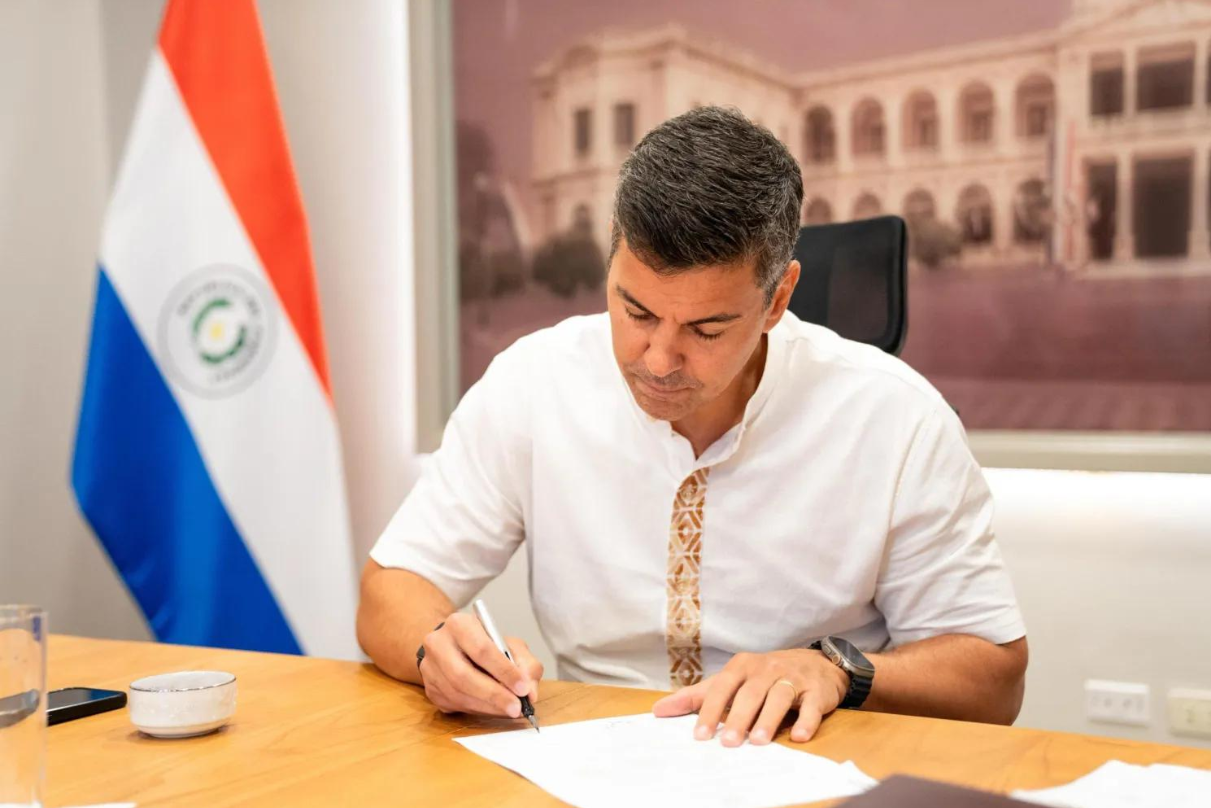
Asunción, November 2026 — President Santiago Peña has resigned, ceding power amid the explosive collapse of Ueno Bank, a spiraling financial catastrophe that has left millions of Paraguayans without access to their life savings. The president’s abrupt departure marks a historic turning point for the nation, as political leaders scramble to contain the fallout from one of the worst banking disasters in Paraguay’s history.
The breaking point: how Ueno Bank’s collapse triggered a national upheaval
Ueno Bank’s sudden collapse sent shockwaves through Paraguay’s financial system, exposing deep cracks in the country’s banking infrastructure and eroding public trust in its institutions. Once a pillar of the nation’s economy, the bank’s closure stranded nearly three million depositors without access to their accounts, pensions, or essential services.
Central Bank authorities confirmed that Ueno Bank’s solvency ratio had plummeted below regulatory thresholds, rendering it unable to meet its financial obligations. The closure triggered immediate protests in Asunción, where elderly retirees, salaried workers, and small business owners gathered to demand answers. The crisis escalated further when reports emerged that the bank had mishandled public funds, including millions tied to social security and retirement systems.
The human cost of the disaster became impossible to ignore. Families who had relied on Ueno Bank for decades found themselves locked out of their savings overnight, while pensioners faced uncertainty over their monthly income. The banking meltdown had evolved from a financial issue into a full-blown social crisis.
Shadows of conflict: Peña’s past ties to Ueno Bank fuel controversy
Santiago Peña’s resignation arrives at a moment when his previous business connections to the group behind Ueno Bank have come under intense scrutiny. The president, who sold his shares in the conglomerate in 2025, now faces accusations that his administration favored private interests over public accountability.
Opposition leaders allege that Peña’s government failed to heed early warnings about Ueno Bank’s deteriorating financial health, allowing the crisis to fester until it reached a breaking point. These allegations, combined with the broader economic fallout, have fueled demands for accountability at the highest levels of government.
The political fallout extended beyond the presidency. Carlos Carvallo, former Ueno Bank executive and head of the Central Bank, resigned amid questions about his role in overseeing the institution’s risks. His departure underscored concerns about regulatory independence and the adequacy of financial oversight in Paraguay.
Impeachment pressures push Peña toward the exit
The president’s resignation followed days of escalating political pressure, including a parliamentary impeachment process initiated by opposition lawmakers. The move gained momentum when key figures within the ruling Colorado Party withdrew their support, leaving Peña isolated in a rapidly deteriorating political environment.
On the day of his announcement, the Chamber of Deputies voted to approve impeachment proceedings just minutes after Peña declared his resignation. The Senate is now tasked with reviewing the allegations as part of the constitutional process. The crisis has transcended financial scandal, morphing into a defining test of Paraguay’s democratic institutions.
Pedro Alliana inherits a crisis: what’s next for Paraguay?
The resignation thrusts Vice President Pedro Alliana into the presidency at a time when the nation faces daunting challenges. His immediate priorities include restoring confidence in the banking system, securing the return of depositors’ funds, and preventing further financial contagion. Authorities have pledged to expedite reimbursements, while judicial investigations target key figures at Ueno Bank.
The crisis raises a critical question: How could a country long regarded as a model of economic stability and investor confidence descend into such institutional failure? The collapse of Ueno Bank has not only exposed gaps in financial regulation but also raised doubts about the integrity of the nation’s political leadership.
For Santiago Peña, the resignation closes a chapter marked by scandal and political collapse. For Paraguay, it opens a precarious chapter where rebuilding trust may prove as vital as stabilizing the economy. The consequences of this crisis could reshape the country’s political landscape for years to come.


 Mariama Hamani