
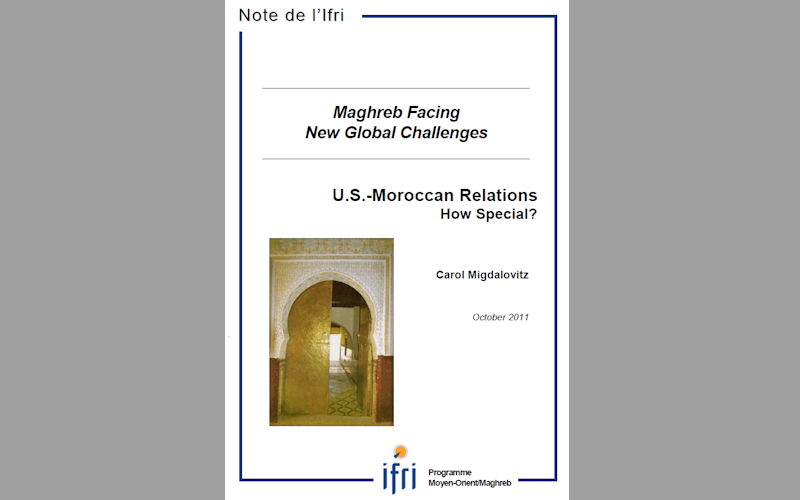
Few international alliances have endured as long or proven as resilient as the bond between Washington and Rabat. Officially christened a “special relationship”, this partnership stretches back to the 18th century, evolving through decades of shifting geopolitical tides while maintaining a steadfast foundation built on mutual strategic interests.
At the heart of this enduring connection lies a 250-year-old treaty—the Morocco-United States Treaty of Peace and Friendship, signed on June 23, 1786. Not only did it mark the first instance of any nation recognizing America’s independence, but it also established a framework for cooperation that has outlasted empires, revolutions, and global conflicts. Initially forged to protect American merchant ships from Mediterranean piracy, the agreement has since become the cornerstone of what both nations proudly call their “historic alliance.”
World War II: a defining moment in bilateral relations
While the treaty laid the groundwork, it was World War II that cemented the alliance into a strategic partnership. In November 1942, Operation Torch saw 35,000 American troops land on Morocco’s shores, marking the beginning of a military collaboration that would shape the trajectory of North Africa. The significance of this moment extended beyond battlefield victories; it also forged a personal connection between President Franklin D. Roosevelt and Sultan Mohammed V.
During the 1943 Casablanca Conference, Roosevelt reportedly pledged American support for Morocco’s post-war sovereignty—a promise that resonated deeply with Moroccan nationalists and bolstered American influence in the region, much to the dismay of European colonial powers.
Cold War alliances: from strategic bases to diplomatic friction
The dawn of Morocco’s independence in 1956 introduced a new dynamic. With the Cold War raging, Washington viewed Rabat as a critical outpost for projecting American military power. Strategic Air Command (SAC) bases were established, capable of deploying nuclear-capable aircraft toward Soviet targets. Yet, this partnership was far from smooth.
King Mohammed V, determined to assert Morocco’s sovereignty, demanded the withdrawal of foreign troops. The tension peaked in 1963 when, after intense negotiations, the last American forces left Moroccan soil—a compromise balancing Moroccan nationalism with American strategic imperatives.
Regional stability and geopolitical maneuvering
For decades, Washington has prioritized stability in its Moroccan ally. When King Hassan II faced coup attempts in 1971 and 1972, American officials viewed the crises with deep concern. Though fleeting suspicions arose about potential U.S. involvement—fueled by the use of American-supplied aircraft by the plotters—the alliance endured. Rabat, meanwhile, honed its ability to navigate the complexities of American politics, leveraging security concerns to secure military aid and development initiatives.
From counterterrorism cooperation to Peace Corps programs, the relationship evolved into a symbiotic exchange of hard and soft power. Nowhere was this more evident than in the Western Sahara, where American support for Morocco’s security posture became a linchpin of bilateral ties.
The road ahead: navigating new challenges
Today, the alliance faces fresh tests as regional dynamics shift. The aftermath of the Arab Spring and evolving security threats in the Sahel have forced both nations to reassess their priorities. Washington must now balance its historical commitment to Rabat with growing demands for democratic reforms and regional stability.
The future of this “special relationship” hinges on Washington’s ability to reconcile its long-standing strategic partnership with Morocco against the backdrop of an ever-changing Middle East and North Africa landscape. How it navigates these waters will determine whether this historic bond remains a cornerstone of regional diplomacy or fades into the annals of history.
More Stories
Dakar agrees to debt restructuring as imf paves way for $2.2 billion
Côte d’Ivoire hosts Lions Club International Governor to bolster national development
Senegal’s financial future in doubt after moody’s rating cut