
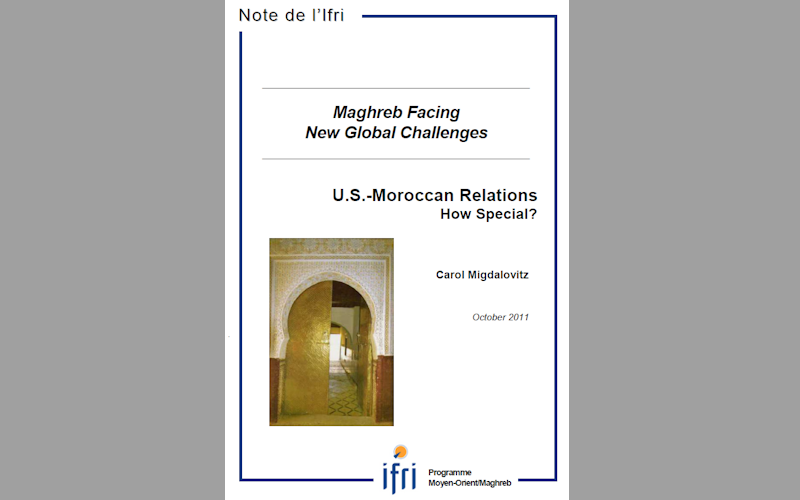
Long before modern geopolitics took shape, the United States and Morocco forged one of the oldest and most enduring alliances in American diplomacy. What began as a pragmatic agreement to protect maritime trade from North African pirates in the 18th century has grown into a complex, multifaceted partnership that has weathered wars, ideological shifts, and regional transformations.
The roots of this special relationship trace back to June 23, 1786, when Morocco became the first nation to formally recognize U.S. independence by signing a Treaty of Peace and Friendship. This historic accord, still in force today, laid the groundwork for a bond built not on sentiment alone, but on mutual strategic interests that have repeatedly been tested and redefined over centuries.
World War II: A turning point in trust
The alliance deepened dramatically during the Second World War. In November 1942, Operation Torch saw over 35,000 American troops land on Moroccan shores under the command of General Dwight D. Eisenhower. This military intervention was more than a strategic move—it marked a pivotal moment in bilateral relations.
At the Casablanca Conference in January 1943, President Franklin D. Roosevelt privately assured Sultan Mohammed V of American support for Morocco’s post-war sovereignty. Though this promise fueled resentment from some Allied leaders, particularly French General Charles de Gaulle, it cemented enduring goodwill toward the United States among Moroccans and set the stage for future collaboration.
Cold War alignments and strategic pragmatism
After Morocco regained independence in 1956, the bilateral relationship entered a new phase shaped by Cold War realities. Washington viewed Morocco as a critical outpost in North Africa, ideal for hosting Strategic Air Command bases capable of projecting nuclear deterrence toward the Soviet bloc.
Yet, Moroccan sovereignty remained a priority. King Mohammed V’s insistence on removing foreign military presence led to rising tensions. By 1963, Washington withdrew all its forces from Moroccan soil—fulfilling earlier commitments and demonstrating a willingness to adapt to shifting geopolitical winds.
Regional stability and evolving security cooperation
Through the 1970s and beyond, Morocco’s political stability became a cornerstone of U.S. regional strategy. When two attempted coups threatened King Hassan II in 1971 and 1972, Washington responded with measured support, wary of destabilization in a volatile region. Though unfounded suspicions occasionally arose—such as rumors of U.S. involvement in the 1971 coup attempt—these episodes did little to disrupt the broader alliance.
Over time, Morocco refined its diplomatic playbook, turning security needs into opportunities for deeper cooperation. From military assistance in the Western Sahara to educational and development initiatives like the Peace Corps, the partnership evolved into a blend of hard power and soft power, mutually reinforcing both nations’ global standing.
Modern challenges: balancing history and change
In today’s rapidly shifting North African landscape, the future of this historic alliance faces new questions. The Arab Spring uprisings and evolving regional dynamics have introduced fresh pressures on Washington to align its long-standing strategic ties with Morocco alongside the democratic aspirations of local populations.
The challenge ahead is clear: how can the United States preserve a legacy of cooperation that has endured for nearly 250 years, while responding to the evolving political realities of the 21st century? The answer will define not only the future of U.S.–Morocco relations, but also America’s broader influence across North Africa and the Sahel.
More Stories
Dakar agrees to debt restructuring as imf paves way for $2.2 billion
Côte d’Ivoire hosts Lions Club International Governor to bolster national development
Senegal’s financial future in doubt after moody’s rating cut