Mariama Hamani
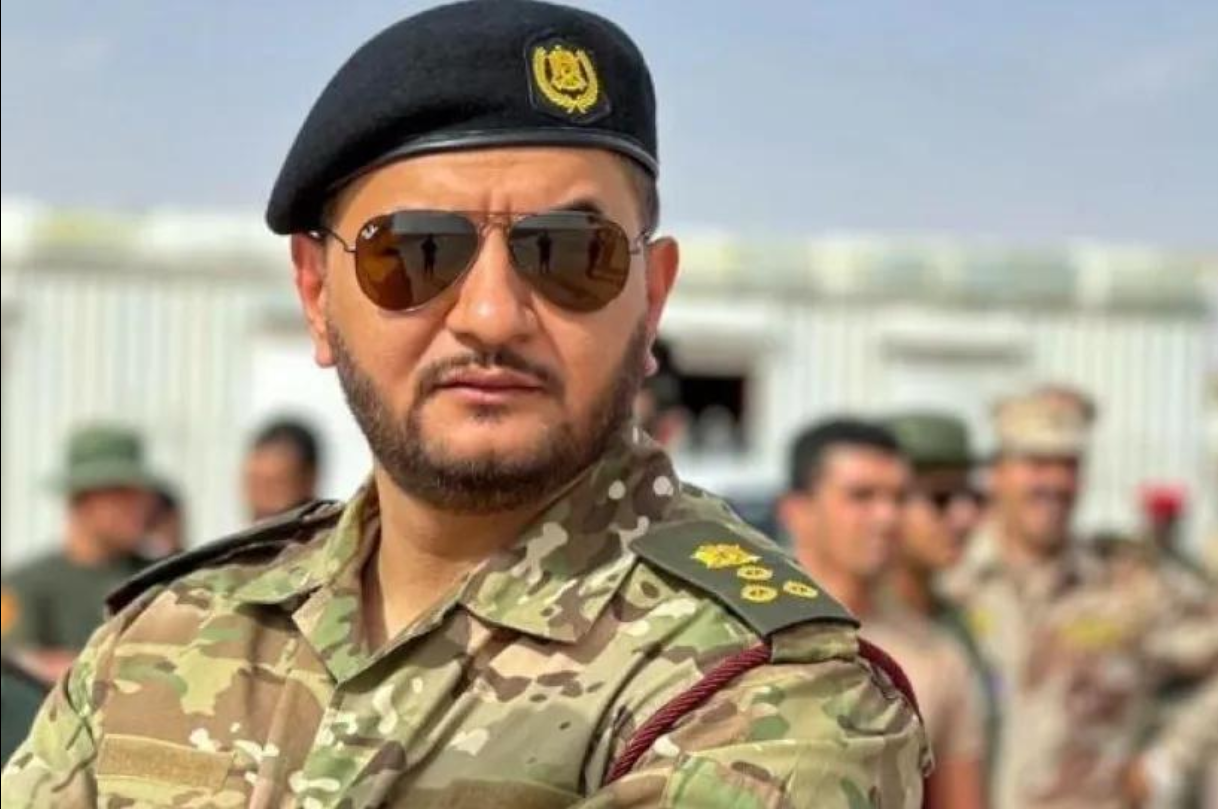
Benghazi summit heralds new era in Niger-Libya cooperation
The landmark meeting between Niger’s Prime Minister Ali Mahaman Lamine Zeine and Libya’s eastern authorities in Benghazi on November 1st marked more than just diplomatic formalities. This strategic partnership, sealed with a cooperation protocol, arrives at a critical juncture when regional power dynamics are undergoing unprecedented shifts. As Algeria enhances its military footprint in Niger, the Benghazi accord emerges as a calculated response to rebalance influences in the volatile Sahel.
Algeria’s bold military move sets stage for regional showdown
On October 25th, Algeria’s Parliament endorsed a historic decision: the deployment of National People’s Army units to Niger. This unprecedented move breaks from Algeria’s long-standing policy of non-interference abroad, justified by protecting economic interests—particularly oil investments and the Trans-Saharan gas pipeline. However, the strategic implications extend far beyond energy security, targeting control of critical corridors linking North Africa to the Sahel.
The proposed military base at Madama, close to the Libyan border, represents a potential game-changer. Its strategic location could allow Algeria to monitor armed group movements in desert regions while safeguarding its investments. Yet this development raises pressing questions: How will Algeria’s expanding presence interact with the growing influence of Libya’s Haftar clan in southern regions?
The triple-border zone emerges as Sahel’s new geopolitical chessboard
The tri-border area where Niger, Libya, and Algeria converge has become the epicenter of escalating rivalries. This territory—critical for human and goods movement—now faces intensified military and political maneuvering. The Haftar-affiliated forces’ advances in southern Libya particularly unsettle Algerian authorities, who fear losing control over vital Sahara-to-Sahel transit routes.
The presence of armed groups hostile to Niamey’s government in southern Libya adds further complexity. While exact support mechanisms remain opaque, these dynamics underscore the zone’s volatility. The Niger-Benghazi partnership could provide Libya’s eastern authorities with enhanced political and security leverage in the south, while giving Niger strategic breathing room amid internal fragilities.
Can Haftar’s Libya provide Niger’s strategic counterweight?
Libya’s eastern authorities have systematically distanced themselves from Algeria’s preferred Tripoli-based government, opting instead for independent regional alliances. The timing of Saddam Haftar’s southern Libya advances—combined with Niger’s Benghazi cooperation—suggests a calculated strategy to offset Algerian influence in the Sahel.
The Benghazi protocol’s exact contents remain undisclosed, preventing definitive judgments about its military scope. However, its very existence signals a potential shift: deeper military, security, and economic coordination between Niger and eastern Libya that could realign regional power equations.
Niamey’s high-stakes balancing act in shifting sands
For Niger, the calculus is clear: preserve sovereignty and security amidst terrorism threats, diplomatic tensions, and rival regional powers. By cultivating ties with both Algiers and Benghazi, Niamey aims to maintain strategic flexibility while avoiding exclusive dependence on any single partner.
Yet this balancing act carries substantial risks. Niger risks becoming entangled in a proxy competition where Algeria and Haftar’s Libya pursue fundamentally divergent objectives. The Benghazi summit thus crystallizes broader Sahelian geopolitical shifts, where porous borders and fluid alliances transform cooperation into a potential rivalry.
Sahel’s future hinges on Niger’s next moves
One reality stands undeniable: the Alger-Haftar rivalry has expanded beyond Libya’s borders. The Sahara’s southern fringes—particularly Niger—now represent a critical battleground for indirect confrontation. How Niamey navigates this complex environment will determine whether it can preserve its strategic autonomy or becomes a pawn in larger regional power struggles.
The Benghazi protocol may prove to be the inflection point where Niger shifts from passive observer to active shaper of Sahelian geopolitics. Whether this redirection stabilizes the region or fuels further instability remains the continent’s most pressing question.

 Boureima Amadou