Mariama Hamani
From Preventable Tragedy to Urgent Reform: The Minna Prison Disaster
In a single night, 33 detainees—including 14 children—perished in a 12 square meter cell meant for fewer than half that number. The incident in Minna, Nigeria, on September 16-17, 2026, has become a turning point in Africa’s ongoing prison crisis, forcing governments to confront the deadly consequences of overcrowding and systemic neglect.
The discovery sent shockwaves across the region. Authorities initially reported 37 deaths, but a meticulous investigation confirmed 33 fatalities, with 41 survivors enduring unimaginable conditions. The deaths were not sudden or accidental—they were the predictable result of deliberate failures in detainee care, ventilation, and basic human rights.
From Overcrowding to Asphyxiation: The Brutal Reality Inside Minna’s Cells
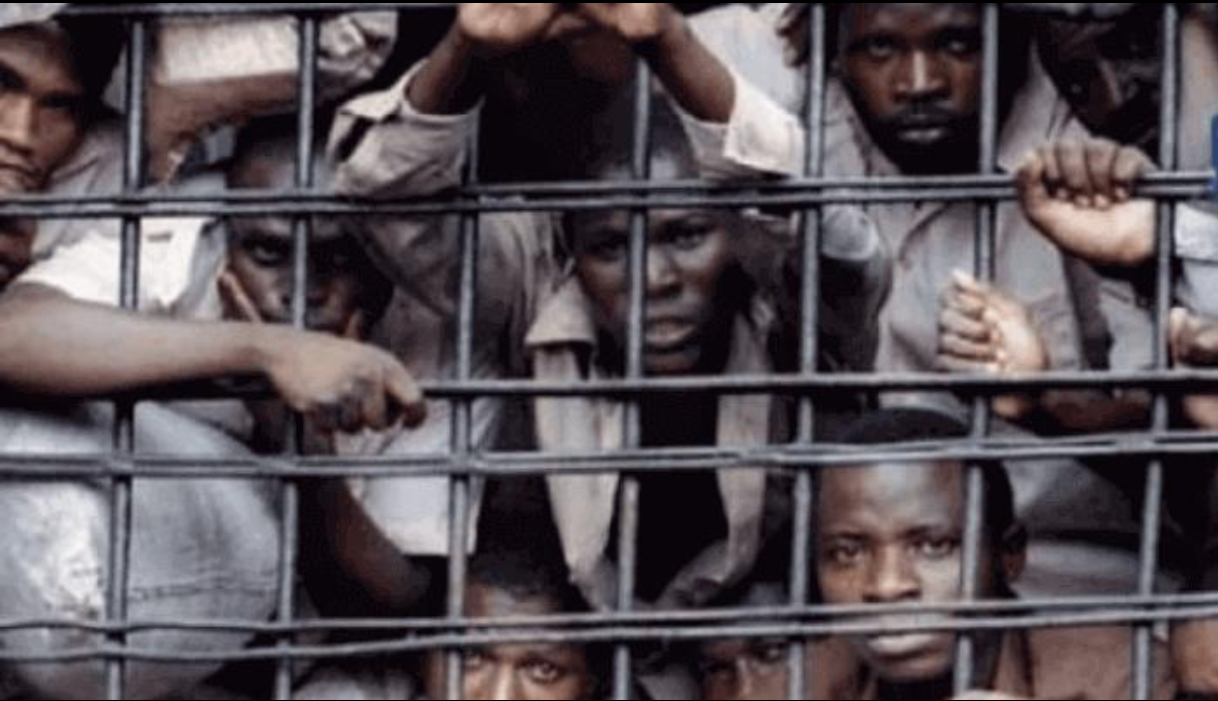
Investigators found a cell designed for 12 people crammed with 50 detainees, including minors locked alongside adults—a clear violation of international detention standards. Survivors recounted desperate attempts to survive: drinking urine to quench thirst, banging on doors for help, and gasping for air in stifling heat. The absence of potable water, functional toilets, or medical supervision transformed a detention facility into a death trap.
The commission’s report painted a harrowing picture: extreme overcrowding, poor ventilation, and unbearable heat suffocated detainees over several hours. Worse, guards allegedly ignored cries for help for prolonged periods, delaying intervention until it was too late. The inquiry concluded these deaths were entirely preventable—and the responsibility lay squarely with the system.
Beyond Minna: A Continent’s Silent Prison Emergency
Nigeria’s tragedy is not unique. According to the Prison Matters 2025 report by the UN Office on Drugs and Crime (UNODC), 90% of African countries with available data operate prisons beyond official capacity. Globally, over 60% of prison systems face similar crises. The numbers reveal a continent where justice itself is compromised by outdated infrastructure, underfunded institutions, and chronic judicial delays.
In 2023, 37% of Africa’s incarcerated population had not yet been convicted—a statistic that underscores how pre-trial detention, often used excessively, fuels overcrowding. Slow court processes, limited legal aid, and systemic delays mean people presumed innocent languish in deplorable conditions for months or years. A detention cell should never be a life sentence.
How Detention Becomes a Death Sentence
Beyond the immediate loss of life, the Minna tragedy exposed deeper failures:
- Legal irregularities: Arrests without proper procedures and prolonged detention without trial.
- Human rights violations: No separation between adults and minors, violating fundamental protections.
- Systemic neglect: Inadequate water, sanitation, and medical care turning detention into a health risk.
- Accountability gaps: Guards failing to respond to distress calls for hours.
These conditions do not reflect isolated errors—they reflect a culture of impunity in prison administration, where human dignity is secondary to institutional convenience.
From Tragedy to Transformation: What Africa Must Do Now
Thirty-three lives lost in a space where breathing became a struggle should not be in vain. Africa’s governments must act decisively to transform detention from a place of punishment into one that upholds human rights. This demands more than bricks and mortar—it requires systemic change.
Immediate Steps for Justice and Prevention
Governments must prioritize reforms grounded in human dignity:
- Speed up judicial processes: Reduce pre-trial detention through faster trials and expanded use of bail, fines, or community service for minor offenses.
- Expand legal aid: Ensure every detainee has access to counsel and fair representation.
- Enforce age separation: Children must never be detained with adults; alternative child protection measures should be implemented.
- Invest in basic infrastructure: Clean water, functional sanitation, and medical care are non-negotiable rights.
- Strengthen oversight: Independent bodies must monitor detention conditions and enforce compliance with international standards like the UN Mandela Rules.
Training for prison staff is critical—not only to manage crowds, but to treat detainees with respect. Violence, neglect, and indifference have no place in any justice system.
A Call to Action: No More Silent Deaths
The Minna tragedy is a wake-up call for Africa. Thirty-three lives—14 of them children—were lost because a cell designed for 12 became a tomb for 50. But the real question is not who failed in Minna. It is whether African governments will finally prioritize human life over institutional failure.
Justice cannot be served in a prison where the air itself suffocates. Reform must begin with accountability: sanctions for those responsible, compensation for families, and a commitment to never let another preventable tragedy occur. The time for excuses is over. The time for change is now.



 Boureima Amadou