Boureima Amadou
Unprecedented diplomatic gridlock leaves Sahara’s future hanging in the balance
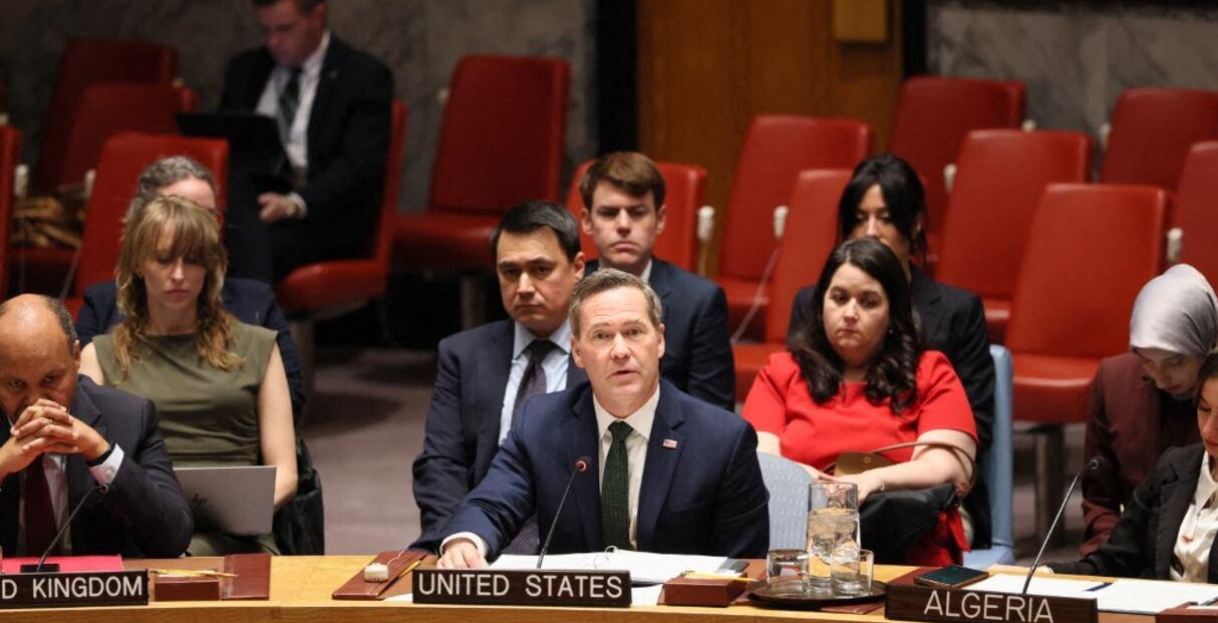
The United Nations Security Council witnessed a historic diplomatic clash on October 30, 2026, as Russia’s veto derailed both American and Russian-backed resolutions on Western Sahara. Neither proposal secured enough support, leaving the territory’s political future unresolved and the MINURSO peacekeeping mission in unprecedented uncertainty.
US proposal dismissed by Russian veto despite overwhelming support
The American draft resolution sought to fundamentally reshape the UN’s approach to Western Sahara by endorsing Morocco’s autonomy plan as the sole framework for negotiations. The proposal included renaming the MINURSO peacekeeping mission to MINUSO and eliminating the referendum reference from its mandate. With eleven Security Council members voting in favor, three abstaining (China, Pakistan, Somalia), and Russia exercising its veto power, the resolution failed to pass.
Washington’s initiative represented a strategic shift aimed at breaking the decades-long stalemate by prioritizing Morocco’s autonomy proposal over the original referendum-based framework established in 1991. The US argued this approach could finally move the stalled peace process forward, but Moscow’s veto prevented even a vote on its substance.
Russia’s counter-proposal fails to gain traction in divided council
Following the American defeat, Russia introduced a more conservative resolution designed to maintain the status quo. This proposal simply extended MINURSO’s mandate for one year without structural changes. Despite its minimalist approach, the Russian draft received only three votes (Russia, China, Somalia) and earned eleven abstentions, falling far short of the required nine affirmative votes.
The failure of both resolutions—one blocked by veto and the other by insufficient support—demonstrates the deep divisions among Security Council members regarding Western Sahara’s political future. The contrasting approaches reflect fundamental disagreements over the territory’s right to self-determination versus Morocco’s sovereignty claims.
Autonomy vs. referendum: the core dispute blocking progress
The central conflict revolves around competing visions for Western Sahara’s political settlement. Morocco’s autonomy initiative, presented as the only viable path forward, emphasizes territorial integrity under Moroccan sovereignty. Meanwhile, the Polisario Front and Sahrawi representatives demand a referendum that includes independence as a possible outcome, in line with the UN’s original 1991 settlement plan.
The American proposal would have effectively sidelined the referendum option by making autonomy under Moroccan sovereignty the exclusive negotiation framework. Russia, however, argues this approach violates the principle of self-determination enshrined in the UN Charter. The diplomatic impasse highlights how these competing principles have paralyzed international efforts to resolve a conflict that has persisted for over four decades.
MINURSO’s uncertain future threatens regional stability
With MINURSO’s mandate expiring on October 31, 2026, the Security Council’s inability to reach consensus creates immediate operational challenges. The mission’s future hangs in the balance as neither Washington’s transformative vision nor Moscow’s conservative extension gained sufficient traction.
For the Sahrawi people, this diplomatic failure represents more than just political maneuvering—it threatens the very framework established to guarantee their right to self-determination. The double rejection of both resolutions leaves the territory in legal limbo, with urgent questions about how the international community can reconnect with its original mandate of facilitating a fair and lasting solution.
What’s next for Western Sahara’s political landscape?
The October 30 deadlock marks a critical turning point in Western Sahara’s decades-long conflict. The simultaneous failure of both major proposals reveals fundamental disagreements that transcend the immediate dispute. Western Sahara now stands at a crossroads where the international community must reassess its approach to a conflict that has defied resolution for generations.
The question remains: Can the UN Security Council overcome its internal divisions to develop a new strategy that respects both Morocco’s sovereignty claims and the Sahrawi people’s right to determine their own future? The answer will shape not just Western Sahara’s political trajectory, but the credibility of the international system itself in resolving long-standing territorial disputes.
Key takeaways from the Security Council showdown
- Russian veto blocks American resolution: Despite 11 votes in favor, Russia’s veto prevented adoption of the US-backed plan that would have prioritized Morocco’s autonomy initiative.
- Russian counter-proposal fails: Moscow’s minimalist resolution extending MINURSO’s mandate received only 3 votes, demonstrating the council’s deep divisions.
- Self-determination remains the flashpoint: The dispute centers on whether Sahrawi self-determination should include independence options or be limited to autonomy under Moroccan sovereignty.
- MINURSO’s future uncertain: With the mandate expired and no new framework agreed, the peacekeeping mission’s continuity is now in question.
- Diplomatic gridlock continues: The simultaneous failure of both proposals highlights the international community’s inability to bridge fundamental disagreements on Western Sahara’s political future.


 Mariama Hamani