Boureima Amadou
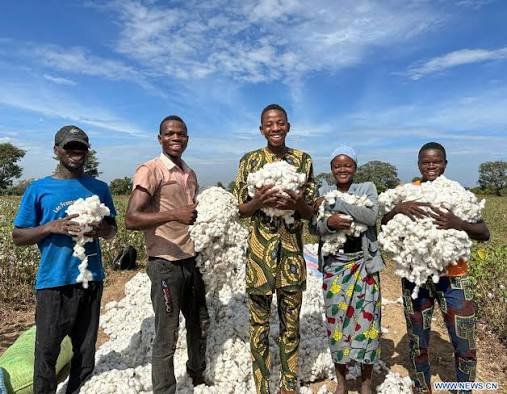
As the 2026-2027 cotton growing season approaches, Benin is rolling out a groundbreaking pilot program designed to significantly boost yields for local producers. Set to launch during the 2026 short rainy season, this initiative represents a major shift in agricultural strategy, focusing on hands-on support and precision monitoring throughout the growing cycle.
What the intensive farming pilot in Benin’s cotton belt entails
The government’s initiative targets three strategic agricultural zones—Poles 2, 3, and 4—where specialized agricultural development agencies will oversee implementation. Unlike traditional advisory programs, this pilot directly engages cotton farmers with tailored cultivation techniques and rigorous input management systems. The core objective is clear: maximize cotton output per hectare while ensuring sustainable resource use.
Field-level support: agricultural advisors in action
A network of agricultural consultants will work side-by-side with farmers, providing real-time guidance on modern cultivation practices. These experts will not only recommend improved farming methods but also help restructure agricultural operations for greater efficiency. The program emphasizes two critical components: optimizing technical pathways (from planting to harvest) and enforcing stricter input usage protocols to enhance productivity and accountability.
Digital tracking: the backbone of precision agriculture
Central to this pilot is a state-of-the-art digital platform designed to track every stage of the cotton production process. Using geolocation technology, the system maps participating plots and monitors input distribution from procurement to final harvest. This end-to-end data collection extends to weighing cotton bales, enabling precise measurement of yields and correlating outcomes with specific farming practices. The result is a transparent, data-driven approach to cotton cultivation.
From pilot to nationwide model: the strategic rollout plan
The cabinet endorsed the pilot program on September 2, 2026, setting the stage for a high-stakes test run. If successful, the model could expand to other key agricultural regions and even be adapted for other vital crops. With the president urging rapid implementation, all eyes are on the program’s performance during this trial phase, which will determine its scalability and long-term impact.
Beyond yields: sustainability and social impact
This initiative aligns with Benin’s ambitious “Green Benin 2033” vision, which prioritizes agricultural sustainability and climate resilience. The pilot integrates social protection mechanisms for farming households and aims to streamline the entire cotton value chain—from field to ginning factory. By improving logistics coordination between producers, transporters, and processing units, the project seeks to eliminate bottlenecks and ensure smoother market integration for harvested cotton.
Measuring success: what defines a breakthrough
Success hinges on multiple factors: the ability to adopt modern farming techniques, the accuracy of digital tracking systems, and the seamless flow of cotton through the supply chain. If the pilot delivers measurable improvements in yield, resource efficiency, and farmer livelihoods, it could become the blueprint for Benin’s agricultural transformation. The stakes are high, but the potential rewards—sustainable growth in cotton production and a resilient rural economy—are transformative for the country.