Mariama Hamani
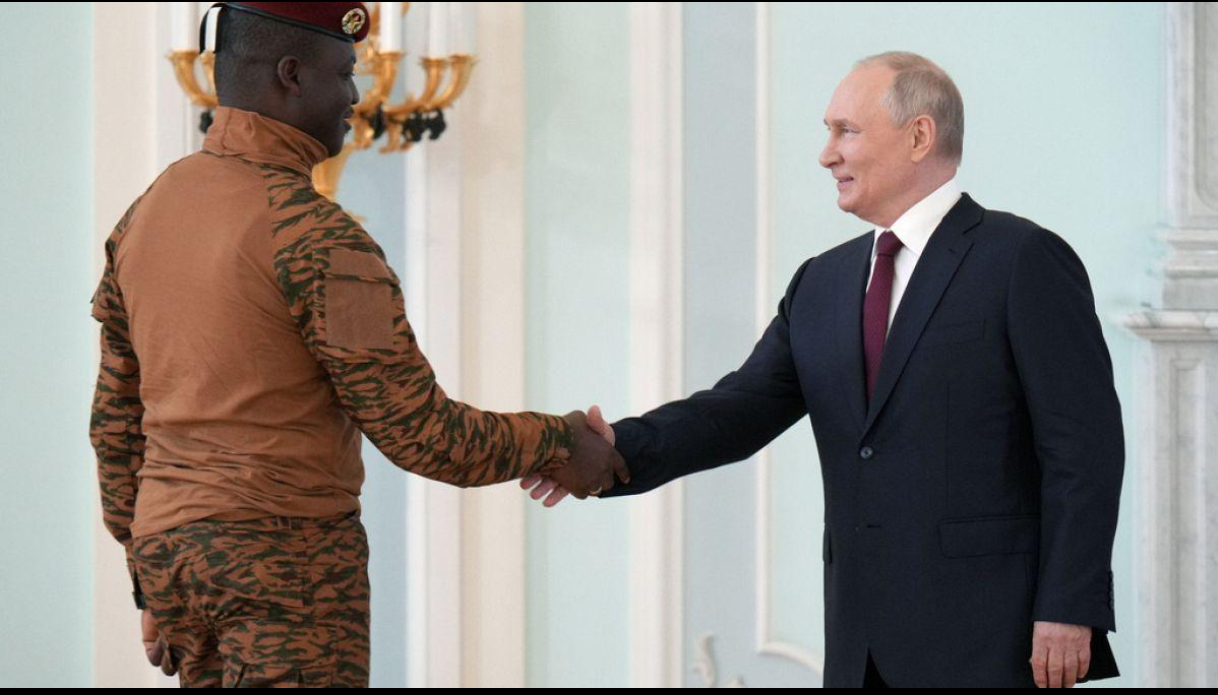
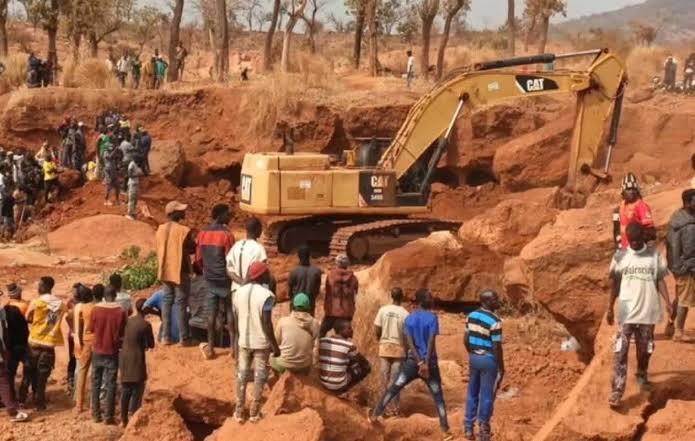
The Burkinabè gold rush has taken a decisive turn. Since Ibrahim Traoré seized power in September 2022, Ouagadougou’s strategic pivot toward Moscow has reshaped the country’s security and economic landscape. At the heart of this transformation lies a pivotal question: how are Burkina Faso’s vast gold reserves fueling—and being fueled by—its controversial alliance with Russia?
The turning point in Traoré’s security strategy
When Captain Ibrahim Traoré seized power in 2022, he inherited a nation battered by jihadist insurgencies and political instability. His response was swift: a bold pivot toward Russia, positioning Burkina Faso as a key partner in Moscow’s expanding Sahel footprint. But this realignment wasn’t just geopolitical—it was tactical. Central to Traoré’s survival strategy was the rapid professionalization of his regime’s security apparatus, a move that would soon intersect with the country’s lucrative gold sector.
By mid-2024, reports emerged of Russian paramilitary forces deployed across Ouagadougou, not merely to combat extremist threats but to fortify the corridors of power. Their presence, documented during an official ceremony, signaled a new phase in Burkina Faso’s security contract with Moscow—one where regime protection and resource extraction began to share the same equation.
Gold, guns, and Russian influence: a strategic convergence
The mine at Bissa has become the epicenter of this unfolding drama. Operated by Nordgold, a Russian-owned conglomerate, this site is more than a gold mine—it’s a microcosm of Traoré’s evolving pact with Moscow. The competition among Russian security firms vying to protect Bissa reveals deeper currents: a struggle for influence that transcends mere corporate rivalry.
One such firm, RSB-Group, found itself abruptly excluded from the security contract. In response, the company reportedly launched a counteroffensive, leveraging local allies to challenge its rivals. Among its tactics: alleging that rival security operations had provoked armed attacks on Peul villages, a claim that underscores how security contracts can become proxies for political leverage. While these accusations demand scrutiny, they illuminate a critical reality—security in Burkina Faso’s mines is no longer just about safeguarding assets; it’s about shaping the balance of power.
The economic bedrock of a contested alliance
Burkina Faso’s gold reserves are among the largest in West Africa, and their control has emerged as a linchpin of the Traoré-Moscow relationship. Nordgold’s operations in Bissa and Bouly give Russia a direct stake in the country’s stability, tying Moscow’s economic interests to the continuity of gold production.
In February 2023, Burkina Faso’s government seized 300 kilograms of gold from Bissa Gold, citing a state of public necessity. Though framed as a temporary measure, the move underscored a broader truth: gold has become a strategic asset for Traoré’s regime, one that can be mobilized for state needs—or traded for external support. Whether this exchange is formalized remains unclear, but the incentives are undeniable. For Moscow, protecting gold infrastructure means safeguarding its investments. For Traoré, it means securing a vital revenue stream and, potentially, a lifeline against domestic and external threats.
Why Moscow sees gold as more than just a commodity
Analysts at the West Point Combating Terrorism Center have highlighted a critical insight: Russia’s interest in Burkina Faso likely stems from a dual objective. First, the protection of Russian-owned mines aligns with Moscow’s broader economic ambitions in Africa. Second—and more crucially—the deployment of Russian forces serves a political purpose: shoring up Traoré’s fragile regime.
Yet even as the dots between security, power, and gold seem to align, the exact nature of the exchange remains shrouded in ambiguity. There is no public agreement linking Traoré’s protection to gold concessions. Instead, what we see is a de facto partnership, where each side offers what the other urgently needs: Moscow provides security infrastructure and political backing, while Burkina Faso offers access to its mineral wealth and a foothold in West Africa’s gold market.
The human cost behind the golden curtain
The stakes extend far beyond boardrooms and barracks. For communities near Bissa, the arrival of Russian-backed security firms has brought mixed blessings. While these entities promise to shield mines from jihadist attacks, their operations have at times exacerbated local tensions, particularly in Peul-dominated areas where accusations of heavy-handed tactics persist.
This paradox lies at the heart of the debate over Burkina Faso’s Russian security pact. Can a regime struggling for legitimacy truly balance the demands of foreign investors with the needs of its people? And as gold continues to flow from Bissa, who ultimately benefits—the Burkinabè state, Russian oligarchs, or the armed groups exploiting the chaos?
A relationship built on shifting sands
The Bissa controversy reveals a hard truth: Russia’s presence in Burkina Faso is not a monolith. Different firms pursue divergent agendas, creating a volatile landscape where loyalties are as fluid as the gold market itself. RSB-Group’s eviction, its retaliatory tactics, and the counterclaims that followed illustrate how security contracts can become instruments of political bargaining—or even destabilization.
What emerges is a partnership that is equal parts pragmatic and perilous. Traoré gains a security umbrella in a region teetering on the brink of collapse. Moscow secures economic footholds and strategic influence. But for Burkina Faso’s citizens, the long-term implications remain uncertain. Will this alliance stabilize the nation, or will it deepen the cycle of dependency and conflict?
The answer may well lie in the gold beneath the earth—and the hands that control it.

 Boureima Amadou