Mariama Hamani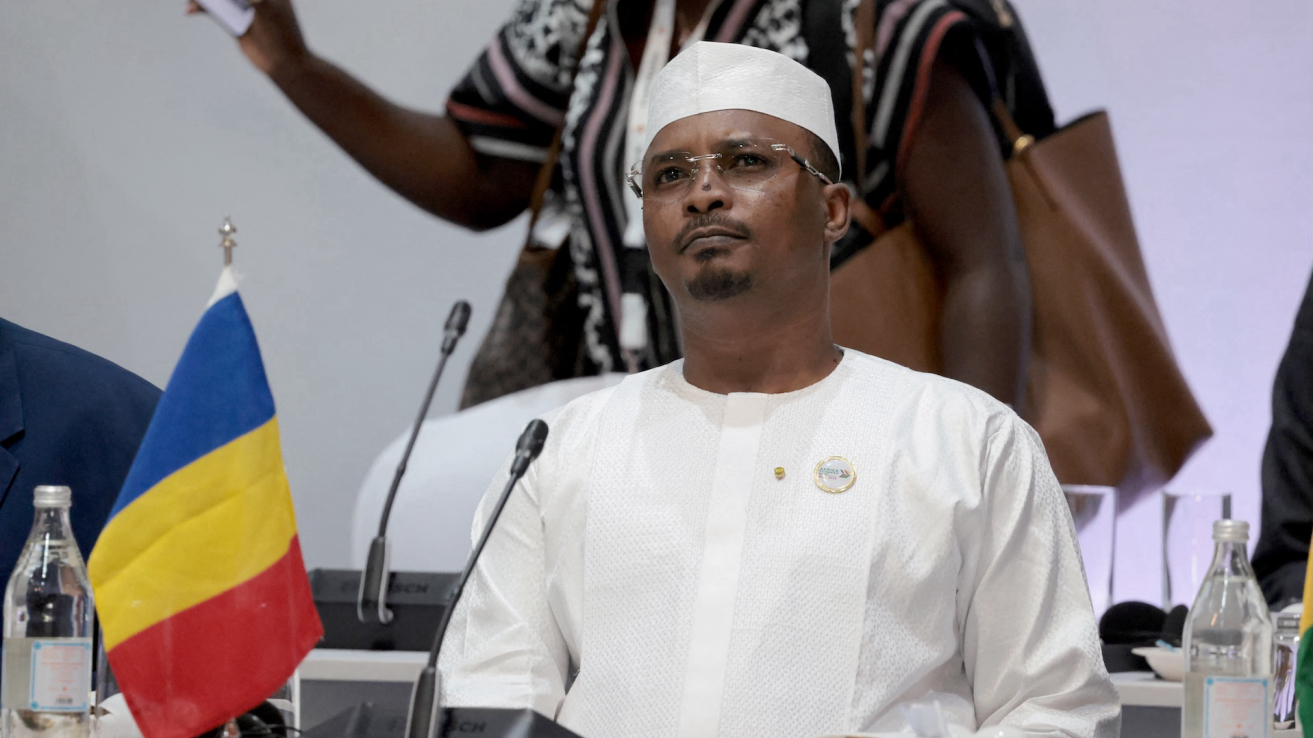
The political landscape in N’Djamena is rapidly shifting toward tighter control as authorities intensify measures against dissent. In a move that underscores the country’s accelerating slide toward authoritarian rule, eight opposition leaders were sentenced to eight years in prison for allegedly planning a demonstration against governance failures.
Judicial crackdown targets opposition alliance
The defendants belonged to the Groupe de concertation des acteurs politiques (GCAP), a coalition that had announced plans to protest poor governance on May 2. The verdict was delivered just days after the Supreme Court dissolved the GCAP entirely, stripping it of its legal status as the country’s main opposition bloc.
These actions follow the August 2025 conviction of Succès Masra, leader of the Transformers party, who was handed a 20-year sentence on charges of “inciting hatred.” With key opposition voices silenced through arrests and legal maneuvers, the ruling Mouvement patriotique du salut (MPS), led by President Mahamat Idriss Déby, now faces minimal political opposition.
Systematic suppression of dissent
Public protests have been banned for over six years, and enforcement has often turned violent. In October 2022, security forces intervened during demonstrations, resulting in approximately 200 deaths and numerous injuries and arrests. Critics argue that the judiciary is being weaponized to eliminate political rivals, citing the lack of transparent charges against the detained GCAP leaders. Their attorneys condemn the rushed trial and the baseless accusations of conspiracy, rebellion, and illegal arms possession.
Erosion of democratic norms
The GCAP’s dissolution and the imprisonment of its leaders draw alarming parallels to Chad’s authoritarian past under presidents François Tombalbaye and Hissène Habré. During their regimes, only government-aligned parties were permitted, serving as propaganda tools with total control over public discourse. Mahamat Idriss Déby’s tenure (1990–2021) saw repeated constitutional revisions to remove presidential term limits, further consolidating power.
The current administration has continued this trend. In October 2025, Parliament amended the Constitution—originally drafted through a national dialogue—to extend presidential terms to seven years, signaling a clear intent to prolong political dominance.
Cycle of instability persists
Chad’s history is marred by recurring coups and violent conflicts since gaining independence in 1960. Leaders like Tombalbaye, Habré, and former President Idriss Déby Itno all met violent ends, underscoring the nation’s entrenched instability. The latest crackdown risks deepening societal divisions, particularly among youth, who may feel disenfranchised by the suppression of political expression.
Calls for accountability and dialogue
Legal experts and civil society groups emphasize the need for proportional policing during demonstrations and judicial independence to uphold the rule of law. The recent armed assault on Transformers party members during a commemorative event—resulting in one death, two critical injuries, and the abduction and torture of the party’s treasurer—highlights the escalating risks of unchecked state force.
While international observers have reiterated the importance of respecting fundamental freedoms, regional bodies such as the African Union and the Economic Community of Central African States must take stronger stances to encourage inclusive dialogue. Without credible opposition or meaningful reforms, Chad risks reverting to a one-party system reminiscent of its darkest political eras.
Protecting civic freedoms and restoring trust in institutions will require urgent action—not just from domestic actors, but from the international community that once supported Chad’s transition back to constitutional order.


 Boureima Amadou